THE ADVENTURE COLLECTIVE® · Independent discovery and booking for outdoor travel

Cycle 30 km from Moshi into the foothills of Kilimanjaro to reach Materuni’s 150m waterfall, with a coffee farm visit and a steep, rewarding downhill return. This day trip blends culture, trail riding, and a swim beneath the falls.
Cycle 30 km from Moshi into the foothills of Kilimanjaro to reach Materuni’s 150m waterfall, with a coffee farm visit and a steep, rewarding downhill return. This day trip blends culture, trail riding, and a swim beneath the falls.
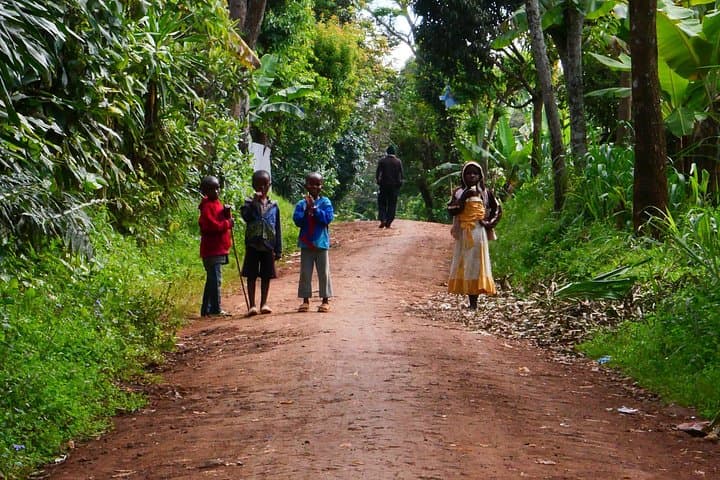
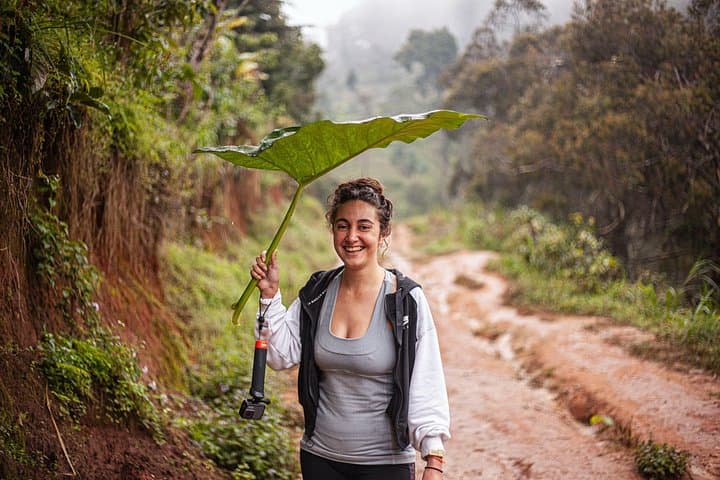
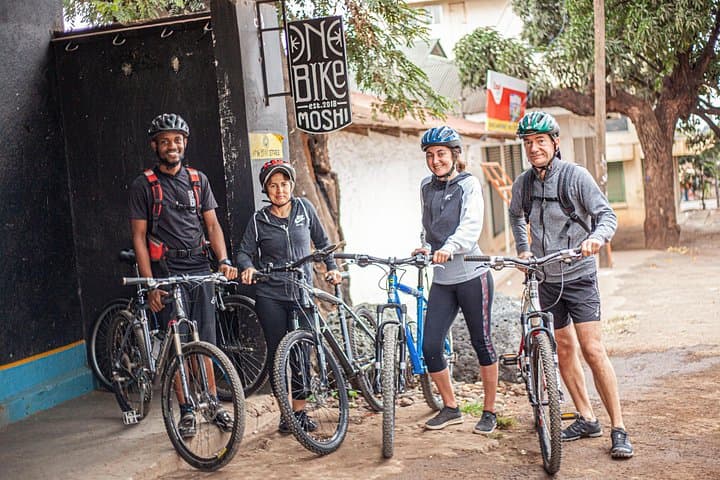
The morning air on the Kilimanjaro foothills is cool and sharp; you push off from a busy Moshi street and the city noise peels away, replaced by the creak of gears and the river of farmland beside the trail. The route climbs and drops through red dirt and packed gravel, weaving past banana stands and sunbaked coffee terraces until the forest closes in and the waterfall’s roar grows louder.
Verified experiences and guided adventures in the surrounding area.
Operated by One Bike Tanzania · Moshi, Kilimanjaro Region
The morning air on the Kilimanjaro foothills is cool and sharp; you push off from a busy Moshi street and the city noise peels away, replaced by the creak of gears and the river of farmland beside the trail. The route climbs and drops through red dirt and packed gravel, weaving past banana stands and sunbaked coffee terraces until the forest closes in and the waterfall’s roar grows louder.
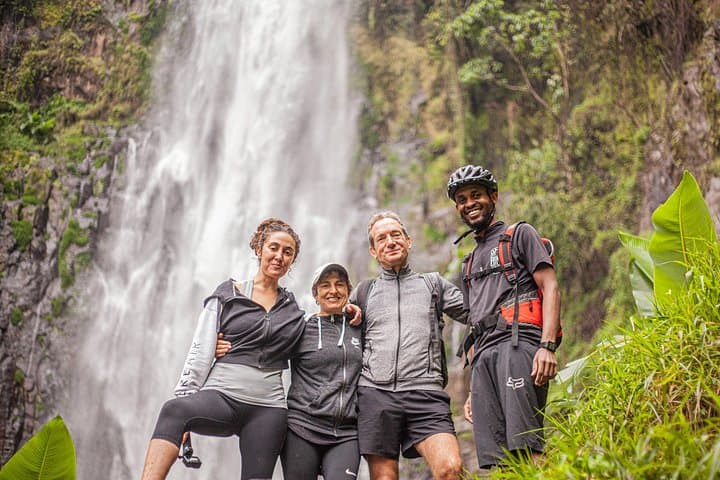
Materuni’s 150m cascade carves a ribbon through volcanic bedrock laid down by ancient eruptions from nearby peaks. The Chagga people long cultivated the slopes here — you’ll pass family farms where coffee cherries are dried on mats and children head to school. This ride pairs local culture with natural force: there’s a short coffee-processing demo in many itineraries, a chance to taste fresh brew before a one-kilometer walk to the pool at the falls where swimming is common in the warmer months.
Expect roughly 30 km of mixed terrain, with steep, rough sections and a rewarding downhill return toward Moshi. The ride is physically demanding in places; e-bikes level out steep climbs but require confident handling on loose surfaces. Bring layered clothing, a hydration system, and shoes that grip mud and wet rock. Start early to avoid mid-afternoon heat and to catch clearer views of Kilimanjaro on good days.
Practical notes: guides supply bikes, helmets, bottled water, and lunch; learn basic downhill braking before the descent; and respect village etiquette — ask before photographing homes and farmsteads.
challenging.
5–7 hours.
Suitable for riders with regular cardio fitness and off-road experience; e-bikes reduce peak exertion but handling skill is needed.
Most operators include mountain e-bikes and helmets; confirm availability at booking and request a size that fits you.
The loop is classified as challenging due to steep, rough sections over 30 km; e-bikes help with climbs but good bike-handling skills are advised.
Yes—many groups swim at the pool beneath Materuni Falls but check water conditions and follow the guide’s safety advice.
Yes, many itineraries include a short coffee-processing demo and tasting at a village farm as part of the cultural exchange.
The Chagga people have farmed the Kilimanjaro slopes for centuries, developing terraced agriculture and local coffee traditions you’ll witness on the route.
Stick to established paths to protect fragile soils and water sources; support local guides and purchases to keep tourism benefits in the community.
One Bike Tanzania operates guided outdoor trips and adventures with an emphasis on safety, stewardship, and memorable experiences.
The morning air on the Kilimanjaro foothills is cool and sharp; you push off from a busy Moshi street and the city noise peels away, replaced by the creak of gears and the river of farmland beside the trail. The route climbs and drops through red dirt and packed gravel, weaving past banana stands and sunbaked coffee terraces until the forest closes in and the waterfall’s roar grows louder.
The morning air on the Kilimanjaro foothills is cool and sharp; you push off from a busy Moshi street and the city noise peels away, replaced by the creak of gears and the river of farmland beside the trail. The route climbs and drops through red dirt and packed gravel, weaving past banana stands and sunbaked coffee terraces until the forest closes in and the waterfall’s roar grows louder.
Materuni’s 150m cascade carves a ribbon through volcanic bedrock laid down by ancient eruptions from nearby peaks. The Chagga people long cultivated the slopes here — you’ll pass family farms where coffee cherries are dried on mats and children head to school. This ride pairs local culture with natural force: there’s a short coffee-processing demo in many itineraries, a chance to taste fresh brew before a one-kilometer walk to the pool at the falls where swimming is common in the warmer months.
Expect roughly 30 km of mixed terrain, with steep, rough sections and a rewarding downhill return toward Moshi. The ride is physically demanding in places; e-bikes level out steep climbs but require confident handling on loose surfaces. Bring layered clothing, a hydration system, and shoes that grip mud and wet rock. Start early to avoid mid-afternoon heat and to catch clearer views of Kilimanjaro on good days.
Practical notes: guides supply bikes, helmets, bottled water, and lunch; learn basic downhill braking before the descent; and respect village etiquette — ask before photographing homes and farmsteads.