THE ADVENTURE COLLECTIVE® · Independent discovery and booking for outdoor travel

Short on time but hungry for nature and culture? The Materuni Waterfall & Coffee Tour from Moshi pairs a brisk forest walk to a 150m cascade with a hands-on Chagga coffee demonstration. Expect flowing irrigation channels, a refreshing pool, and a village coffee tasting.
Short on time but hungry for nature and culture? The Materuni Waterfall & Coffee Tour from Moshi pairs a brisk forest walk to a 150m cascade with a hands-on Chagga coffee demonstration. Expect flowing irrigation channels, a refreshing pool, and a village coffee tasting.
You step out of the van and the air changes—cool, damp, threaded with coffee blossom and banana leaves. A narrow footpath leads downhill, waterways chatter alongside you, and the sound of the falls grows like a promise. Materuni’s cascade, about 150 meters in total drop across tiers, fills the valley with white spray; the pool below dares you to wade in.
Verified experiences and guided adventures in the surrounding area.
Operated by Prosperity taxi services · Materuni, Kilimanjaro Region
You step out of the van and the air changes—cool, damp, threaded with coffee blossom and banana leaves. A narrow footpath leads downhill, waterways chatter alongside you, and the sound of the falls grows like a promise. Materuni’s cascade, about 150 meters in total drop across tiers, fills the valley with white spray; the pool below dares you to wade in.
The area sits on the southern foothills of Mount Kilimanjaro. Volcanic soils and a history of Chagga cultivation have shaped the landscape: terraced gardens, irrigation furrows and old stone paths where generations have moved coffee cherries from plant to roast. Geologically, rivers here trace routes cut through volcanic ash and lava flows, creating the small drops and channels you pass on the walk.
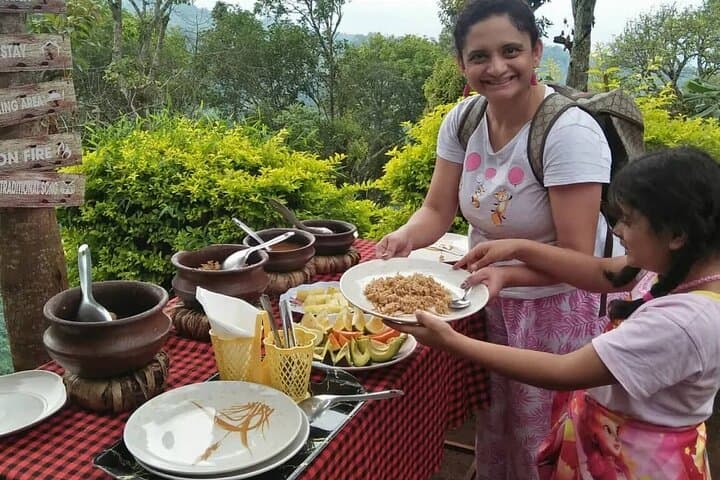
A short cultural walk through Materuni village reveals Chagga daily life—houses built from local timber and banana stalk fences, and communal drying racks for coffee. The coffee tasting that follows is rooted in that place-based farming: fruit-to-cup demonstrations show how hand-picked beans become the hot cup you sip while rain mists the tree canopy.
Practically, expect a 30–60 minute uphill and downhill walk on uneven, sometimes muddy tracks at roughly 1,300 m elevation. Bring sturdy shoes, a lightweight rain layer, swimwear for the pool, and cash for village tips. The guide-led route is accessible to most fitness levels but includes steps and narrow bridges; rain can make sections slippery. Aim for morning visits to avoid afternoon showers and to see the village activity at its liveliest.
moderate.
2–6 hours.
Suitable for walkers in average shape; involves uneven ground, short steep sections, and stairs.
The walk from Materuni village to the falls typically takes 30–60 minutes each way depending on pace and stops.
Yes—many families visit. The trail has steps and uneven ground, so supervise children and allow extra time for older walkers.
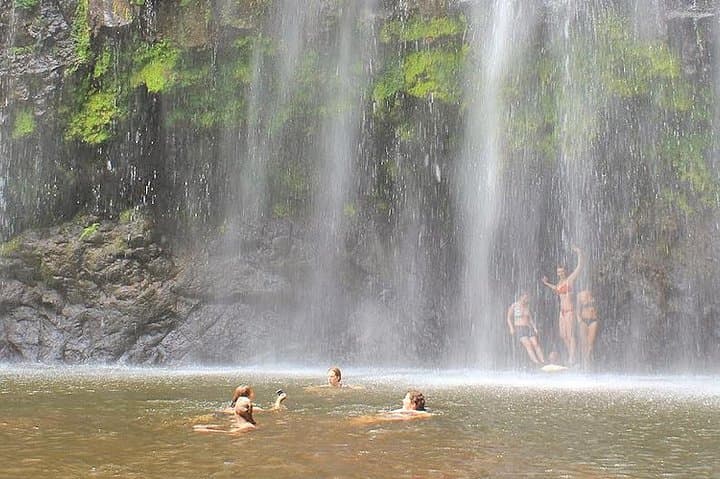
Yes, there is a pool at the base where visitors often refresh; check with your guide for safety conditions after heavy rain.
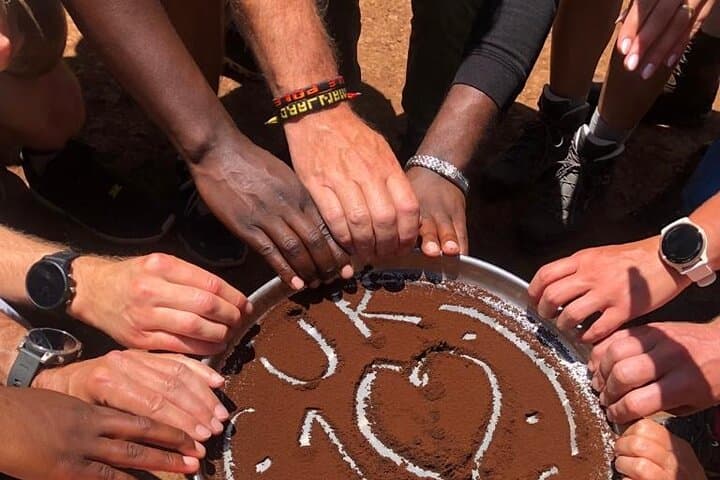
The tour covers cultivation, processing and local roasting methods, plus a tasting of traditionally prepared Chagga coffee.
The Chagga people have farmed these Kilimanjaro foothills for centuries, developing terraced agriculture and irrigation that shape the local landscape and coffee production.
Tourism is small-scale—stay on trails, avoid single-use plastics, and respect farm plots to minimize impact on water sources and soil.
Prosperity taxi services operates guided outdoor trips and adventures with an emphasis on safety, stewardship, and memorable experiences.
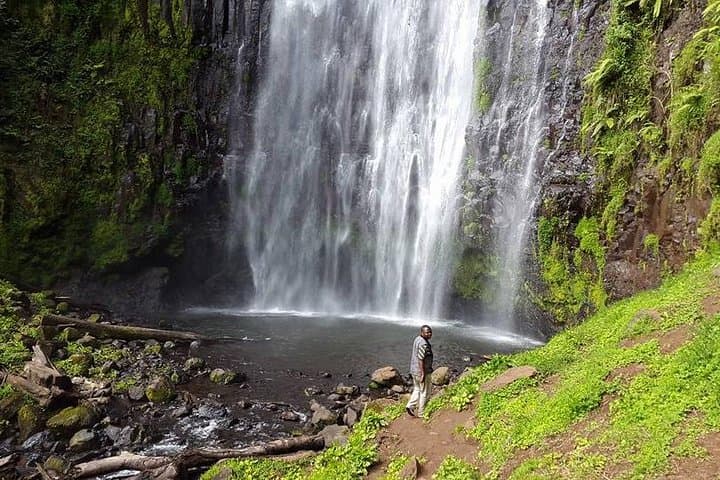
You step out of the van and the air changes—cool, damp, threaded with coffee blossom and banana leaves. A narrow footpath leads downhill, waterways chatter alongside you, and the sound of the falls grows like a promise. Materuni’s cascade, about 150 meters in total drop across tiers, fills the valley with white spray; the pool below dares you to wade in.
You step out of the van and the air changes—cool, damp, threaded with coffee blossom and banana leaves. A narrow footpath leads downhill, waterways chatter alongside you, and the sound of the falls grows like a promise. Materuni’s cascade, about 150 meters in total drop across tiers, fills the valley with white spray; the pool below dares you to wade in.
The area sits on the southern foothills of Mount Kilimanjaro. Volcanic soils and a history of Chagga cultivation have shaped the landscape: terraced gardens, irrigation furrows and old stone paths where generations have moved coffee cherries from plant to roast. Geologically, rivers here trace routes cut through volcanic ash and lava flows, creating the small drops and channels you pass on the walk.
A short cultural walk through Materuni village reveals Chagga daily life—houses built from local timber and banana stalk fences, and communal drying racks for coffee. The coffee tasting that follows is rooted in that place-based farming: fruit-to-cup demonstrations show how hand-picked beans become the hot cup you sip while rain mists the tree canopy.
Practically, expect a 30–60 minute uphill and downhill walk on uneven, sometimes muddy tracks at roughly 1,300 m elevation. Bring sturdy shoes, a lightweight rain layer, swimwear for the pool, and cash for village tips. The guide-led route is accessible to most fitness levels but includes steps and narrow bridges; rain can make sections slippery. Aim for morning visits to avoid afternoon showers and to see the village activity at its liveliest.