THE ADVENTURE COLLECTIVE® · Independent discovery and booking for outdoor travel

A single-day private tour from Moshi that pairs a 40-minute walk to Materuni Waterfall with a coffee farm visit and a restorative swim at Kikuletwa (Chemka) Hot Springs. Expect cultural insight, volcanic foothill scenery and clear swimming pools.
A single-day private tour from Moshi that pairs a 40-minute walk to Materuni Waterfall with a coffee farm visit and a restorative swim at Kikuletwa (Chemka) Hot Springs. Expect cultural insight, volcanic foothill scenery and clear swimming pools.
You step off the road where the Kilimanjaro foothills begin to tilt skyward, and a patchwork of banana terraces and coffee plots opens around a small Chagga village. The air smells of damp earth and roasted beans; a narrow path drops into cool understory where the Materuni Waterfall is heard before it is seen.
Verified experiences and guided adventures in the surrounding area.
Operated by Allday In Africa Limited · Moshi, Kilimanjaro Region
You step off the road where the Kilimanjaro foothills begin to tilt skyward, and a patchwork of banana terraces and coffee plots opens around a small Chagga village. The air smells of damp earth and roasted beans; a narrow path drops into cool understory where the Materuni Waterfall is heard before it is seen.
Materuni sits at the southern edge of the Kilimanjaro massif. The falls carve through volcanic soils laid down by ancient eruptions, and the slope agriculture you pass reflects centuries of Chagga land management—terraces, irrigation channels, and coffee gardens that helped shape the local economy. The coffee tour explains traditional processing and the role of smallholder farms, while local lunch often features stewed greens, maize, and banana.
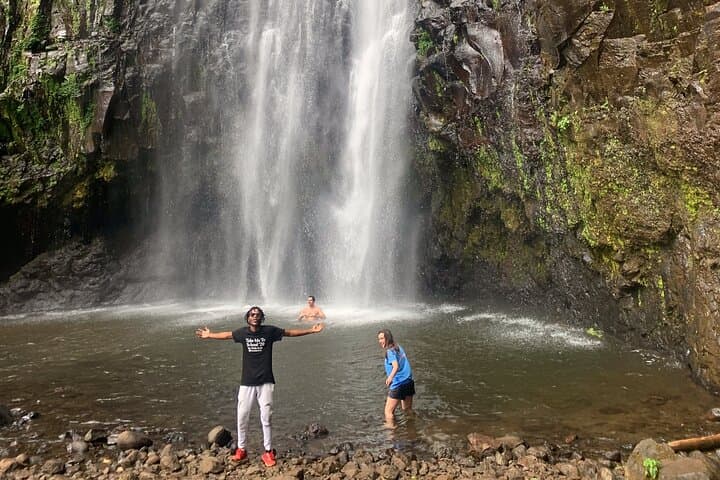
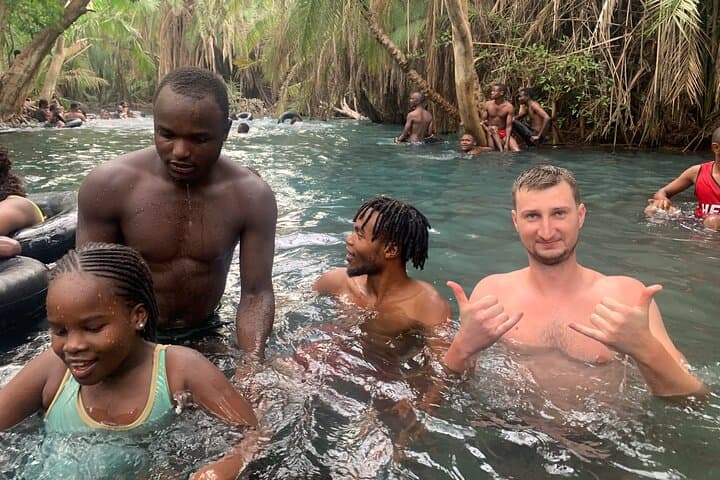
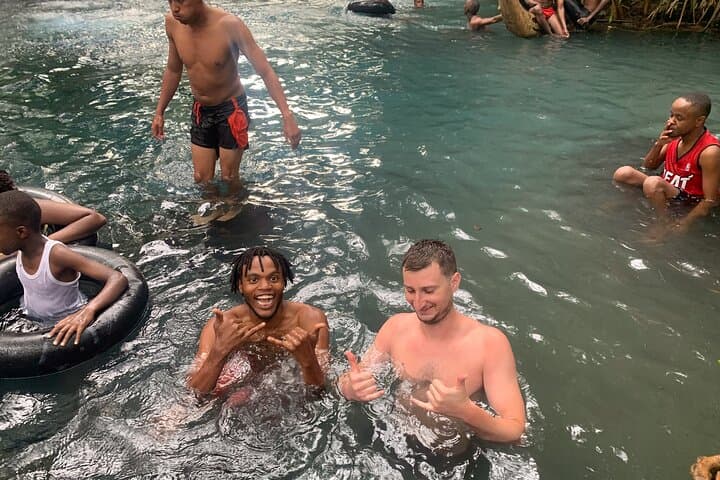
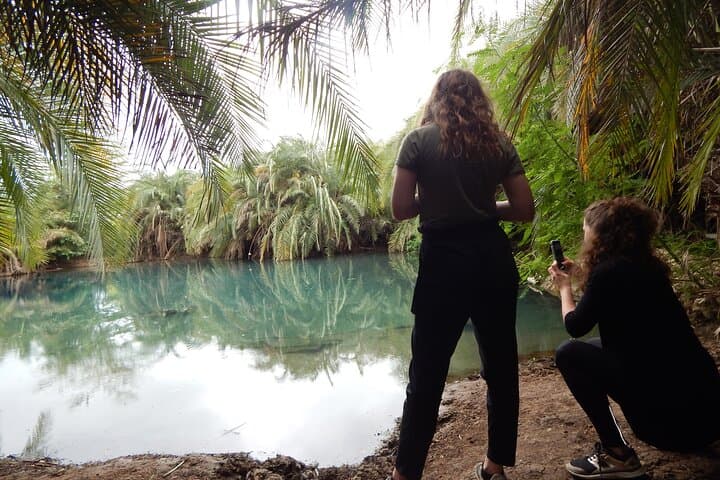
After a 40-minute walk to the pool beneath the cascade—terrain is soft soil, roots and rock—you can swim in clear, cool water. The day finishes with a drive to Kikuletwa (Chemka) Hot Springs: an unexpected crystalline pool emerging from limestone and alluvial layers in a semi-arid plain, ringed by fig trees and shaded platforms ideal for an afternoon dip.
Practical notes: wear grippy shoes for muddy trails, bring a towel and swimwear, and carry cash for tips or small purchases in the village. Start early to avoid midday heat and allow time for the coffee stop without rushing the walk. The route is accessible to most fitness levels but includes uneven, sometimes steep footing—respect local customs, follow your guide’s route, and leave the springs and fields as you found them.
moderate.
6 hours.
Light to moderate fitness—able to walk up to 40 minutes on uneven ground and manage some short uphill sections
The main approach to the pool is about a 30–40 minute walk each way over uneven forest trail; it’s largely gradual but has some steeper sections.
Yes—both spots are commonly used for swimming; always follow your guide on safe entry points and avoid disturbing spring outlets.
Local lunch and entry to Materuni Waterfall and Kikuletwa Hot Springs are typically included in the tour price—confirm at booking for any changes.
The coffee tour and hot springs are accessible, but the 40-minute walk to the waterfall may be challenging for very young children or those with limited mobility; discuss alternatives with the operator.
The Chagga people have farmed Kilimanjaro’s lower slopes for centuries, developing terraced fields and smallholder coffee systems that shaped local landscapes and livelihoods.
Visitors should avoid soaps in springs, stay on designated paths to protect fragile soils and support local guides and family-run operations to channel income into conservation and community care.
Allday In Africa Limited operates guided outdoor trips and adventures with an emphasis on safety, stewardship, and memorable experiences.
You step off the road where the Kilimanjaro foothills begin to tilt skyward, and a patchwork of banana terraces and coffee plots opens around a small Chagga village. The air smells of damp earth and roasted beans; a narrow path drops into cool understory where the Materuni Waterfall is heard before it is seen.
You step off the road where the Kilimanjaro foothills begin to tilt skyward, and a patchwork of banana terraces and coffee plots opens around a small Chagga village. The air smells of damp earth and roasted beans; a narrow path drops into cool understory where the Materuni Waterfall is heard before it is seen.
Materuni sits at the southern edge of the Kilimanjaro massif. The falls carve through volcanic soils laid down by ancient eruptions, and the slope agriculture you pass reflects centuries of Chagga land management—terraces, irrigation channels, and coffee gardens that helped shape the local economy. The coffee tour explains traditional processing and the role of smallholder farms, while local lunch often features stewed greens, maize, and banana.
After a 40-minute walk to the pool beneath the cascade—terrain is soft soil, roots and rock—you can swim in clear, cool water. The day finishes with a drive to Kikuletwa (Chemka) Hot Springs: an unexpected crystalline pool emerging from limestone and alluvial layers in a semi-arid plain, ringed by fig trees and shaded platforms ideal for an afternoon dip.
Practical notes: wear grippy shoes for muddy trails, bring a towel and swimwear, and carry cash for tips or small purchases in the village. Start early to avoid midday heat and allow time for the coffee stop without rushing the walk. The route is accessible to most fitness levels but includes uneven, sometimes steep footing—respect local customs, follow your guide’s route, and leave the springs and fields as you found them.