THE ADVENTURE COLLECTIVE® · Independent discovery and booking for outdoor travel

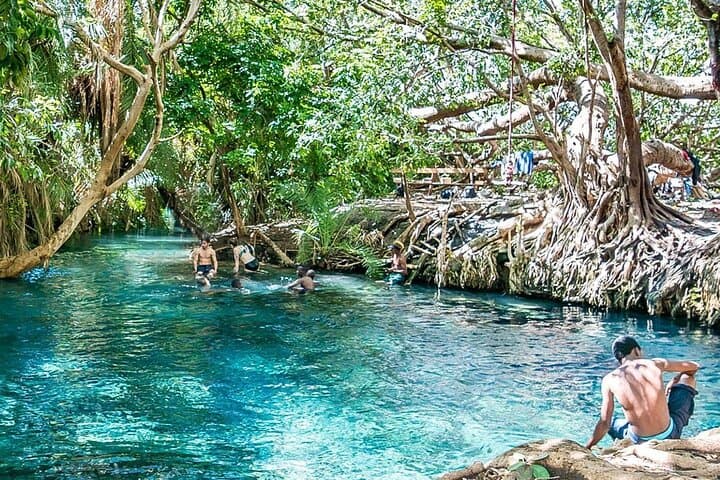
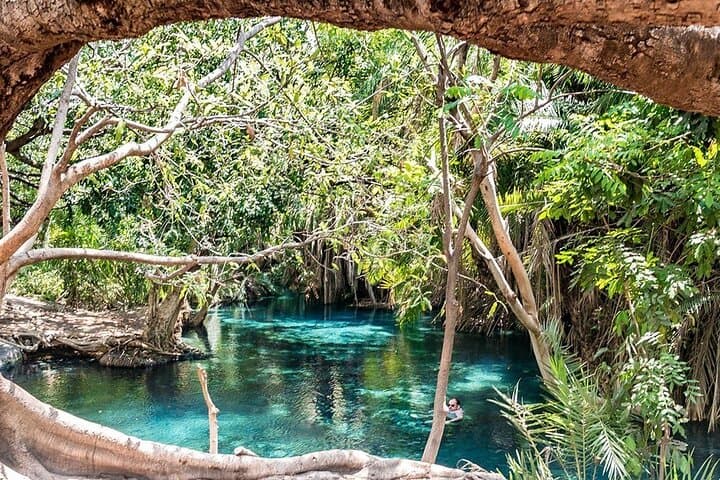
A full-day outing from Arusha that pairs a short mountain hike to Materuni Waterfall and an intimate coffee-farm visit with a swim in the clear, warm waters of Kikuletwa (Chemka) Hot Springs. Expect steep terraces, volcanic-fed springs, and a relaxed finish by the pool.
A full-day outing from Arusha that pairs a short mountain hike to Materuni Waterfall and an intimate coffee-farm visit with a swim in the clear, warm waters of Kikuletwa (Chemka) Hot Springs. Expect steep terraces, volcanic-fed springs, and a relaxed finish by the pool.
Dawn breaks over the foothills of Kilimanjaro as a minivan threads red earth roads toward green coffee terraces. The group steps out into cool mountain air, the steady scent of fresh roast and wet soil pulling focus; birds call from fig trees and a narrow track slips down toward the waterfall.
Verified experiences and guided adventures in the surrounding area.
Operated by Joagro Safaris Tanzania · Arusha, Arusha Region
Dawn breaks over the foothills of Kilimanjaro as a minivan threads red earth roads toward green coffee terraces. The group steps out into cool mountain air, the steady scent of fresh roast and wet soil pulling focus; birds call from fig trees and a narrow track slips down toward the waterfall.
Materuni village carries a living record of Chagga agricultural life: terraced farms carved into volcanic slopes, irrigation channels older than many towns, and a coffee culture grown alongside Arabic introductions centuries ago. Geology here is dominated by the ancient lava flows and fertile volcanic soils of Kilimanjaro’s lower slopes, which feed springs and small streams that have carved the ravine hosting the falls.
The waterfall approach is a compact, active walk — expect 1.5–3 km (round trip) on uneven trails with 150–300 m of elevation change, muddy sections during rains, and a few stone steps. Guides often combine a short coffee farm visit where beans are hand-processed, then drive 45–90 minutes to Kikuletwa (Chemka) Hot Springs, a clear, warm pool sourced from mountain aquifers where swimming and floating are the reward.
Practically, aim for an early start to avoid afternoon heat and clouds, wear grippy shoes for wet rocks, and carry at least 1.5 L of water. Bring modest swimwear, cash for park or entry fees, and a quick-dry towel. The route is family-friendly in sections but includes uneven terrain; expect a full-day rhythm of walking, tasting, and relaxing that showcases both cultivation and the cooling promise of natural springs.
moderate.
8–10 hours.
Suitable for moderately fit travelers comfortable with short uphill sections and uneven terrain; families with older children commonly join.
Expect roughly 1.5–3 km round trip on uneven trails with 150–300 m of elevation change depending on the route and starting point.
Yes — the springs have shallow edges and sandy banks for lounging; life vests can sometimes be provided but check with your operator.
Yes — demonstrations are hands-on and short; children should be supervised near processing equipment and water.
Small local entry or conservation fees and optional tipping are common; bring Tanzanian shillings or small cash.
The Chagga people have farmed Kilimanjaro’s lower slopes for centuries, developing terracing and irrigation that support coffee cultivation introduced during the 19th century.
Visitors should stick to marked paths, avoid polluting the springs, and support local guides — revenue helps maintain trails and community projects.
Joagro Safaris Tanzania operates guided outdoor trips and adventures with an emphasis on safety, stewardship, and memorable experiences.
Dawn breaks over the foothills of Kilimanjaro as a minivan threads red earth roads toward green coffee terraces. The group steps out into cool mountain air, the steady scent of fresh roast and wet soil pulling focus; birds call from fig trees and a narrow track slips down toward the waterfall.
Dawn breaks over the foothills of Kilimanjaro as a minivan threads red earth roads toward green coffee terraces. The group steps out into cool mountain air, the steady scent of fresh roast and wet soil pulling focus; birds call from fig trees and a narrow track slips down toward the waterfall.
Materuni village carries a living record of Chagga agricultural life: terraced farms carved into volcanic slopes, irrigation channels older than many towns, and a coffee culture grown alongside Arabic introductions centuries ago. Geology here is dominated by the ancient lava flows and fertile volcanic soils of Kilimanjaro’s lower slopes, which feed springs and small streams that have carved the ravine hosting the falls.
The waterfall approach is a compact, active walk — expect 1.5–3 km (round trip) on uneven trails with 150–300 m of elevation change, muddy sections during rains, and a few stone steps. Guides often combine a short coffee farm visit where beans are hand-processed, then drive 45–90 minutes to Kikuletwa (Chemka) Hot Springs, a clear, warm pool sourced from mountain aquifers where swimming and floating are the reward.
Practically, aim for an early start to avoid afternoon heat and clouds, wear grippy shoes for wet rocks, and carry at least 1.5 L of water. Bring modest swimwear, cash for park or entry fees, and a quick-dry towel. The route is family-friendly in sections but includes uneven terrain; expect a full-day rhythm of walking, tasting, and relaxing that showcases both cultivation and the cooling promise of natural springs.