THE ADVENTURE COLLECTIVE® · Independent discovery and booking for outdoor travel

A single-day, culturally rich hike from Moshi that pairs a brisk walk to Materuni Waterfall with a Chagga coffee experience and a dip at Chemka (Kikuletwa) Hot Springs—ideal for walkers who want scenery, culture, and a cool swim in one day.
A single-day, culturally rich hike from Moshi that pairs a brisk walk to Materuni Waterfall with a Chagga coffee experience and a dip at Chemka (Kikuletwa) Hot Springs—ideal for walkers who want scenery, culture, and a cool swim in one day.
You step off the minivan into humid air cut by the sound of rushing water—green slopes of Kilimanjaro falling away into a narrow ravine. The trail into Materuni threads through banana terraces, shaded eucalyptus, and worked coffee plots; the river below dares you closer with each cascade.
Verified experiences and guided adventures in the surrounding area.
Operated by kilipath African Safaris · Moshi, Kilimanjaro Region
You step off the minivan into humid air cut by the sound of rushing water—green slopes of Kilimanjaro falling away into a narrow ravine. The trail into Materuni threads through banana terraces, shaded eucalyptus, and worked coffee plots; the river below dares you closer with each cascade.
The route runs on the southern flanks of Mount Kilimanjaro, carved from volcanic soils and ancient lava flows that feed a network of streams. Materuni village is home to the Chagga, whose intensive hillside farming and coffee traditions shape the landscape and your itinerary: a village coffee demo, roasting your own cup, and conversation about ancestral land use.
Expect a 3–4 km roundtrip hike with roughly 200–300 m of elevation change—steep stone steps, muddy switchbacks after rain, and a short scramble near the plunge pool. The walk to the main falls typically takes 45–75 minutes each way for a steady walker; the full day includes transportation, the coffee plantation visit, and a late-afternoon stop at Chemka (Kikuletwa) Hot Springs for a refreshing dip.
Plan practically: sturdy footwear for wet, uneven ground; layered clothing for variable shade and sun; insect repellent and at least 1–2 liters of water. Bring swimwear and a towel if you want to soak at Chemka. Respect local customs—ask before photographing people and follow your guide’s route to avoid erosion. The route suits regular walkers and those curious about culture as much as scenery—arrive prepared, and the falls and hot springs will reward steady legs and an easy sense of wonder.
moderate.
6–8 hours (full-day including transport).
Suitable for regular walkers comfortable with steep, uneven terrain and short scrambles; not for those with serious back or heart issues.
The walking section is typically 45–75 minutes each way for most visitors (3–4 km roundtrip), depending on pace and stops.
The itinerary usually includes a stop at Chemka (Kikuletwa) Hot Springs; bring swimwear and expect time to swim and relax.
The tour includes a traditional Chagga meal at Materuni during the coffee demonstration; confirm dietary needs when booking.
The trail has steep sections and slippery steps; it’s not recommended for pregnant travelers or those with serious back or cardiovascular conditions.
The Chagga people have farmed Kilimanjaro’s lower slopes for centuries, shaping terraces and refining coffee cultivation introduced in the colonial period.
Stick to marked trails and avoid single-use plastics; tours that work with local guides help channel income to village conservation and trail maintenance.
kilipath African Safaris operates guided outdoor trips and adventures with an emphasis on safety, stewardship, and memorable experiences.

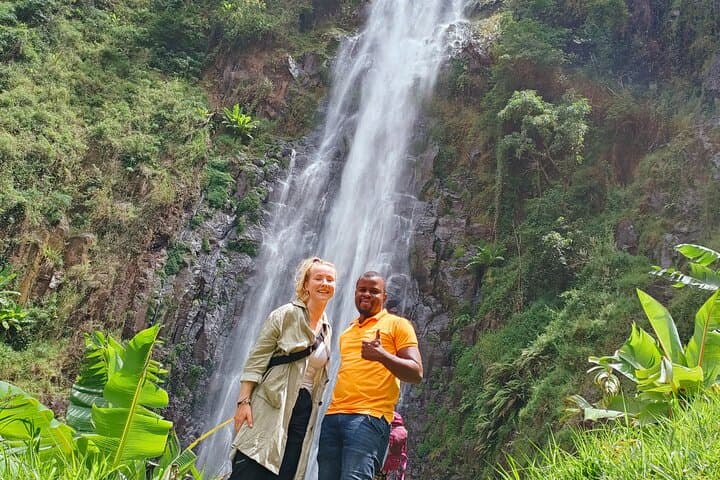
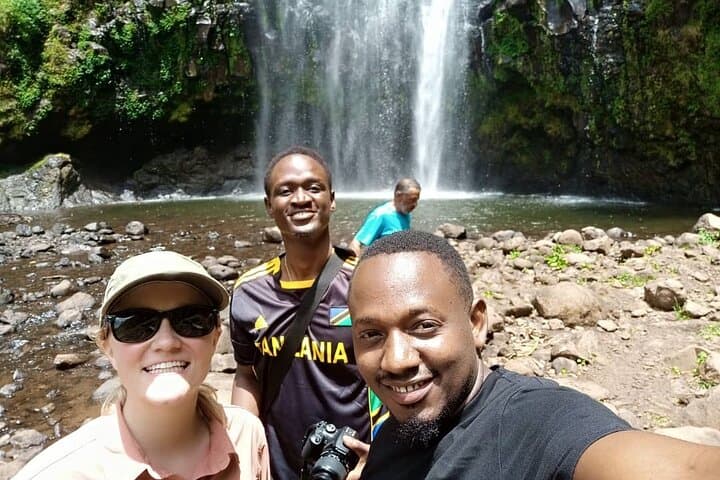
You step off the minivan into humid air cut by the sound of rushing water—green slopes of Kilimanjaro falling away into a narrow ravine. The trail into Materuni threads through banana terraces, shaded eucalyptus, and worked coffee plots; the river below dares you closer with each cascade.
You step off the minivan into humid air cut by the sound of rushing water—green slopes of Kilimanjaro falling away into a narrow ravine. The trail into Materuni threads through banana terraces, shaded eucalyptus, and worked coffee plots; the river below dares you closer with each cascade.
The route runs on the southern flanks of Mount Kilimanjaro, carved from volcanic soils and ancient lava flows that feed a network of streams. Materuni village is home to the Chagga, whose intensive hillside farming and coffee traditions shape the landscape and your itinerary: a village coffee demo, roasting your own cup, and conversation about ancestral land use.
Expect a 3–4 km roundtrip hike with roughly 200–300 m of elevation change—steep stone steps, muddy switchbacks after rain, and a short scramble near the plunge pool. The walk to the main falls typically takes 45–75 minutes each way for a steady walker; the full day includes transportation, the coffee plantation visit, and a late-afternoon stop at Chemka (Kikuletwa) Hot Springs for a refreshing dip.
Plan practically: sturdy footwear for wet, uneven ground; layered clothing for variable shade and sun; insect repellent and at least 1–2 liters of water. Bring swimwear and a towel if you want to soak at Chemka. Respect local customs—ask before photographing people and follow your guide’s route to avoid erosion. The route suits regular walkers and those curious about culture as much as scenery—arrive prepared, and the falls and hot springs will reward steady legs and an easy sense of wonder.