THE ADVENTURE COLLECTIVE® · Independent discovery and booking for outdoor travel

A short drive from Moshi leads to a steep-sided pool and a living coffee culture. Hike through banana terraces to Materuni Waterfall, swim when weather permits, then learn Chagga coffee from seed to cup.
A short drive from Moshi leads to a steep-sided pool and a living coffee culture. Hike through banana terraces to Materuni Waterfall, swim when weather permits, then learn Chagga coffee from seed to cup.
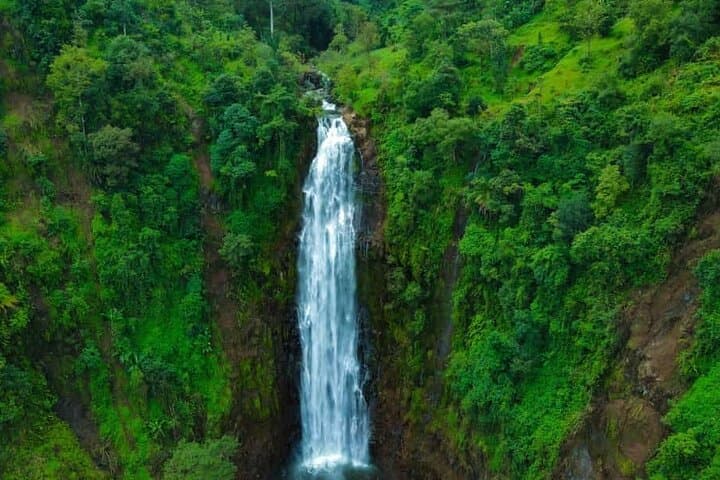
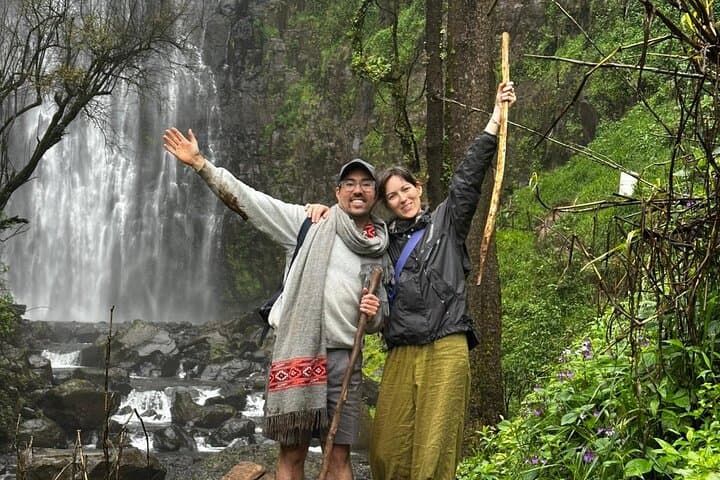
The path drops away from the village like a secret revealed — a single-track threaded through banana palms and coffee bushes, the air heavy with damp earth and roasting beans. Within 20 minutes of leaving Moshi you’ll be in the foothills of Kilimanjaro; the mountain looms distant and patient while the trail negotiates terraces and narrow farm tracks. Materuni’s waterfall arrives without fanfare: a curtain of water spilling into a cool pool that invites a deliberate pause.
Verified experiences and guided adventures in the surrounding area.
Operated by Moshi Trips · Moshi, Kilimanjaro
The path drops away from the village like a secret revealed — a single-track threaded through banana palms and coffee bushes, the air heavy with damp earth and roasting beans. Within 20 minutes of leaving Moshi you’ll be in the foothills of Kilimanjaro; the mountain looms distant and patient while the trail negotiates terraces and narrow farm tracks. Materuni’s waterfall arrives without fanfare: a curtain of water spilling into a cool pool that invites a deliberate pause.
Materuni sits in Chagga country, a community that has farmed the volcanic slopes of Kilimanjaro for centuries. The soils here are volcanic ash and rich loam; terraces and stone walls testify to generations shaping the land for banana and coffee cultivation. Geologically, you’re on the lower flanks of Africa’s highest peak — weathered lava flows and fertile pyroclastics that produce the distinctive high-altitude Arabica beans the Chagga roast themselves.
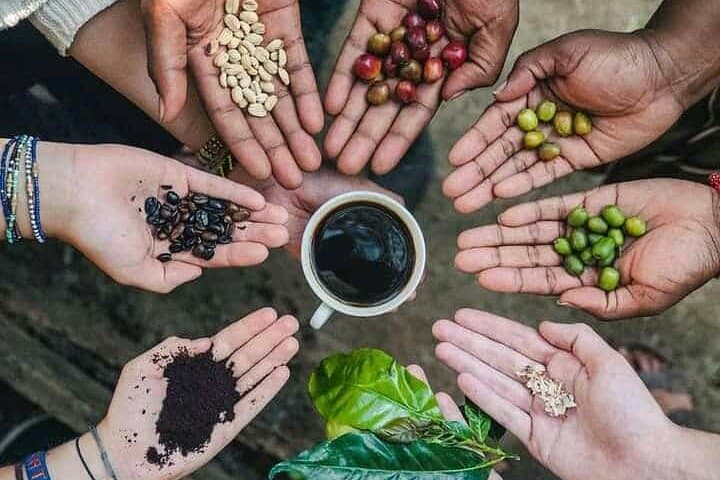
On this private, full-day excursion from Moshi you’ll hike roughly 3 km round-trip with about 200–300 m cumulative elevation change. The trail is a mix of packed dirt, stones and stepped farm paths; wet sections become slippery after rain. At the waterfall you can swim when conditions allow, or sit on basalt boulders and watch the water recompose itself into mist. Then comes the cultural shift: a Chagga homestead where coffee is more than a crop — it’s a ritual. You’ll see seedlings, pick ripe cherries, roast and grind with local hands and taste coffee brewed over coals, thick and bright with the soils of Kilimanjaro.
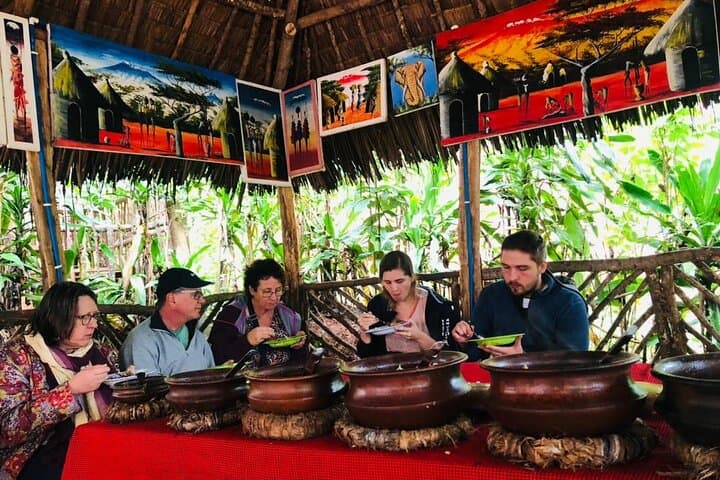
The tour ends with a traditional Chagga lunch—mtori (green banana soup), rice, machalari and seasonal fruit—before a relaxed return to Moshi.
Practical guide: plan for a 30–45 minute drive from central Moshi; total tour time is about seven hours, including transport, hike, coffee demonstration and lunch. Wear sturdy shoes with good grip; expect a steady uphill on the return. Bring a small towel and swimwear if you intend to enter the pool, and a waterproof layer—tropical showers are brief but intense. Cash is useful for small purchases or tips; the tour includes private transport, entrance fees, lunch and the coffee session.
Why go: the combination of a short, varied hike and hands-on cultural exchange makes Materuni one of the most accessible introductions to Kilimanjaro’s ecological and agricultural world. The waterfall is the draw, but the coffee and conversation are what make the day linger after you’ve left the mountain foothills.
moderate.
6–7 hours total (including transport and stops).
Moderate fitness—able to manage sustained uphill sections and uneven terrain for 1–2 hours.
The hiking portion is about 3 km round-trip and typically takes 45–90 minutes depending on pace and stops.
Yes, swimming is allowed when conditions are safe; guides will advise based on water flow and weather.
Yes—children can join, but expect uneven trail sections and some uphill walking; infants should be in carriers rather than strollers on the trail.
Local guides typically speak English; Kiswahili is common in the area and guides often translate local terms and customs.
The tour normally includes private transport from Moshi, entrance fees, guided hike, coffee demonstration, and lunch.
Basic village toilets are available near the homestead; amenities are rustic, so plan accordingly.
The Chagga people have cultivated Kilimanjaro’s lower slopes for centuries; their terrace systems and coffee varieties developed in response to volcanic soils and steep terrain.
Community coffee projects support sustainable farming and reforestation; visitors are encouraged to follow marked trails to limit erosion and respect private farmland.
Moshi Trips operates guided outdoor trips and adventures with an emphasis on safety, stewardship, and memorable experiences.
The path drops away from the village like a secret revealed — a single-track threaded through banana palms and coffee bushes, the air heavy with damp earth and roasting beans. Within 20 minutes of leaving Moshi you’ll be in the foothills of Kilimanjaro; the mountain looms distant and patient while the trail negotiates terraces and narrow farm tracks. Materuni’s waterfall arrives without fanfare: a curtain of water spilling into a cool pool that invites a deliberate pause.
The path drops away from the village like a secret revealed — a single-track threaded through banana palms and coffee bushes, the air heavy with damp earth and roasting beans. Within 20 minutes of leaving Moshi you’ll be in the foothills of Kilimanjaro; the mountain looms distant and patient while the trail negotiates terraces and narrow farm tracks. Materuni’s waterfall arrives without fanfare: a curtain of water spilling into a cool pool that invites a deliberate pause.
Materuni sits in Chagga country, a community that has farmed the volcanic slopes of Kilimanjaro for centuries. The soils here are volcanic ash and rich loam; terraces and stone walls testify to generations shaping the land for banana and coffee cultivation. Geologically, you’re on the lower flanks of Africa’s highest peak — weathered lava flows and fertile pyroclastics that produce the distinctive high-altitude Arabica beans the Chagga roast themselves.
On this private, full-day excursion from Moshi you’ll hike roughly 3 km round-trip with about 200–300 m cumulative elevation change. The trail is a mix of packed dirt, stones and stepped farm paths; wet sections become slippery after rain. At the waterfall you can swim when conditions allow, or sit on basalt boulders and watch the water recompose itself into mist. Then comes the cultural shift: a Chagga homestead where coffee is more than a crop — it’s a ritual. You’ll see seedlings, pick ripe cherries, roast and grind with local hands and taste coffee brewed over coals, thick and bright with the soils of Kilimanjaro.
The tour ends with a traditional Chagga lunch—mtori (green banana soup), rice, machalari and seasonal fruit—before a relaxed return to Moshi.
Practical guide: plan for a 30–45 minute drive from central Moshi; total tour time is about seven hours, including transport, hike, coffee demonstration and lunch. Wear sturdy shoes with good grip; expect a steady uphill on the return. Bring a small towel and swimwear if you intend to enter the pool, and a waterproof layer—tropical showers are brief but intense. Cash is useful for small purchases or tips; the tour includes private transport, entrance fees, lunch and the coffee session.
Why go: the combination of a short, varied hike and hands-on cultural exchange makes Materuni one of the most accessible introductions to Kilimanjaro’s ecological and agricultural world. The waterfall is the draw, but the coffee and conversation are what make the day linger after you’ve left the mountain foothills.