THE ADVENTURE COLLECTIVE® · Independent discovery and booking for outdoor travel

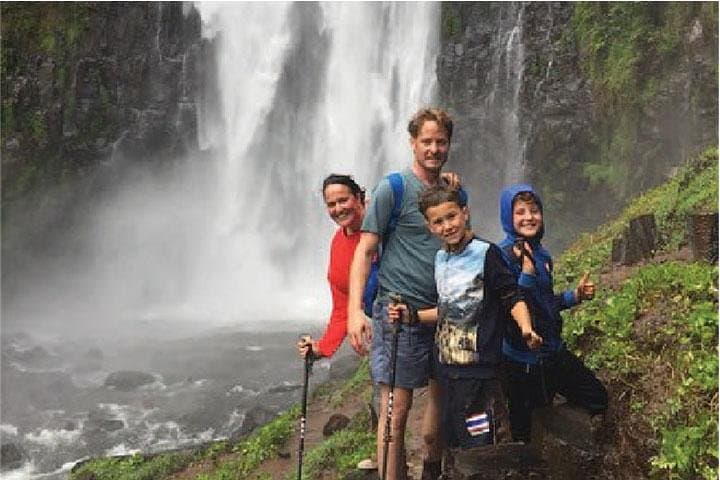
Walk from Moshi into the Chagga village of Materuni for an 80m waterfall, hands-on coffee processing and close-up Kilimanjaro views. This practical day trip combines a short rainforest hike, a cultural lunch and a refreshing swim.
Walk from Moshi into the Chagga village of Materuni for an 80m waterfall, hands-on coffee processing and close-up Kilimanjaro views. This practical day trip combines a short rainforest hike, a cultural lunch and a refreshing swim.
A damp trail threads uphill through mossed ferns and tall banana plants, the air sharp with the smell of fresh coffee beans drying on woven mats. As you walk, the rainforest opens in sudden slices and the silhouette of Kilimanjaro sometimes appears above the ridgeline, daring you to look higher.
Verified experiences and guided adventures in the surrounding area.
Operated by Budget Safaris Tanzania · Moshi, Kilimanjaro Region
A damp trail threads uphill through mossed ferns and tall banana plants, the air sharp with the smell of fresh coffee beans drying on woven mats. As you walk, the rainforest opens in sudden slices and the silhouette of Kilimanjaro sometimes appears above the ridgeline, daring you to look higher.
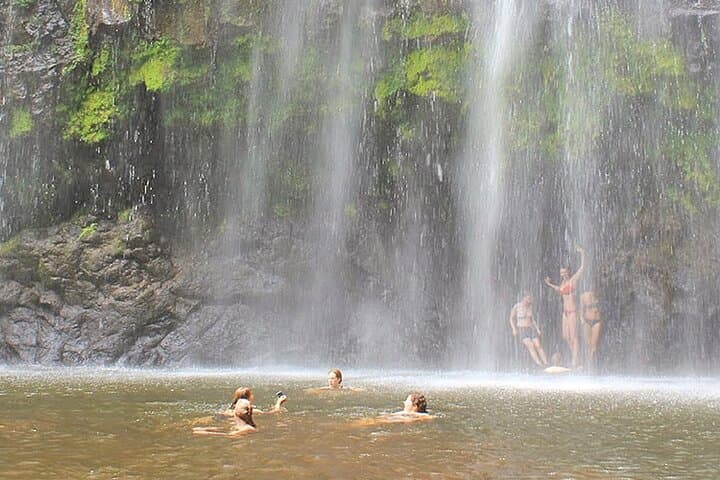
Materuni sits on Kilimanjaro’s lower slopes and is a longstanding Chagga community that farmed these elevations long before tourism arrived. The waterfall itself drops more than 80 meters through volcanic rock shaped by ancient lava flows and heavy equatorial rains; pools at its base invite a cooling dip after the approach. The coffee gardens around the village trace centuries-old agroforestry practices—coffee interplanted with bananas and avocados—reflecting a local economy built around shade-grown beans and household gardens.
Culturally, expect direct interaction: guides from the village explain traditional processing and invite visitors into hands-on roasting, grinding and tasting, often accompanied by songs. Ecologically the area is important for watershed protection feeding streams below Moshi, and visitors help sustain local incomes through fees and purchases.
Practical: the walk to the falls is roughly 40–60 minutes one way on uneven footpaths with modest elevation change; good footwear and a rain layer are prudent year-round. Bring swimwear if you want to enter the pool, and cash for a simple Chagga lunch and small purchases.
Timing: mornings give the clearest views of Kilimanjaro; afternoons can be mistier but offer lush light and cooler temperatures.
easy.
6–8 hours.
Suitable for most people who can walk 1–2 miles on uneven terrain; basic stamina and stable footing required.
Expect about 40–60 minutes each way on an unpaved trail with moderate footing—your guide can adjust pace.
Yes; the tour includes a hands-on coffee demonstration covering cultivation, drying, roasting and tasting.
Yes; the route is family-friendly but children should be able to handle uneven paths and short climbs.
Park fees are typically included in the tour price, but confirm at booking; this area borders Kilimanjaro National Park.
Materuni is a Chagga village whose people developed terrace farming and multicropping techniques on Kilimanjaro’s slopes over centuries, shaping both landscape and culture.
Small-scale tourism supports village incomes and encourages protection of local forests that regulate watershed flows; stick to trails and avoid single-use plastics.
Budget Safaris Tanzania operates guided outdoor trips and adventures with an emphasis on safety, stewardship, and memorable experiences.


A damp trail threads uphill through mossed ferns and tall banana plants, the air sharp with the smell of fresh coffee beans drying on woven mats. As you walk, the rainforest opens in sudden slices and the silhouette of Kilimanjaro sometimes appears above the ridgeline, daring you to look higher.
A damp trail threads uphill through mossed ferns and tall banana plants, the air sharp with the smell of fresh coffee beans drying on woven mats. As you walk, the rainforest opens in sudden slices and the silhouette of Kilimanjaro sometimes appears above the ridgeline, daring you to look higher.
Materuni sits on Kilimanjaro’s lower slopes and is a longstanding Chagga community that farmed these elevations long before tourism arrived. The waterfall itself drops more than 80 meters through volcanic rock shaped by ancient lava flows and heavy equatorial rains; pools at its base invite a cooling dip after the approach. The coffee gardens around the village trace centuries-old agroforestry practices—coffee interplanted with bananas and avocados—reflecting a local economy built around shade-grown beans and household gardens.
Culturally, expect direct interaction: guides from the village explain traditional processing and invite visitors into hands-on roasting, grinding and tasting, often accompanied by songs. Ecologically the area is important for watershed protection feeding streams below Moshi, and visitors help sustain local incomes through fees and purchases.
Practical: the walk to the falls is roughly 40–60 minutes one way on uneven footpaths with modest elevation change; good footwear and a rain layer are prudent year-round. Bring swimwear if you want to enter the pool, and cash for a simple Chagga lunch and small purchases.
Timing: mornings give the clearest views of Kilimanjaro; afternoons can be mistier but offer lush light and cooler temperatures.