THE ADVENTURE COLLECTIVE® · Independent discovery and booking for outdoor travel

Walk through coffee farms and Chagga villages to a cool plunge pool below a dramatic waterfall. This day trip from Moshi combines an easy hike with hands-on coffee tasting and local culture.
Walk through coffee farms and Chagga villages to a cool plunge pool below a dramatic waterfall. This day trip from Moshi combines an easy hike with hands-on coffee tasting and local culture.
You step off the minivan onto a cool, loamy path and the air changes—earthy dampness, green leaves brushing your shoulders, and a distant roar that quickens every step.
Verified experiences and guided adventures in the surrounding area.
Operated by Digalah Expedition · Moshi, Kilimanjaro Region
You step off the minivan onto a cool, loamy path and the air changes—earthy dampness, green leaves brushing your shoulders, and a distant roar that quickens every step.
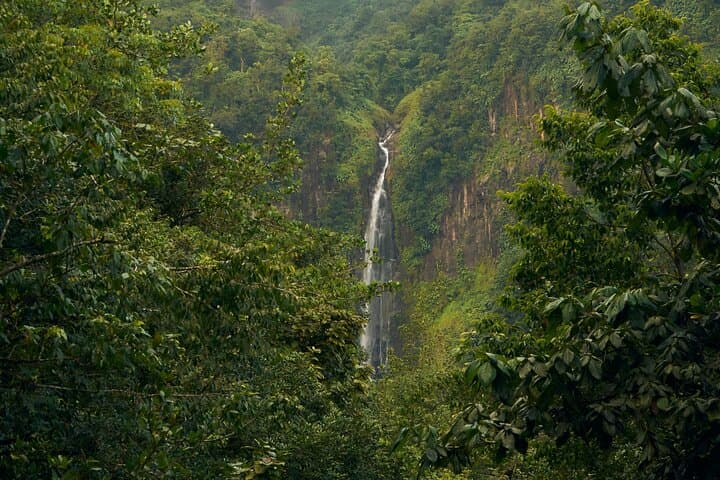
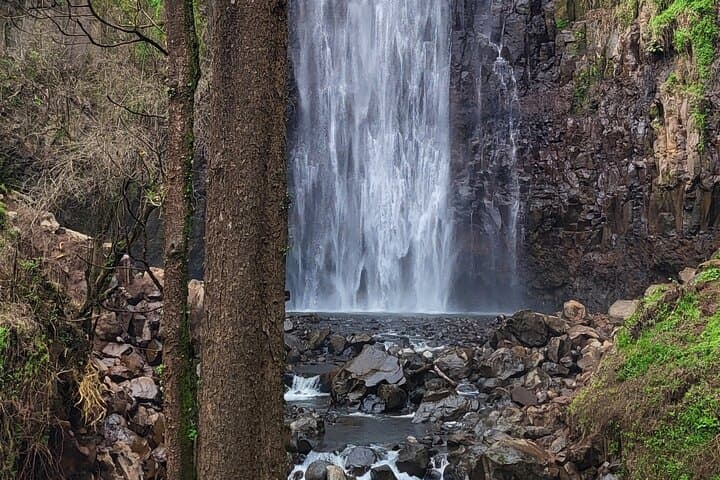
The trail to Materuni Waterfall threads through steep, cultivated slopes at Mount Kilimanjaro’s southern flank. Former volcanic soils feed terraced banana and coffee plots tended by the Chagga people; you pass stone houses and water canals that still channel melt and rain. At the falls a clear plunge pool waits; the water is fed by upland streams that have carved basalt and ash into stepped cascades.
Materuni sits within Chagga country, whose agricultural systems and irrigation know-how shaped these hills for centuries. The coffee grown here is Arabica, processed in small lots using traditional wet methods—farm visits explain planting, roasting, and the communal coffee ceremony that follows.
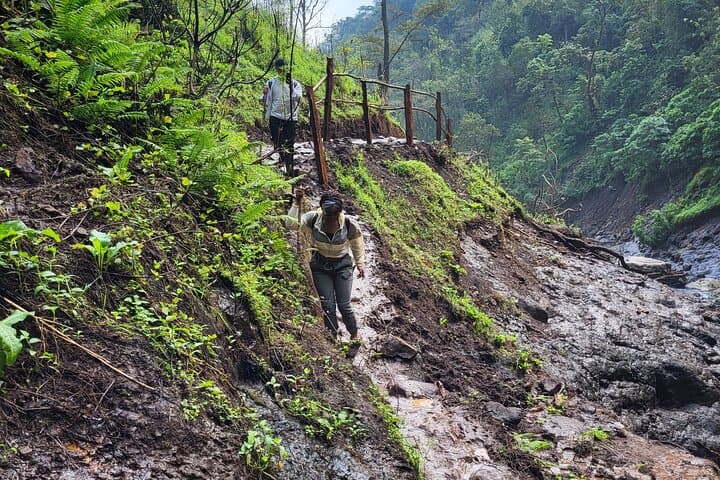
Expect a 6–7 hour outing: a mostly downhill-and-back route of compact dirt and occasional rock, with short stair sections and farm tracks. You’ll wade at the pool or sit on river-worn boulders; wear good grip shoes for slippery rocks and bring a swimsuit and quick-dry towel.
Plan morning departures for better light on Kilimanjaro and thinner crowds. Hydrate before you hike, carry local-currency cash for small purchases, and respect private farmland—ask guides before photographing people. The trip blends a short, accessible hike with cultural immersion and a strong coffee payoff—easy to imagine and easy to prepare for.
easy.
6–7 hours.
Light to moderate fitness; able to walk uneven trails and short stair sections.
Expect about 2–3 hours round trip from the village trailhead, within a full-day 6–7 hour tour including coffee and meals.
Yes—routes are relatively short and graded, but the trail has uneven steps and slippery sections; disclose mobility issues when booking.
Yes—most tours include a hands-on coffee demonstration and tasting of locally roasted Arabica.
Dry months (June–October) give firmer trails and clearer views of Kilimanjaro, though the waterfall is most robust after rains.
The Chagga people have farmed Kilimanjaro’s slopes for centuries, developing terraced fields and irrigation systems that shaped local settlement patterns.
Visitors should stay on trails and avoid littering; many local farms participate in shade-grown coffee practices that help protect forest patches and water sources.
Digalah Expedition operates guided outdoor trips and adventures with an emphasis on safety, stewardship, and memorable experiences.
You step off the minivan onto a cool, loamy path and the air changes—earthy dampness, green leaves brushing your shoulders, and a distant roar that quickens every step.
You step off the minivan onto a cool, loamy path and the air changes—earthy dampness, green leaves brushing your shoulders, and a distant roar that quickens every step.
The trail to Materuni Waterfall threads through steep, cultivated slopes at Mount Kilimanjaro’s southern flank. Former volcanic soils feed terraced banana and coffee plots tended by the Chagga people; you pass stone houses and water canals that still channel melt and rain. At the falls a clear plunge pool waits; the water is fed by upland streams that have carved basalt and ash into stepped cascades.
Materuni sits within Chagga country, whose agricultural systems and irrigation know-how shaped these hills for centuries. The coffee grown here is Arabica, processed in small lots using traditional wet methods—farm visits explain planting, roasting, and the communal coffee ceremony that follows.
Expect a 6–7 hour outing: a mostly downhill-and-back route of compact dirt and occasional rock, with short stair sections and farm tracks. You’ll wade at the pool or sit on river-worn boulders; wear good grip shoes for slippery rocks and bring a swimsuit and quick-dry towel.
Plan morning departures for better light on Kilimanjaro and thinner crowds. Hydrate before you hike, carry local-currency cash for small purchases, and respect private farmland—ask guides before photographing people. The trip blends a short, accessible hike with cultural immersion and a strong coffee payoff—easy to imagine and easy to prepare for.