THE ADVENTURE COLLECTIVE® · Independent discovery and booking for outdoor travel

Spend two days on Kilimanjaro’s southern slopes—hiking to glacier-fed Materuni Falls, sharing a hands-on Chagga coffee ritual, and spending a night under canvas in a village camp. Short walking sections and local guides make this an accessible cultural-hiking combo.
Spend two days on Kilimanjaro’s southern slopes—hiking to glacier-fed Materuni Falls, sharing a hands-on Chagga coffee ritual, and spending a night under canvas in a village camp. Short walking sections and local guides make this an accessible cultural-hiking combo.
A cool mist rises as you step off the footpath and hear the falls before you see them—the cascade daring you into the shallow pool below. Morning light often sketches Kilimanjaro’s ridgeline behind low clouds while the stream that fed that pool runs down from the mountain’s glacial slopes.
Verified experiences and guided adventures in the surrounding area.
Operated by Oserok Trips · Moshi, Kilimanjaro Region
A cool mist rises as you step off the footpath and hear the falls before you see them—the cascade daring you into the shallow pool below. Morning light often sketches Kilimanjaro’s ridgeline behind low clouds while the stream that fed that pool runs down from the mountain’s glacial slopes.
This two-day itinerary takes you into Chagga country on Kilimanjaro’s southern foothills, where steep volcanic soils support dense banana terraces and coffee plots. Geologically the area is volcanic flanks and deep, fertile gullies carved by seasonal runoff; culturally it’s Chagga land—agricultural communities with a living tradition of coffee processing and communal song. The water at Materuni originates in Kilimanjaro’s high catchment, which is why the falls stay cool year-round.
Expect a roughly 45-minute walk from the village to the falls over a short, steady trail with modest elevation change and mixed-packed dirt that becomes slippery when wet. The program pairs the waterfall visit and a picnic with hands-on coffee tasting and an overnight in a tented village camp—an opportunity to experience local hospitality and traditional grinding songs.
Practical notes: wear sturdy hiking shoes with good traction, bring a lightweight rain layer and water bottle, and be prepared for uneven terrain and basic camping comforts. Plan for the long rains (Mar–May) if you travel in spring, and for clearer skies from June to October. This is compact wilderness—sensory, social, and straightforward to prepare for, offering a short wilderness walk plus rich cultural exchange in one accessible two-day package.
moderate.
2 days.
Suitable for travelers with basic fitness; able to hike 45 minutes uphill and stand for cultural demonstrations.
The walk from the village to the falls is about 45 minutes along a short, steady trail with modest elevation change; pace depends on group fitness and stops for views.
Yes—you’ll sleep in tented village camps with simple bedding; expect comfortable but rustic conditions and shared facilities.
Mount Kilimanjaro is visible on clear mornings or evenings, but the summit is often cloud-covered—sightings depend on local weather.
The itinerary is described as accessible for many fitness levels, but participants should be able to handle a 45-minute uphill walk and basic camping; notify guides of any mobility concerns in advance.
The Chagga people have farmed Kilimanjaro’s lower slopes for centuries; coffee became a central cash crop during colonial and post-colonial periods and remains a cornerstone of village economy.
Kilimanjaro’s fragile alpine catchment is sensitive to deforestation and climate change; visitors help by staying on trails, minimizing waste, and supporting local conservation-minded guides.
Oserok Trips operates guided outdoor trips and adventures with an emphasis on safety, stewardship, and memorable experiences.
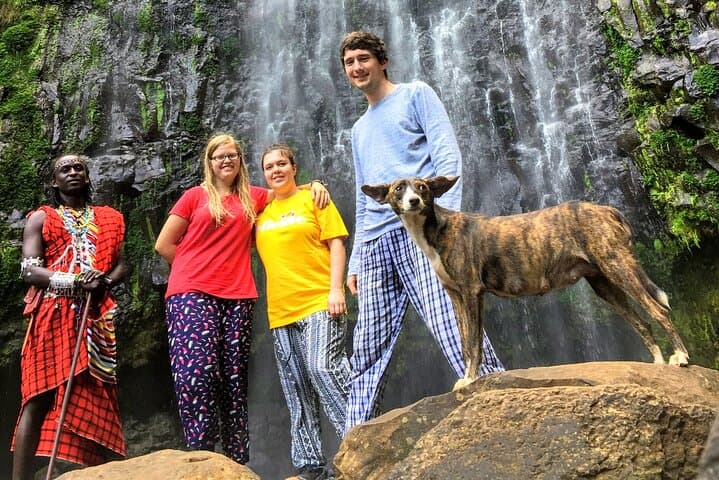
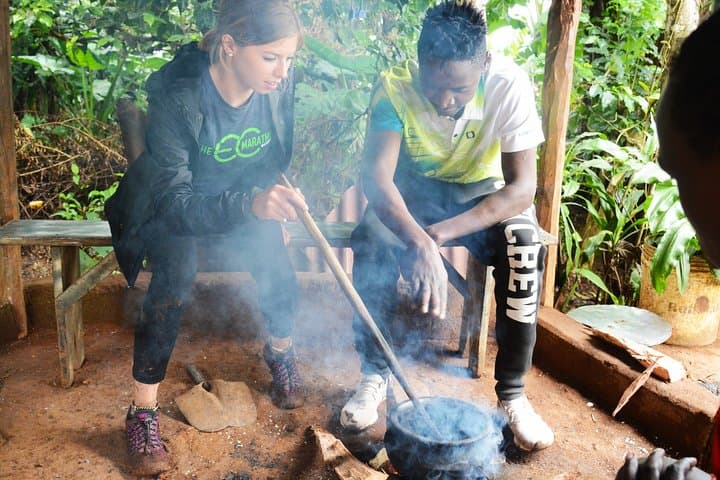
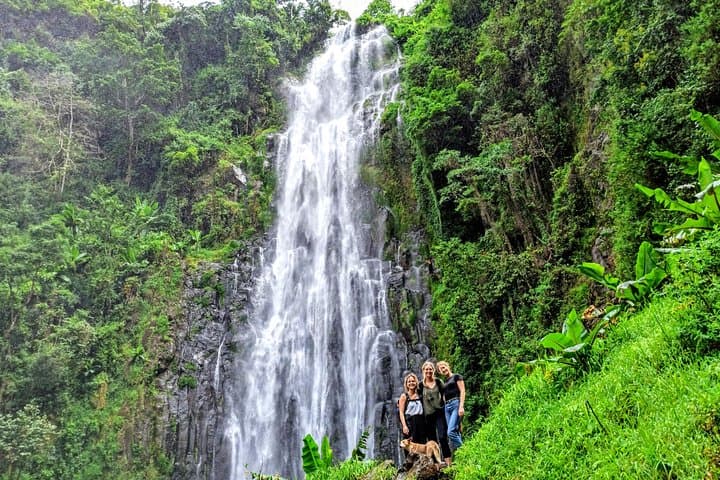
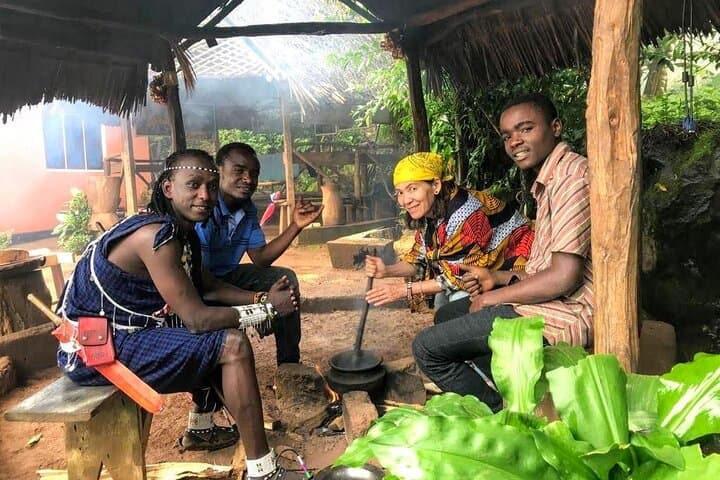
A cool mist rises as you step off the footpath and hear the falls before you see them—the cascade daring you into the shallow pool below. Morning light often sketches Kilimanjaro’s ridgeline behind low clouds while the stream that fed that pool runs down from the mountain’s glacial slopes.
A cool mist rises as you step off the footpath and hear the falls before you see them—the cascade daring you into the shallow pool below. Morning light often sketches Kilimanjaro’s ridgeline behind low clouds while the stream that fed that pool runs down from the mountain’s glacial slopes.
This two-day itinerary takes you into Chagga country on Kilimanjaro’s southern foothills, where steep volcanic soils support dense banana terraces and coffee plots. Geologically the area is volcanic flanks and deep, fertile gullies carved by seasonal runoff; culturally it’s Chagga land—agricultural communities with a living tradition of coffee processing and communal song. The water at Materuni originates in Kilimanjaro’s high catchment, which is why the falls stay cool year-round.
Expect a roughly 45-minute walk from the village to the falls over a short, steady trail with modest elevation change and mixed-packed dirt that becomes slippery when wet. The program pairs the waterfall visit and a picnic with hands-on coffee tasting and an overnight in a tented village camp—an opportunity to experience local hospitality and traditional grinding songs.
Practical notes: wear sturdy hiking shoes with good traction, bring a lightweight rain layer and water bottle, and be prepared for uneven terrain and basic camping comforts. Plan for the long rains (Mar–May) if you travel in spring, and for clearer skies from June to October. This is compact wilderness—sensory, social, and straightforward to prepare for, offering a short wilderness walk plus rich cultural exchange in one accessible two-day package.