THE ADVENTURE COLLECTIVE® · Independent discovery and booking for outdoor travel

Short hike, robust coffee rituals, and a shimmering plunge pool beneath the lower slopes of Kilimanjaro — Materuni Village Tour pairs easy trekking with cultural exchange and an authentic coffee demonstration. Expect village hospitality, a guided waterfall swim option, and panoramic mountain perspectives.
Short hike, robust coffee rituals, and a shimmering plunge pool beneath the lower slopes of Kilimanjaro — Materuni Village Tour pairs easy trekking with cultural exchange and an authentic coffee demonstration. Expect village hospitality, a guided waterfall swim option, and panoramic mountain perspectives.
You arrive on a narrow road where banana leaves and cassava fields lean toward the mountain’s shade, and the outline of Kilimanjaro looms like a slow-moving weather system. The guide greets you in Swahili, offers a steaming cup of freshly brewed coffee, and the village exhales — smoke from cooking fires, chatter, and the distant rumble of water.
Verified experiences and guided adventures in the surrounding area.
Operated by Kilimanjaro Climbing & Big 5 Tanzania Safaris Operator · Moshi, Kilimanjaro Region
You arrive on a narrow road where banana leaves and cassava fields lean toward the mountain’s shade, and the outline of Kilimanjaro looms like a slow-moving weather system. The guide greets you in Swahili, offers a steaming cup of freshly brewed coffee, and the village exhales — smoke from cooking fires, chatter, and the distant rumble of water.
Materuni sits on Kilimanjaro’s lower slopes, a settlement shaped by volcanic soils and seasonal streams. The path to Materuni Waterfall follows old foot trails cut through coffee terraces and avocado trees; geology here is volcanic ash and lava-soaked soils that support the region’s coffee culture. The Chagga people have farmed these slopes for generations — their terraced fields and traditional homesteads are practical responses to steep terrain and heavy rains.
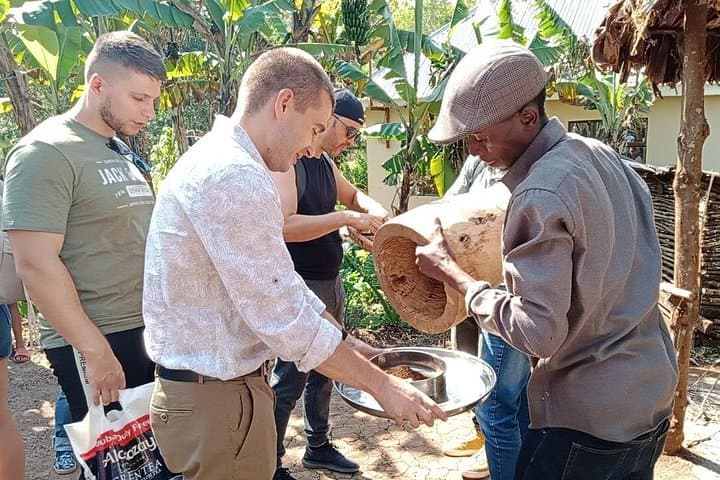
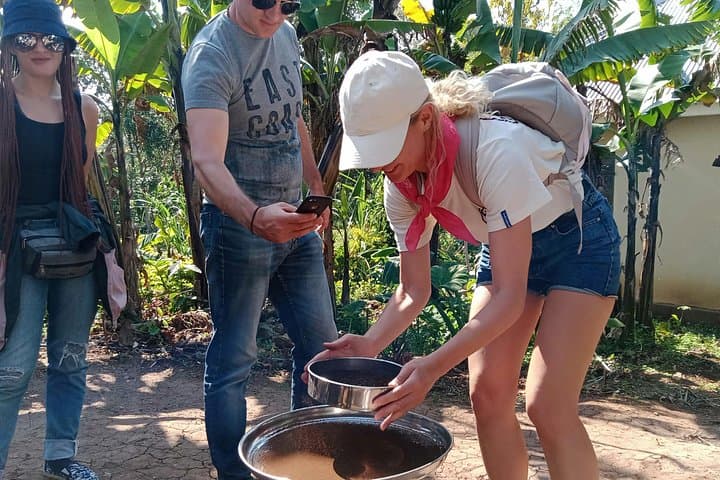
On the short guided trek you’ll learn the traditional coffee-processing steps: picking, pulping, fermenting, and roasting over a wood fire. The waterfall itself drops into a cool plunge pool that tempts willing swimmers and photographers; the sound of falling water pushes you forward and keeps you present.
Practical: tours are typically half-day, include private transport from Moshi, a guided walk of 30–60 minutes each way on uneven but well-established trails, and lunch. Wear grippy shoes and expect muddy sections in the rainy season. Bring cash for local purchases and small donations if you plan to support village programs — contributions are best delivered through the guide for direct impact. Arrive early to avoid mid-day heat and to get the clearest views of the mountain.
easy.
4–6 hours.
Suitable for travelers with basic fitness; involves several short walks and a moderate uphill/ downhill section.
The guided walk from the village trailhead is typically 30–60 minutes one way depending on pace and stops for coffee demonstrations.
Yes — swimming in the plunge pool is usually permitted; water can be cold and currents vary, so follow your guide’s advice.
Yes — the tour is family-friendly and marketed as suitable for all fitness levels, but those with mobility issues should note there are uneven steps and slopes.
Yes — most tours include a hands-on demonstration of traditional Chagga coffee processing and a chance to roast and taste the brew.
Materuni lies within Chagga territory; the Chagga developed extensive terrace agriculture and irrigation techniques centuries ago to farm the mountain slopes.
Tourism supports smallholder farmers, but stick to marked paths and avoid single-use plastics — village programs favor direct donations routed through guides to ensure transparent aid.
Kilimanjaro Climbing & Big 5 Tanzania Safaris Operator operates guided outdoor trips and adventures with an emphasis on safety, stewardship, and memorable experiences.
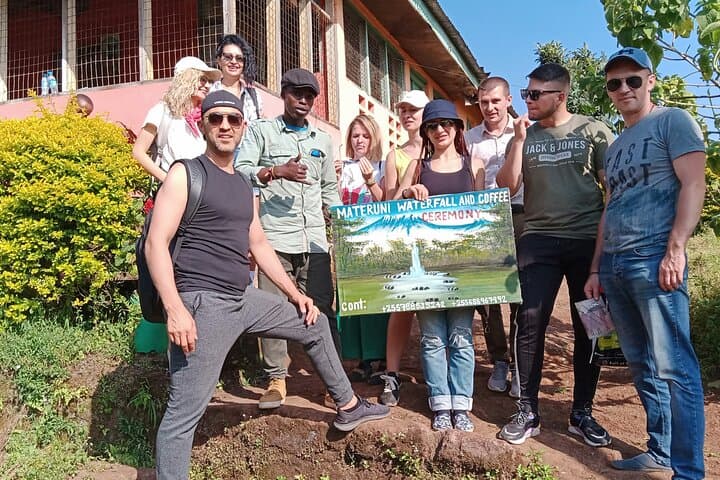
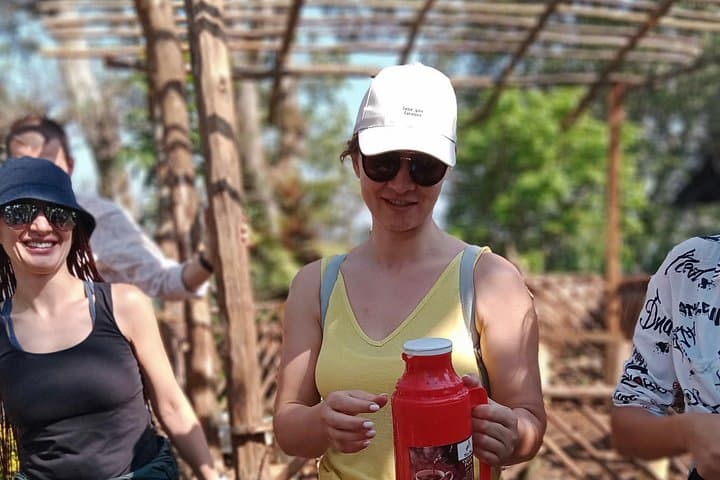
You arrive on a narrow road where banana leaves and cassava fields lean toward the mountain’s shade, and the outline of Kilimanjaro looms like a slow-moving weather system. The guide greets you in Swahili, offers a steaming cup of freshly brewed coffee, and the village exhales — smoke from cooking fires, chatter, and the distant rumble of water.
You arrive on a narrow road where banana leaves and cassava fields lean toward the mountain’s shade, and the outline of Kilimanjaro looms like a slow-moving weather system. The guide greets you in Swahili, offers a steaming cup of freshly brewed coffee, and the village exhales — smoke from cooking fires, chatter, and the distant rumble of water.
Materuni sits on Kilimanjaro’s lower slopes, a settlement shaped by volcanic soils and seasonal streams. The path to Materuni Waterfall follows old foot trails cut through coffee terraces and avocado trees; geology here is volcanic ash and lava-soaked soils that support the region’s coffee culture. The Chagga people have farmed these slopes for generations — their terraced fields and traditional homesteads are practical responses to steep terrain and heavy rains.
On the short guided trek you’ll learn the traditional coffee-processing steps: picking, pulping, fermenting, and roasting over a wood fire. The waterfall itself drops into a cool plunge pool that tempts willing swimmers and photographers; the sound of falling water pushes you forward and keeps you present.
Practical: tours are typically half-day, include private transport from Moshi, a guided walk of 30–60 minutes each way on uneven but well-established trails, and lunch. Wear grippy shoes and expect muddy sections in the rainy season. Bring cash for local purchases and small donations if you plan to support village programs — contributions are best delivered through the guide for direct impact. Arrive early to avoid mid-day heat and to get the clearest views of the mountain.