THE ADVENTURE COLLECTIVE® · Independent discovery and booking for outdoor travel

Spend a full day from Arusha hiking to Materuni Waterfalls, learning traditional Chagga coffee processing, swimming in the turquoise Kikuletwa Hot Springs, and visiting a serval sanctuary. Expect a varied day of hiking, cultural insight, and cooling pools.
Spend a full day from Arusha hiking to Materuni Waterfalls, learning traditional Chagga coffee processing, swimming in the turquoise Kikuletwa Hot Springs, and visiting a serval sanctuary. Expect a varied day of hiking, cultural insight, and cooling pools.
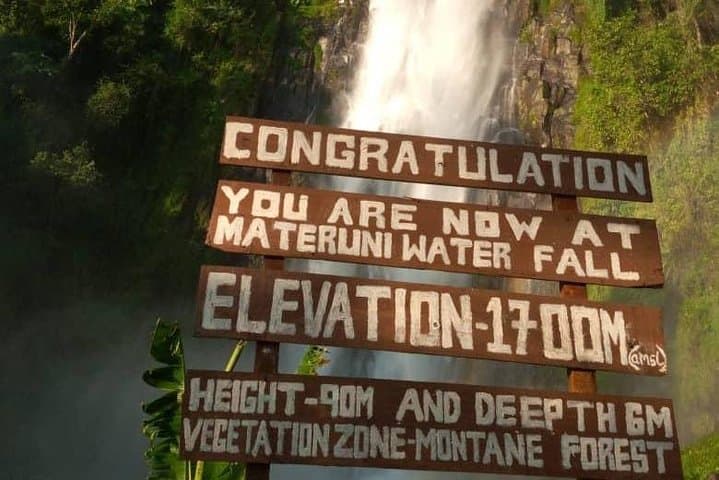
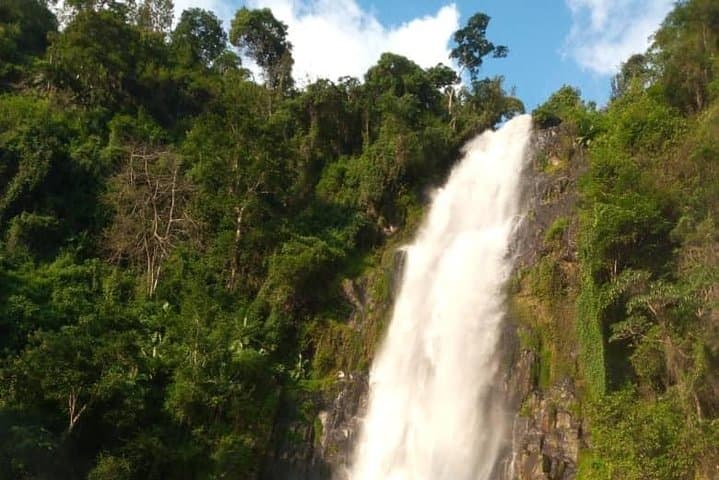
On a clear morning departure from Arusha, the road loosens the city into open foothills and the air takes on a cooler, higher pitch from Mount Kilimanjaro. The Materuni trail slips between smallholdings and banana terraces, the path brushing past Chagga homesteads before dropping into a glade where the waterfall announces itself with steady, pulsing thunder.
Verified experiences and guided adventures in the surrounding area.
Operated by Moorland Safari and Trekking · Arusha, Arusha Region
On a clear morning departure from Arusha, the road loosens the city into open foothills and the air takes on a cooler, higher pitch from Mount Kilimanjaro. The Materuni trail slips between smallholdings and banana terraces, the path brushing past Chagga homesteads before dropping into a glade where the waterfall announces itself with steady, pulsing thunder.
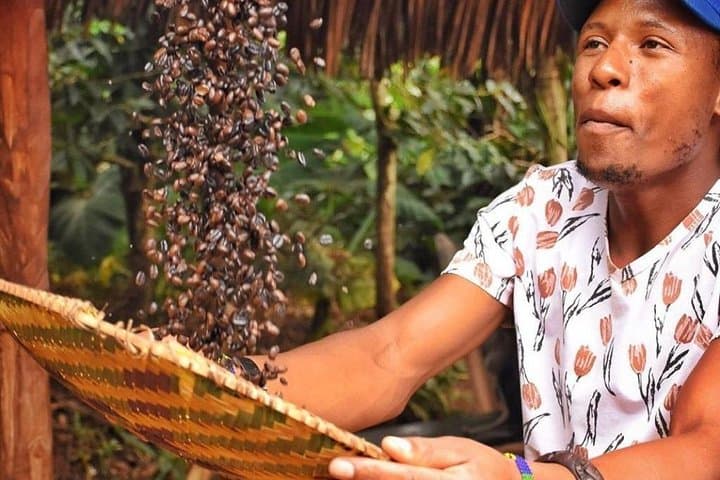
The falls drain Kibo’s snowmelt through mossed volcanic rock; geology here is volcanic soils over ancient lava flows that feed clear pools and fast gullies. The Chagga have grown coffee on these slopes for generations—coffee culture is both livelihood and ritual, and the tour’s farm visit walks through cultivation, pulping and roasting steps so visitors see the full bean-to-cup arc.
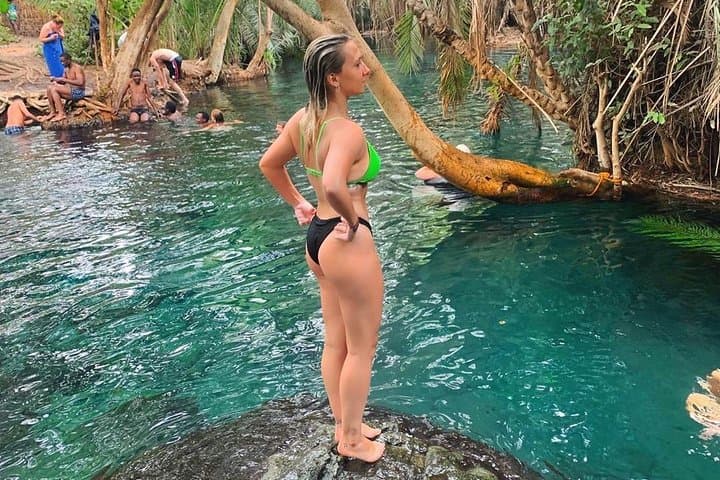
After lunch—typically a Chagga buffet—the day moves to Kikuletwa (Chemka) Hot Springs, where turquoise pools bubble through limestone and invite cooling swims. A nearby wildlife sanctuary cares for serval cats rescued from captivity; sightings there are controlled and educational rather than wild encounters.
Practical guide: expect a roughly 1-hour uphill-and-down trail to the falls, uneven volcanic and dirt surfaces, and a full 10–12 hour day with hotel pickup. Bring a swimsuit and towel for the springs, a light rain layer during the long-rains season, cash for village purchases, and a small daypack. Trails are short but can be steep; guides share local history, farming techniques, and safety for swimming in natural pools. This itinerary blends hands-on coffee tasting, a brisk waterfall hike, a restorative hot-spring dip, and a respectful, conservation-minded wildlife visit.
moderate.
10–12 hours.
Suitable for people comfortable with a 1-hour uneven uphill hike and a full day of activity; moderate stamina recommended
The trail is roughly an hour each way for most groups, over uneven volcanic soil and village paths; total on-trail time is about 1–2 hours including stops.
Yes—swimming is commonly allowed at both the waterfall pool and Kikuletwa Hot Springs; always follow your guide’s safety advice about currents and depth.
Yes—the tour includes a local Chagga lunch buffet and a hands-on coffee demonstration where you roast and prepare coffee.
Servals are part of a nearby sanctuary visit—sightings are in a managed, educational setting rather than guaranteed wild sightings in open bush.
The Chagga people have farmed coffee on Kilimanjaro’s foothills for generations; coffee cultivation shaped local terrace farming and village life.
Support community-based farms and the sanctuary—stay on marked trails, avoid single-use plastics, and respect wildlife viewing rules to help local conservation efforts.
Moorland Safari and Trekking operates guided outdoor trips and adventures with an emphasis on safety, stewardship, and memorable experiences.
On a clear morning departure from Arusha, the road loosens the city into open foothills and the air takes on a cooler, higher pitch from Mount Kilimanjaro. The Materuni trail slips between smallholdings and banana terraces, the path brushing past Chagga homesteads before dropping into a glade where the waterfall announces itself with steady, pulsing thunder.
On a clear morning departure from Arusha, the road loosens the city into open foothills and the air takes on a cooler, higher pitch from Mount Kilimanjaro. The Materuni trail slips between smallholdings and banana terraces, the path brushing past Chagga homesteads before dropping into a glade where the waterfall announces itself with steady, pulsing thunder.
The falls drain Kibo’s snowmelt through mossed volcanic rock; geology here is volcanic soils over ancient lava flows that feed clear pools and fast gullies. The Chagga have grown coffee on these slopes for generations—coffee culture is both livelihood and ritual, and the tour’s farm visit walks through cultivation, pulping and roasting steps so visitors see the full bean-to-cup arc.
After lunch—typically a Chagga buffet—the day moves to Kikuletwa (Chemka) Hot Springs, where turquoise pools bubble through limestone and invite cooling swims. A nearby wildlife sanctuary cares for serval cats rescued from captivity; sightings there are controlled and educational rather than wild encounters.
Practical guide: expect a roughly 1-hour uphill-and-down trail to the falls, uneven volcanic and dirt surfaces, and a full 10–12 hour day with hotel pickup. Bring a swimsuit and towel for the springs, a light rain layer during the long-rains season, cash for village purchases, and a small daypack. Trails are short but can be steep; guides share local history, farming techniques, and safety for swimming in natural pools. This itinerary blends hands-on coffee tasting, a brisk waterfall hike, a restorative hot-spring dip, and a respectful, conservation-minded wildlife visit.