THE ADVENTURE COLLECTIVE® · Independent discovery and booking for outdoor travel

A half-day escape from Moshi that pairs a short, scenic trek to Materuni Waterfall with a soothing dip at Chemka Hot Springs. Expect forest paths, coffee-culture stops, and clear warm pools—an accessible mix of activity and relaxation.
A half-day escape from Moshi that pairs a short, scenic trek to Materuni Waterfall with a soothing dip at Chemka Hot Springs. Expect forest paths, coffee-culture stops, and clear warm pools—an accessible mix of activity and relaxation.
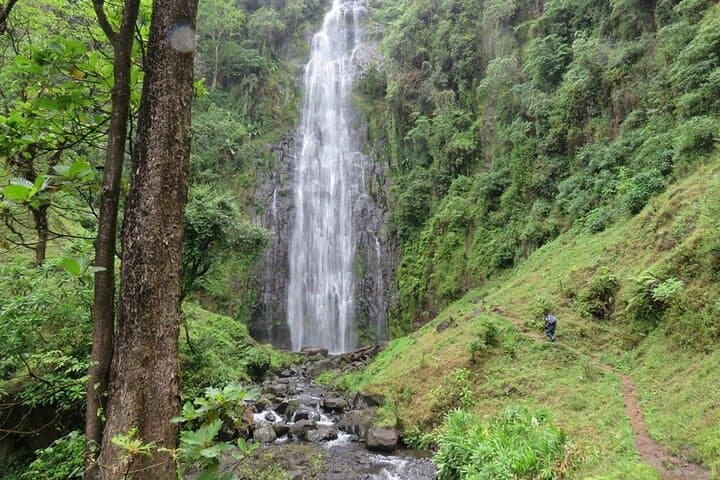
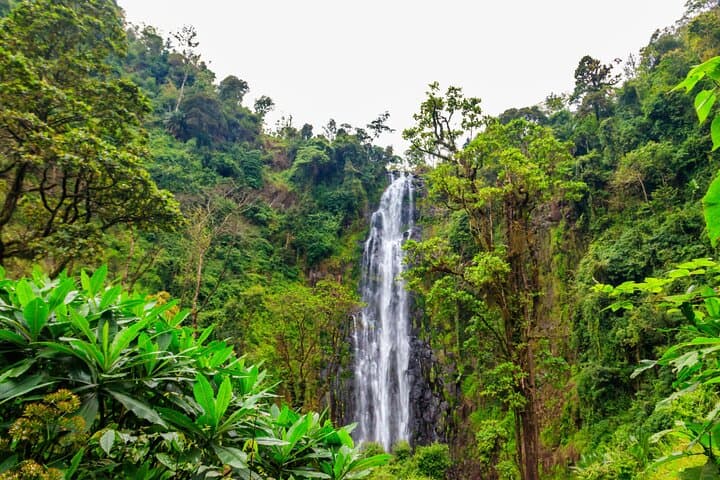
A morning light threads through coffee trees as the trail to Materuni opens—mist hovering like a hand over the valley, and the waterfall ahead sending a cool, insistent voice down the ravine. The hike begins on packed earth and stone steps, moving from cultivated terraces into moss-dark forest where ferns and banana palms press close. The cascade announces itself before it appears, daring you forward with spray and low thunder.
Verified experiences and guided adventures in the surrounding area.
Operated by Meremeta Safaris · Moshi, Kilimanjaro Region
A morning light threads through coffee trees as the trail to Materuni opens—mist hovering like a hand over the valley, and the waterfall ahead sending a cool, insistent voice down the ravine. The hike begins on packed earth and stone steps, moving from cultivated terraces into moss-dark forest where ferns and banana palms press close. The cascade announces itself before it appears, daring you forward with spray and low thunder.
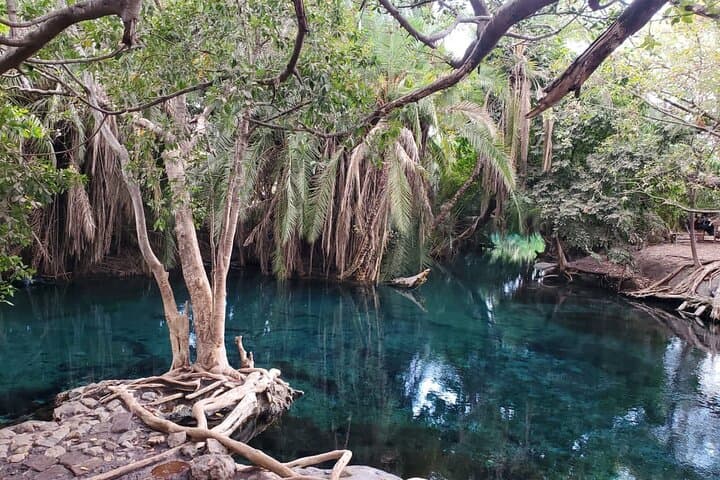
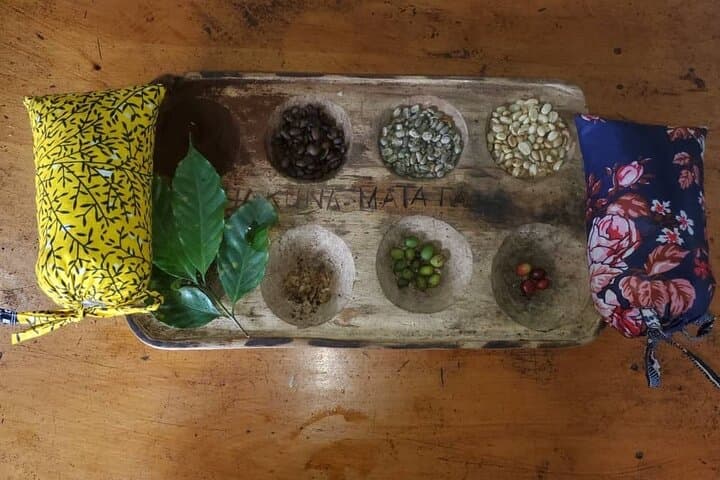
This route runs along the southern slopes of Mount Kilimanjaro, through land shaped by volcanic soils and centuries of Chagga agriculture; local families have farmed coffee here for generations, and many tours include a short coffee demonstration that explains traditional roasting and pulping methods. Geologically, the falls and springs rely on porous volcanic layers that channel groundwater—Materuni drops over a resistant rock ledge while Chemka (Kikuletwa) bubbles up from an aquifer to form clear, warm pools ringed by palms.
Expect a compact trek—roughly 1–2 miles round trip with several hundred feet of elevation change—on uneven, sometimes wet trail, rewarded by a plunge pool and a chance to cool off. Chemka’s spring invites a lazy soak and a shaded picnic spot; its water feels like a hand that steadies you after the walk.
Practical guidance: wear grippy shoes, bring swimwear, and carry cash for local guides and refreshments. Start early to avoid mid-day heat and crowds, and pack out waste—these sites are small and vulnerable. With basic fitness and respect for the landscape and local culture, this day trip delivers both an energetic hike and restorative water time in the shadow of Kilimanjaro.
moderate.
6–7 hours.
Suitable for most people with basic fitness; comfortable walking for several hours and negotiating stairs and uneven ground.
The round-trip hike is typically 1–2 miles with several hundred feet of elevation change, taking about 45–90 minutes depending on pace and stops.
Swimming is generally allowed at Chemka Hot Springs and often possible in calmer pools at Materuni; always follow guide instructions for safety and respect local signage.
Yes—bring Tanzanian shillings for small purchases, tips, and any extras; some rural vendors do not accept cards.
Materuni involves stairs and uneven paths that can be challenging for limited mobility; Chemka’s flat pool area is more accessible—check with your operator about infant seats or transport options.
The area is home to the Chagga people whose terraced farms and coffee cultivation have shaped the slopes of Kilimanjaro for centuries.
Both sites are sensitive to litter and overuse; visitors should avoid soaps in the water, stick to paths, and support local conservation and community enterprises.
Meremeta Safaris operates guided outdoor trips and adventures with an emphasis on safety, stewardship, and memorable experiences.
A morning light threads through coffee trees as the trail to Materuni opens—mist hovering like a hand over the valley, and the waterfall ahead sending a cool, insistent voice down the ravine. The hike begins on packed earth and stone steps, moving from cultivated terraces into moss-dark forest where ferns and banana palms press close. The cascade announces itself before it appears, daring you forward with spray and low thunder.
A morning light threads through coffee trees as the trail to Materuni opens—mist hovering like a hand over the valley, and the waterfall ahead sending a cool, insistent voice down the ravine. The hike begins on packed earth and stone steps, moving from cultivated terraces into moss-dark forest where ferns and banana palms press close. The cascade announces itself before it appears, daring you forward with spray and low thunder.
This route runs along the southern slopes of Mount Kilimanjaro, through land shaped by volcanic soils and centuries of Chagga agriculture; local families have farmed coffee here for generations, and many tours include a short coffee demonstration that explains traditional roasting and pulping methods. Geologically, the falls and springs rely on porous volcanic layers that channel groundwater—Materuni drops over a resistant rock ledge while Chemka (Kikuletwa) bubbles up from an aquifer to form clear, warm pools ringed by palms.
Expect a compact trek—roughly 1–2 miles round trip with several hundred feet of elevation change—on uneven, sometimes wet trail, rewarded by a plunge pool and a chance to cool off. Chemka’s spring invites a lazy soak and a shaded picnic spot; its water feels like a hand that steadies you after the walk.
Practical guidance: wear grippy shoes, bring swimwear, and carry cash for local guides and refreshments. Start early to avoid mid-day heat and crowds, and pack out waste—these sites are small and vulnerable. With basic fitness and respect for the landscape and local culture, this day trip delivers both an energetic hike and restorative water time in the shadow of Kilimanjaro.