THE ADVENTURE COLLECTIVE® · Independent discovery and booking for outdoor travel

Spend a day with the Chagga people: learn coffee from bean to cup, hike a short steep trail to Materuni Falls and cool off at the reed-fringed Chemka hot springs. This active day trip mixes culture, short technical hiking and refreshing swims near Moshi.
Spend a day with the Chagga people: learn coffee from bean to cup, hike a short steep trail to Materuni Falls and cool off at the reed-fringed Chemka hot springs. This active day trip mixes culture, short technical hiking and refreshing swims near Moshi.
The day begins with the scent of fresh-roasted coffee drifting down a ridge as villagers move through terraces beneath Kilimanjaro’s shadow. You step from Moshi into narrow lanes, passing banana and maize plots, and the Chagga homesteads where coffee cherries turn from green to a deep, raisin-red — the first act in a day that moves from cultivation to cascade to cool spring.
Verified experiences and guided adventures in the surrounding area.
Operated by MORAKA AFRICA SAFARIS · Moshi, Kilimanjaro Region
The day begins with the scent of fresh-roasted coffee drifting down a ridge as villagers move through terraces beneath Kilimanjaro’s shadow. You step from Moshi into narrow lanes, passing banana and maize plots, and the Chagga homesteads where coffee cherries turn from green to a deep, raisin-red — the first act in a day that moves from cultivation to cascade to cool spring.
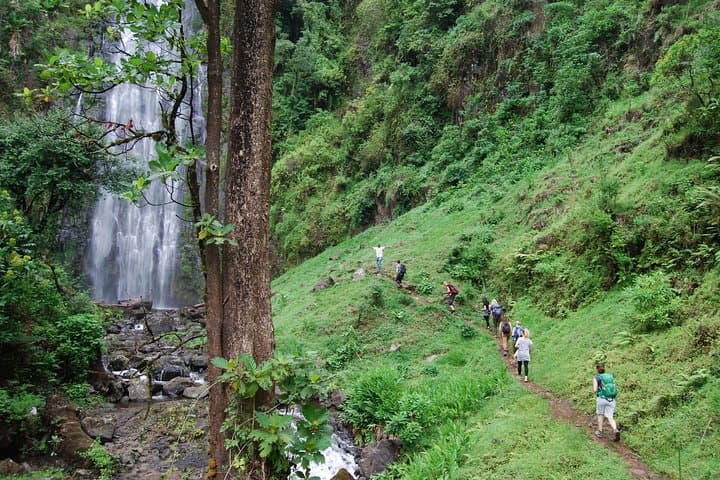
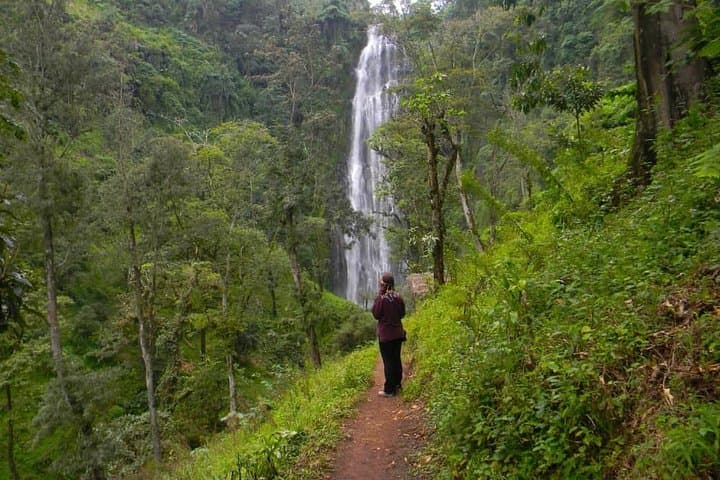
Materuni’s short trail climbs steep, sometimes muddy switchbacks—expect 1.5–2 km each way with roughly 150–300 m of elevation gain—through shaded forest, passing small farms and chickens with purpose. Your guide explains Chagga coffee methods: picking, pulping, sun-drying, roasting and the final, hands-on cup. History here is agricultural; the Chagga engineered terraced gardens on volcanic soils that feed the region and shape local culture.
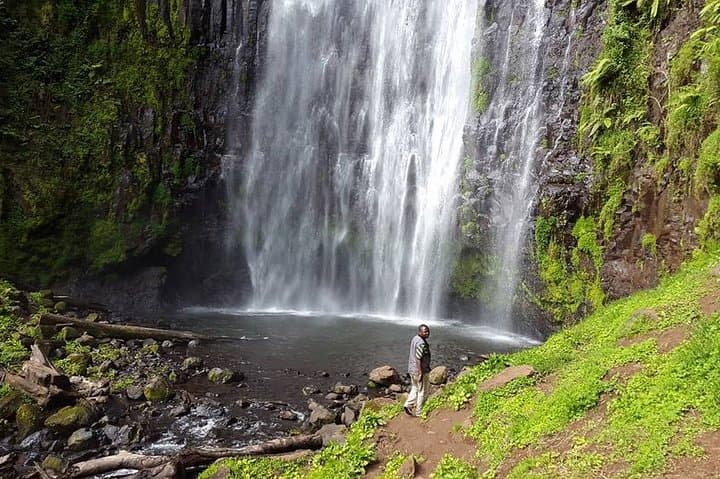
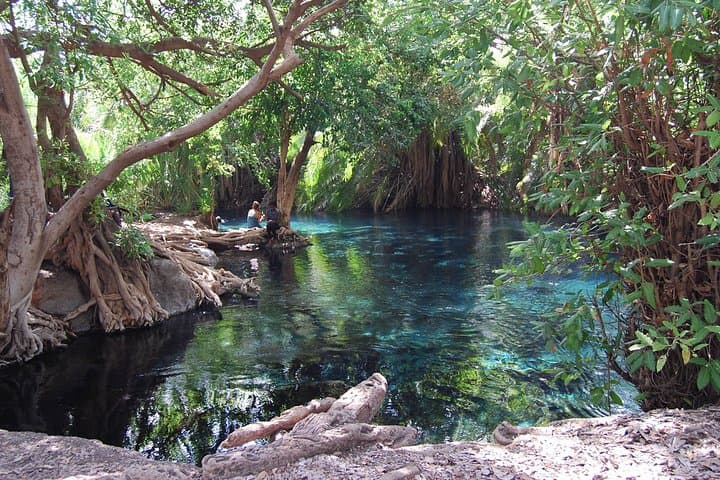
The falls arrive with a rush: a clean curtain of water, a deep plunge pool and a current that seems to dare you into the chill. After a picnic lunch—often a prepared spread of local staples—you move to Chemka (Kikuletwa) hot springs for a gentler water experience where clear, warm pools and reed-fringed channels invite floating and swimming.
Practical notes: wear sturdy shoes for mud and steep sections, bring a swimsuit, quick-dry towel and sun protection. The day runs roughly 6–7 hours door-to-door; transport options include a local dala dala for a more authentic transfer or a private car for comfort. Respect village customs, carry small cash for tips and purchases, and follow your guide to minimize trail impact.
moderate.
6–7 hours.
Moderate fitness: able to handle short steep sections, uneven footing and several hundred metres of cumulative elevation change.
The trail is short but steep—typically 1.5–2 km each way with 150–300 m of elevation gain; plan for uneven, sometimes muddy terrain.
Yes—many groups offer the option to travel by dala dala (local minibus) for a more authentic experience, though private transfers are also available for comfort and speed.
Both spots are popular for swimming, but water can be cold beneath the falls and pool bottoms may be uneven—always follow your guide’s advice and enter slowly.
Lunch is included in most tours, ranging from a packed box to a cooked spread; basic restroom facilities are available at village stops but expect rustic conditions.
The Chagga people shaped these foothills with irrigated terraces and coffee cultivation for centuries; coffee remains central to local economy and culture.
Stay on established paths, avoid single-use plastics and support local guides to ensure communities benefit directly from tourism.
MORAKA AFRICA SAFARIS operates guided outdoor trips and adventures with an emphasis on safety, stewardship, and memorable experiences.
The day begins with the scent of fresh-roasted coffee drifting down a ridge as villagers move through terraces beneath Kilimanjaro’s shadow. You step from Moshi into narrow lanes, passing banana and maize plots, and the Chagga homesteads where coffee cherries turn from green to a deep, raisin-red — the first act in a day that moves from cultivation to cascade to cool spring.
The day begins with the scent of fresh-roasted coffee drifting down a ridge as villagers move through terraces beneath Kilimanjaro’s shadow. You step from Moshi into narrow lanes, passing banana and maize plots, and the Chagga homesteads where coffee cherries turn from green to a deep, raisin-red — the first act in a day that moves from cultivation to cascade to cool spring.
Materuni’s short trail climbs steep, sometimes muddy switchbacks—expect 1.5–2 km each way with roughly 150–300 m of elevation gain—through shaded forest, passing small farms and chickens with purpose. Your guide explains Chagga coffee methods: picking, pulping, sun-drying, roasting and the final, hands-on cup. History here is agricultural; the Chagga engineered terraced gardens on volcanic soils that feed the region and shape local culture.
The falls arrive with a rush: a clean curtain of water, a deep plunge pool and a current that seems to dare you into the chill. After a picnic lunch—often a prepared spread of local staples—you move to Chemka (Kikuletwa) hot springs for a gentler water experience where clear, warm pools and reed-fringed channels invite floating and swimming.
Practical notes: wear sturdy shoes for mud and steep sections, bring a swimsuit, quick-dry towel and sun protection. The day runs roughly 6–7 hours door-to-door; transport options include a local dala dala for a more authentic transfer or a private car for comfort. Respect village customs, carry small cash for tips and purchases, and follow your guide to minimize trail impact.