THE ADVENTURE COLLECTIVE® · Independent discovery and booking for outdoor travel

Share a rustic lunch beneath centuries-old olive trees and learn to make cialledda — Matera’s bread salad — paired with Primitivo and Slow Food specialties. This two- to three-hour lab blends hands-on cooking, local history and folk music on the Murgia plateau.
Share a rustic lunch beneath centuries-old olive trees and learn to make cialledda — Matera’s bread salad — paired with Primitivo and Slow Food specialties. This two- to three-hour lab blends hands-on cooking, local history and folk music on the Murgia plateau.
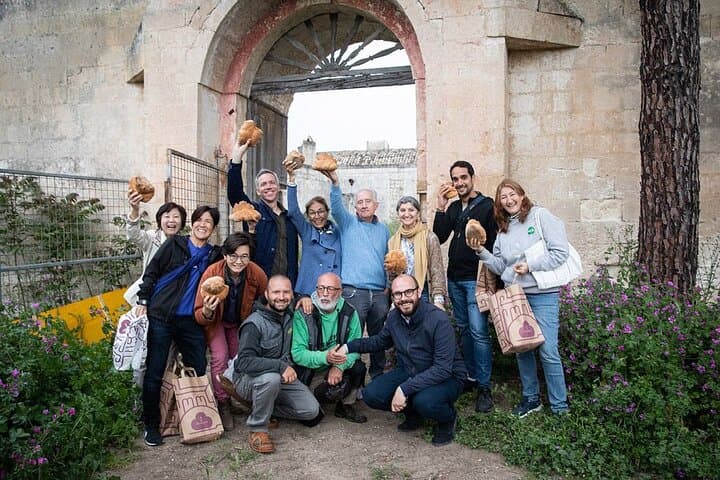
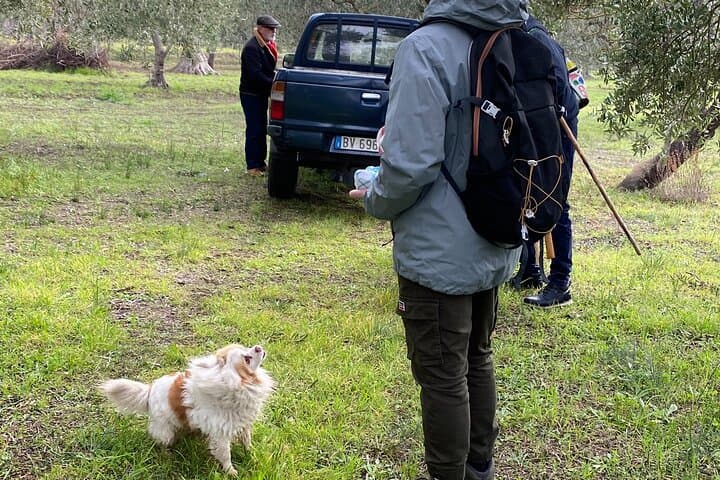
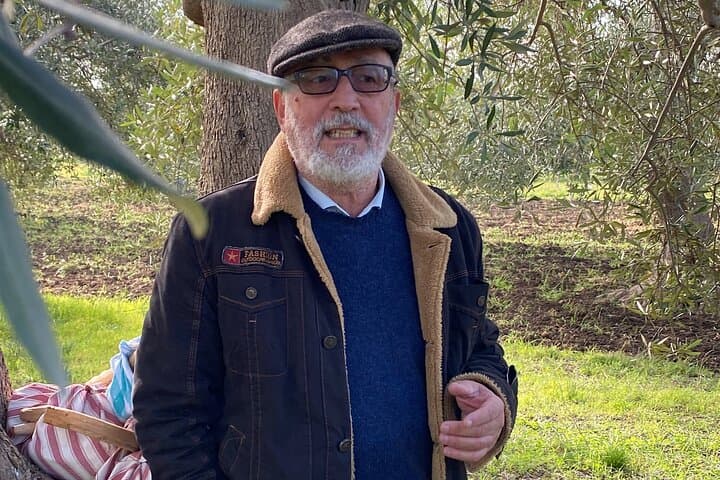
Morning light sifts through knotted branches as you step under the patriarch olive, ancient limbs casting patchwork shade across a limestone track. The tour moves slowly — a short walk to carved caverns, a warm laboratory beside an old wood oven, then a low table where hands learn the practical art of cialledda and bread renewed.
Verified experiences and guided adventures in the surrounding area.
Operated by Francesco Linzalone · Matera, Basilicata
Morning light sifts through knotted branches as you step under the patriarch olive, ancient limbs casting patchwork shade across a limestone track. The tour moves slowly — a short walk to carved caverns, a warm laboratory beside an old wood oven, then a low table where hands learn the practical art of cialledda and bread renewed.
This place sits on the Murgia, a karst plateau whose limestone shapes the caves and dry-stone walls around Matera. Olive cultivation here is centuries old; some trees predate modern mapping and still yield a peppery, grassy oil. Local culture folds food, song and seasonal work together: pickers once ate the same simple meals you’ll recreate, and the area’s Slow Food presidia protect small-production cheeses (Caciocavallo Podolico), Ferrandina baked olives and Pezzente salami.
Expect a sensory, social workshop — kneading stale Matera bread, chopping summer tomatoes or winter greens depending on season, and sharing the finished cialledda with Primitivo wine and folk music in the background. The route is short and mostly level, but surfaces are uneven and shaded only in parts.
Practical notes: bring closed-toe shoes and sun protection, advise hosts in advance about allergies, and arrive with an appetite rather than a rigid schedule. The experience suits travelers who want hands-on food history, regional wine tasting, and a tangible connection to how rural Lucanian food traditions were — and still are — made.
easy.
2–3 hours.
Suitable for most fitness levels; involves short walks and standing in a food workshop.
Meeting details are provided at booking; most tours start at a countryside point reachable by a short drive from central Matera—confirm transport options in advance.
Yes; the activity is hands-on and family-friendly, but children should be supervised around the oven and during food preparation.
Hosts can usually accommodate common allergies and vegetarian needs if notified before the tour—declare restrictions at booking.
The tour may be canceled or moved indoors if conditions make access unsafe; check the cancellation policy and confirm on the day if weather looks poor.
Olive cultivation and cave-dwelling life in the Matera area go back centuries; the Sassi and nearby farmhouse caverns reflect continuous rural occupation of the Murgia plateau.
Many local producers are part of Slow Food presidia to protect heritage breeds and products; visitors should avoid picking olives or disturbing trees and leave no trace.
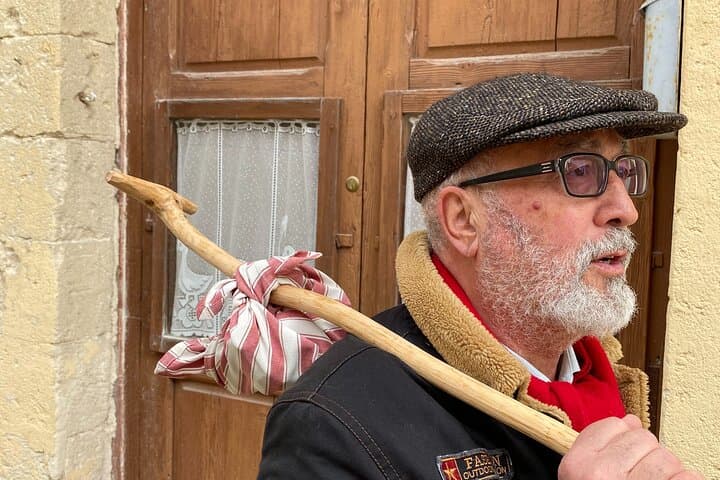
Francesco Linzalone operates guided outdoor trips and adventures with an emphasis on safety, stewardship, and memorable experiences.
Morning light sifts through knotted branches as you step under the patriarch olive, ancient limbs casting patchwork shade across a limestone track. The tour moves slowly — a short walk to carved caverns, a warm laboratory beside an old wood oven, then a low table where hands learn the practical art of cialledda and bread renewed.
Morning light sifts through knotted branches as you step under the patriarch olive, ancient limbs casting patchwork shade across a limestone track. The tour moves slowly — a short walk to carved caverns, a warm laboratory beside an old wood oven, then a low table where hands learn the practical art of cialledda and bread renewed.
This place sits on the Murgia, a karst plateau whose limestone shapes the caves and dry-stone walls around Matera. Olive cultivation here is centuries old; some trees predate modern mapping and still yield a peppery, grassy oil. Local culture folds food, song and seasonal work together: pickers once ate the same simple meals you’ll recreate, and the area’s Slow Food presidia protect small-production cheeses (Caciocavallo Podolico), Ferrandina baked olives and Pezzente salami.
Expect a sensory, social workshop — kneading stale Matera bread, chopping summer tomatoes or winter greens depending on season, and sharing the finished cialledda with Primitivo wine and folk music in the background. The route is short and mostly level, but surfaces are uneven and shaded only in parts.
Practical notes: bring closed-toe shoes and sun protection, advise hosts in advance about allergies, and arrive with an appetite rather than a rigid schedule. The experience suits travelers who want hands-on food history, regional wine tasting, and a tangible connection to how rural Lucanian food traditions were — and still are — made.