THE ADVENTURE COLLECTIVE® · Independent discovery and booking for outdoor travel

Paddle the Matanzas River from historic Genung’s Fish Camp to watch dolphins and sea turtles in a dynamic tidal lagoon. This two-hour guided kayak tour blends wildlife viewing with local conservation insight and hands-on paddling instruction.
Paddle the Matanzas River from historic Genung’s Fish Camp to watch dolphins and sea turtles in a dynamic tidal lagoon. This two-hour guided kayak tour blends wildlife viewing with local conservation insight and hands-on paddling instruction.
A morning on the Matanzas River begins with the metallic creak of a drawbridge, salt in the air and the hush of mangroves lining a tidal lagoon. Paddlers push off from Genung’s Fish Camp beneath SR 206 and slip into water that alternates between glassy calm and a quick-moving current that seems to test your paddle stroke. Dolphins arc just beyond the channel; sea turtles surface with slow, inevitable patience.
Verified experiences and guided adventures in the surrounding area.
Operated by GeoTrippin' Kayak Adventures · St. Augustine Beach, Florida
A morning on the Matanzas River begins with the metallic creak of a drawbridge, salt in the air and the hush of mangroves lining a tidal lagoon. Paddlers push off from Genung’s Fish Camp beneath SR 206 and slip into water that alternates between glassy calm and a quick-moving current that seems to test your paddle stroke. Dolphins arc just beyond the channel; sea turtles surface with slow, inevitable patience.
The Matanzas has long been a working waterway — Spanish explorers, colonial fisheries, and local fishermen shaped its shores. Geology here is flat and marine: shallow oyster flats, sandy bars exposed at low tide, and winding creeks carved through coastal marsh. The area’s maritime culture centers on small-scale fishing and stewardship; the Matanzas River Keeper operates nearby and Genung’s Fish Camp has served the community since 1948.
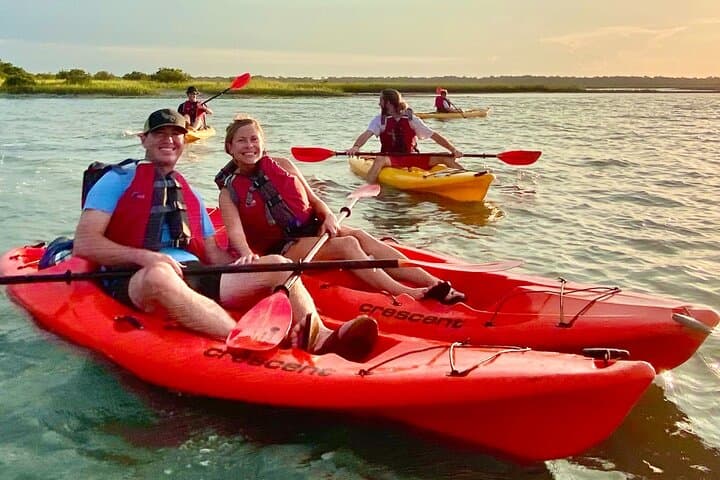
On this two-hour guided paddle, expect close wildlife encounters (from a distance), dense mangrove tunnels in Moses Creek, and interpretive commentary on local ecology. Guides teach basic paddling and leave-no-trace practices so sightings don’t become disturbances.
Practical notes: arrive at the kayak launch two blocks off A1A to check in and top up water. Wear reef-safe sunscreen, a hat, and secure footwear — oyster shells are common on shorelines. Beginners fare well here thanks to guided instruction, but tides and wind can change conditions quickly; plan mid-tide windows and ask your guide about currents when booking. Bring a dry bag for phone and camera, and tip guides for attentive local knowledge.
moderate.
2 hours.
Moderate fitness; core and shoulder endurance helpful for sustained paddling, but routes accommodate beginners with guided support
No — guides provide basic instruction and the tour is suitable for first-time paddlers, though a moderate fitness level helps.
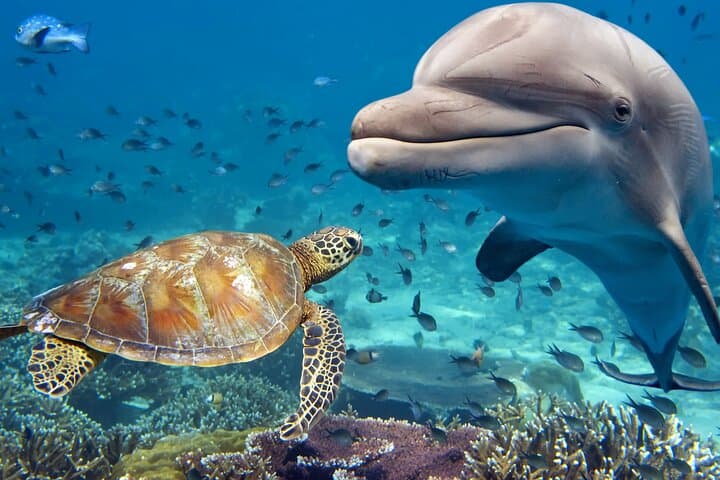
Common sightings include bottlenose dolphins, loggerhead sea turtles, and frequent shore and marsh birds; sightings are never guaranteed.
Meet at Genung’s Fish Camp Kayak Launch at the end of Cubbedge Rd, two blocks across A1A from Crescent Beach Park near the SR 206 drawbridge; parking and a bait shop are on site.
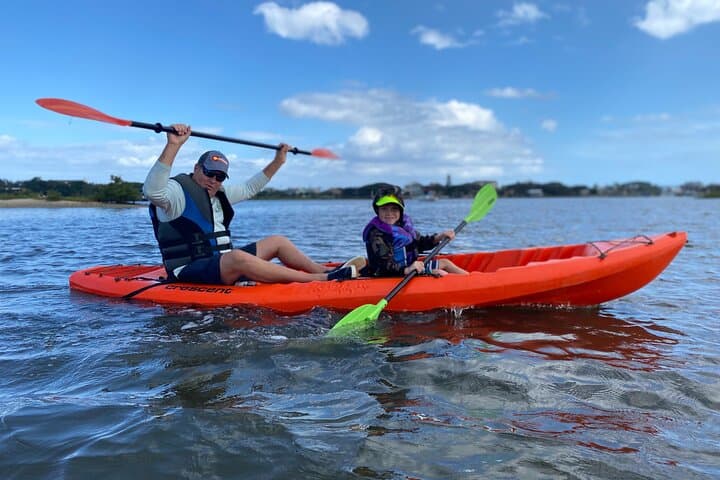
Children can join if they meet weight/size requirements and are supervised; check operator age/weight restrictions when booking.
Genung’s Fish Camp has been a local landmark since 1948, and the Matanzas River carries Spanish colonial history — its name recalls a 16th-century clash between explorers and indigenous peoples.
Operators emphasize distance from wildlife, reef-safe sunscreen, and avoiding trawling through seagrass; the Matanzas River Keeper advocates for water-quality monitoring and responsible access.
GeoTrippin' Kayak Adventures operates guided outdoor trips and adventures with an emphasis on safety, stewardship, and memorable experiences.
A morning on the Matanzas River begins with the metallic creak of a drawbridge, salt in the air and the hush of mangroves lining a tidal lagoon. Paddlers push off from Genung’s Fish Camp beneath SR 206 and slip into water that alternates between glassy calm and a quick-moving current that seems to test your paddle stroke. Dolphins arc just beyond the channel; sea turtles surface with slow, inevitable patience.
A morning on the Matanzas River begins with the metallic creak of a drawbridge, salt in the air and the hush of mangroves lining a tidal lagoon. Paddlers push off from Genung’s Fish Camp beneath SR 206 and slip into water that alternates between glassy calm and a quick-moving current that seems to test your paddle stroke. Dolphins arc just beyond the channel; sea turtles surface with slow, inevitable patience.
The Matanzas has long been a working waterway — Spanish explorers, colonial fisheries, and local fishermen shaped its shores. Geology here is flat and marine: shallow oyster flats, sandy bars exposed at low tide, and winding creeks carved through coastal marsh. The area’s maritime culture centers on small-scale fishing and stewardship; the Matanzas River Keeper operates nearby and Genung’s Fish Camp has served the community since 1948.
On this two-hour guided paddle, expect close wildlife encounters (from a distance), dense mangrove tunnels in Moses Creek, and interpretive commentary on local ecology. Guides teach basic paddling and leave-no-trace practices so sightings don’t become disturbances.
Practical notes: arrive at the kayak launch two blocks off A1A to check in and top up water. Wear reef-safe sunscreen, a hat, and secure footwear — oyster shells are common on shorelines. Beginners fare well here thanks to guided instruction, but tides and wind can change conditions quickly; plan mid-tide windows and ask your guide about currents when booking. Bring a dry bag for phone and camera, and tip guides for attentive local knowledge.