THE ADVENTURE COLLECTIVE® · Independent discovery and booking for outdoor travel

Drive two hours from Anchorage to walk across one of North America’s largest road-accessible glaciers. This full-day guided hike includes helmets, microspikes and lunch with glacier views — ideal for hikers with steady footing and a sense of adventure.
Drive two hours from Anchorage to walk across one of North America’s largest road-accessible glaciers. This full-day guided hike includes helmets, microspikes and lunch with glacier views — ideal for hikers with steady footing and a sense of adventure.
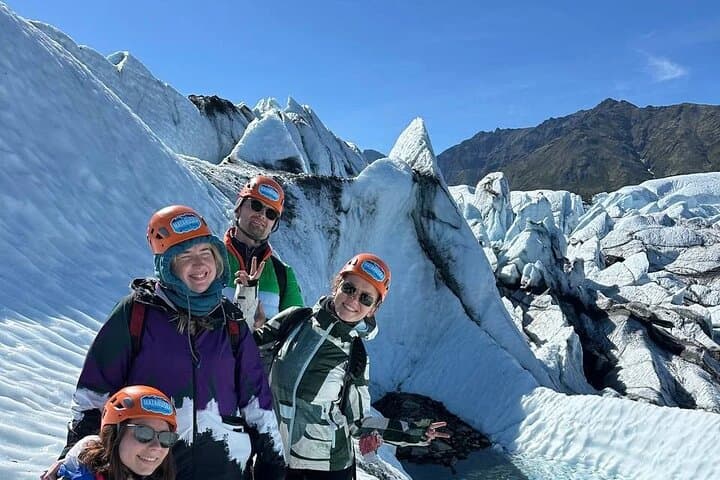
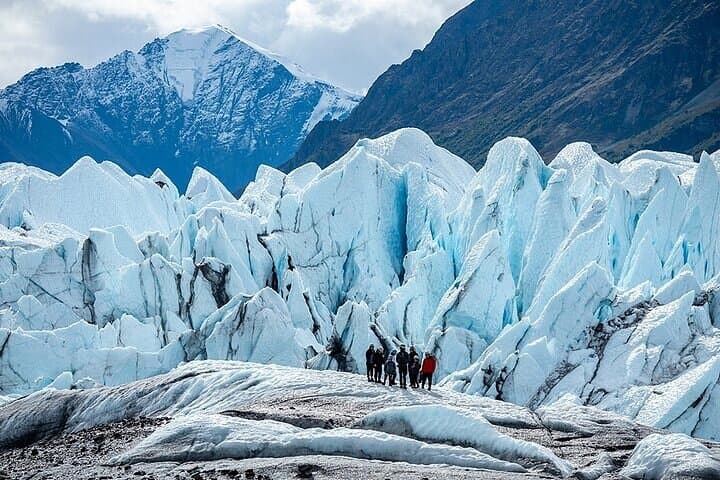
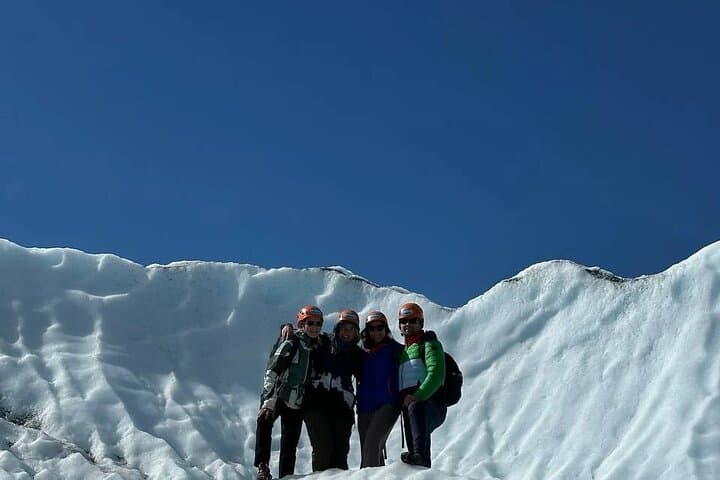
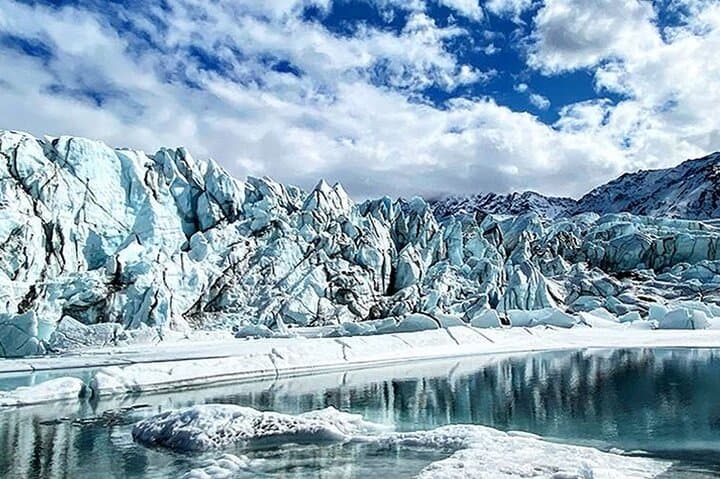
You step out of the van and the air hits differently — sharp, cold and carrying the metallic scent of ice. The Matanuska Glacier sprawls ahead like a living road of blue glass, its crevasses breathing slow exhalations of mist. Guides clip on helmets and microspikes; the ice accepts your steps and then challenges them.
Verified experiences and guided adventures in the surrounding area.
Operated by Alaskan Sights and Bites · Palmer, Alaska
You step out of the van and the air hits differently — sharp, cold and carrying the metallic scent of ice. The Matanuska Glacier sprawls ahead like a living road of blue glass, its crevasses breathing slow exhalations of mist. Guides clip on helmets and microspikes; the ice accepts your steps and then challenges them.
Matanuska is one of Alaska’s largest road-accessible glaciers, a roughly 27-mile river of ice that carved the valley over millennia. Its surface exposes layered histories: compressed snow, ancient melt cycles and the occasional teardrop of meltwater. The glacier sits at the northern edge of the Chugach and Talkeetna foothills, an area shaped by repeated glacial advances and retreats since the Pleistocene.
Local communities around Palmer and the Matanuska Valley have long ties to the land — seasonal subsistence, mining history, and now a growing outdoor recreation economy. Respect for the ice and surrounding riparian zones is part of the culture: stay on routes, pack out waste, and listen to guides who read the glacier like a map.
Practically, expect a full 8‑hour day from Anchorage — roughly two hours each way and 1.5–2 hours on the glacier. Terrain is uneven ice with crevasses and melt pools; guides provide helmets, microspikes and basic instruction. Wear stiff-soled hiking boots, dress in layers for sudden wind and sun exposure, and bring water and a camera with a weatherproof case. If you’re steady on your feet and comfortable with moderate exertion, this is a singular way to experience Alaska’s ice — immediate, physical, and quietly immense.
moderate.
8 hours.
Good cardiovascular fitness and stable balance; knees should tolerate uneven terrain and short steep steps.
The guided glacier walk is about 1.5–2 hours on the ice; the full tour including transit and lunch is roughly 8 hours.
No — guides provide helmets, microspikes and instruction; participants should have moderate fitness and stable balance.
Round-trip transportation from downtown Anchorage, guided glacier hike, helmets and microspikes, snacks, bottled water and a lodge lunch are included.
You can receive a full refund if you cancel at least 24 hours before departure; the operator may cancel for bad weather with a full refund.
Matanuska has been an active sculptor of the valley since the last ice age and is notable as one of the largest glaciers in Alaska accessible by vehicle.
Glacier travel affects fragile margins and meltwater zones — stick to guide-led routes, pack out waste and avoid trampling vegetation to minimize impact.
Alaskan Sights and Bites operates guided outdoor trips and adventures with an emphasis on safety, stewardship, and memorable experiences.
You step out of the van and the air hits differently — sharp, cold and carrying the metallic scent of ice. The Matanuska Glacier sprawls ahead like a living road of blue glass, its crevasses breathing slow exhalations of mist. Guides clip on helmets and microspikes; the ice accepts your steps and then challenges them.
You step out of the van and the air hits differently — sharp, cold and carrying the metallic scent of ice. The Matanuska Glacier sprawls ahead like a living road of blue glass, its crevasses breathing slow exhalations of mist. Guides clip on helmets and microspikes; the ice accepts your steps and then challenges them.
Matanuska is one of Alaska’s largest road-accessible glaciers, a roughly 27-mile river of ice that carved the valley over millennia. Its surface exposes layered histories: compressed snow, ancient melt cycles and the occasional teardrop of meltwater. The glacier sits at the northern edge of the Chugach and Talkeetna foothills, an area shaped by repeated glacial advances and retreats since the Pleistocene.
Local communities around Palmer and the Matanuska Valley have long ties to the land — seasonal subsistence, mining history, and now a growing outdoor recreation economy. Respect for the ice and surrounding riparian zones is part of the culture: stay on routes, pack out waste, and listen to guides who read the glacier like a map.
Practically, expect a full 8‑hour day from Anchorage — roughly two hours each way and 1.5–2 hours on the glacier. Terrain is uneven ice with crevasses and melt pools; guides provide helmets, microspikes and basic instruction. Wear stiff-soled hiking boots, dress in layers for sudden wind and sun exposure, and bring water and a camera with a weatherproof case. If you’re steady on your feet and comfortable with moderate exertion, this is a singular way to experience Alaska’s ice — immediate, physical, and quietly immense.