THE ADVENTURE COLLECTIVE® · Independent discovery and booking for outdoor travel

Step onto a living river of blue ice — a guided hike on Matanuska Glacier takes you across polished ridges and melt pools, with expert gear and safety instruction. Learn what to expect, how to prepare, and why this Alaska day trip delivers big alpine scenery close to Anchorage.
Step onto a living river of blue ice — a guided hike on Matanuska Glacier takes you across polished ridges and melt pools, with expert gear and safety instruction. Learn what to expect, how to prepare, and why this Alaska day trip delivers big alpine scenery close to Anchorage.
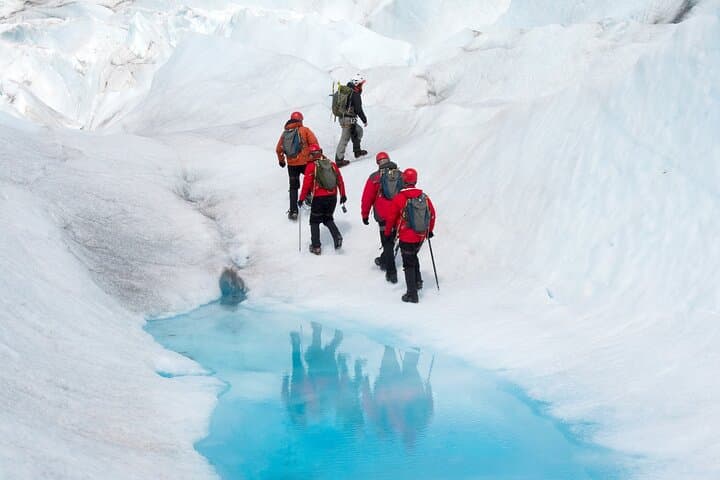
A cold wind pushes across the ice field as the first light cracks open the valley — you step from the van onto hard, blue ice, spikes whispering into the surface. The Matanuska Glacier stretches below the Chugach and Talkeetna ranges, a living river of compressed snow that moves imperceptibly toward the valley. Guides check crampons and helmets, and the group fans out across polished ridges and small meltwater streams.
Verified experiences and guided adventures in the surrounding area.
Operated by PicTours Alaska, Inc. · Palmer, Alaska
A cold wind pushes across the ice field as the first light cracks open the valley — you step from the van onto hard, blue ice, spikes whispering into the surface. The Matanuska Glacier stretches below the Chugach and Talkeetna ranges, a living river of compressed snow that moves imperceptibly toward the valley. Guides check crampons and helmets, and the group fans out across polished ridges and small meltwater streams.
The glacier reflects Alaska’s glacial history: carved valleys from the last ice age and visible moraines that mark earlier advances. Geologically, Matanuska is a classic alpine glacier — wide, fast-moving for Southcentral Alaska — fed by high-elevation accumulation and sculpting the Matanuska River basin. Locally, the land has been used for subsistence hunting and seasonal travel by Dena'ina and Ahtna peoples; modern glacier access routes grew with 20th-century road building along the Glenn Highway.
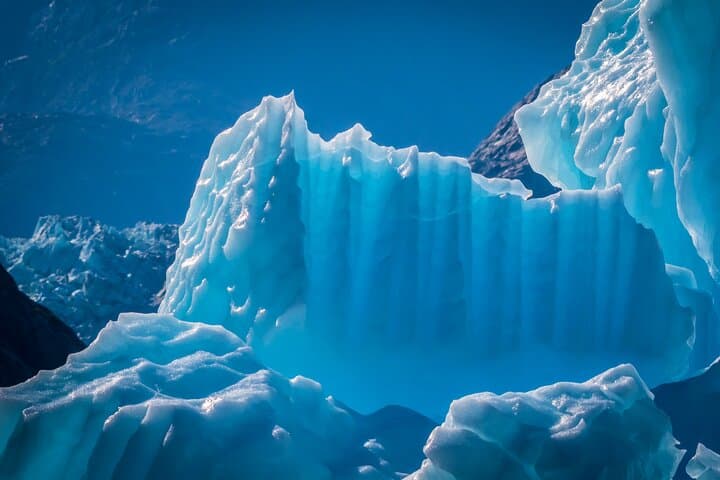
Expect a sensory mix: wind that scours your face, the occasional thunder of ice calving in the distance, brilliant blue pools daring you to look deeper. Wildlife sightings are most common on the drive — moose and raptors — while on-ice life is sparse but dramatic.
Practical side: tours depart early from Anchorage and last roughly 7–8 hours including the drive; operators provide crampons, helmets, safety briefings and bottled glacier water. Wear stiff-soled boots, layered clothing, and sunglasses; the sun on snow is intense even in cool temperatures. The route is guided and suitable for a wide range of fitness levels, but icy, uneven terrain requires steady footing and attention. Bring snacks, be prepared for variable weather, and follow guide instructions closely — the glacier’s features change daily.
moderate.
7–8 hours.
Suitable for most people who can hike on uneven ground for several hours; basic balance and endurance recommended.
No — guided trips provide instruction and equipment; basic mobility and comfort on uneven terrain are sufficient.
The drive varies with traffic and weather but typically takes about 2 hours each way along the Glenn Highway with scenic stops en route.
Operators generally welcome a wide age range; confirm specific age restrictions and mobility needs when booking and expect a release waiver.
Guides supply crampons (spiked footwear), helmets, a safety orientation, bottled glacier water, and trained instruction for on-ice travel.
The Matanuska valley was shaped by repeated glacial advances and has long been a travel and subsistence area for Alaska Native peoples; modern access increased with 20th-century road construction.
Glaciers are sensitive to climate shifts and foot traffic; stick to guide-assigned routes, avoid touching fragile ice features, and pack out all waste to minimize impact.
PicTours Alaska, Inc. operates guided outdoor trips and adventures with an emphasis on safety, stewardship, and memorable experiences.

A cold wind pushes across the ice field as the first light cracks open the valley — you step from the van onto hard, blue ice, spikes whispering into the surface. The Matanuska Glacier stretches below the Chugach and Talkeetna ranges, a living river of compressed snow that moves imperceptibly toward the valley. Guides check crampons and helmets, and the group fans out across polished ridges and small meltwater streams.
A cold wind pushes across the ice field as the first light cracks open the valley — you step from the van onto hard, blue ice, spikes whispering into the surface. The Matanuska Glacier stretches below the Chugach and Talkeetna ranges, a living river of compressed snow that moves imperceptibly toward the valley. Guides check crampons and helmets, and the group fans out across polished ridges and small meltwater streams.
The glacier reflects Alaska’s glacial history: carved valleys from the last ice age and visible moraines that mark earlier advances. Geologically, Matanuska is a classic alpine glacier — wide, fast-moving for Southcentral Alaska — fed by high-elevation accumulation and sculpting the Matanuska River basin. Locally, the land has been used for subsistence hunting and seasonal travel by Dena'ina and Ahtna peoples; modern glacier access routes grew with 20th-century road building along the Glenn Highway.
Expect a sensory mix: wind that scours your face, the occasional thunder of ice calving in the distance, brilliant blue pools daring you to look deeper. Wildlife sightings are most common on the drive — moose and raptors — while on-ice life is sparse but dramatic.
Practical side: tours depart early from Anchorage and last roughly 7–8 hours including the drive; operators provide crampons, helmets, safety briefings and bottled glacier water. Wear stiff-soled boots, layered clothing, and sunglasses; the sun on snow is intense even in cool temperatures. The route is guided and suitable for a wide range of fitness levels, but icy, uneven terrain requires steady footing and attention. Bring snacks, be prepared for variable weather, and follow guide instructions closely — the glacier’s features change daily.