THE ADVENTURE COLLECTIVE® · Independent discovery and booking for outdoor travel

An eight-hour, guided glacier trek that begins with a scenic drive from Anchorage and ends on the blue ice of Matanuska Glacier. Expect 2–4 miles on ice, expert guides, and an up-close lesson in glacial geology and safety.
An eight-hour, guided glacier trek that begins with a scenic drive from Anchorage and ends on the blue ice of Matanuska Glacier. Expect 2–4 miles on ice, expert guides, and an up-close lesson in glacial geology and safety.
You step off the shuttle onto a moonscape of blue and white. The air is sharp and smells faintly of mineral and meltwater; the glacier ahead—an undulating highway of crevasses, seracs and polished ice—draws you forward. Your guide fits crampons, checks harnesses and points toward a deep cobalt moulin where meltwater disappears like a secret. For the next few hours the glacier sets the tempo: deliberate, exacting, unforgettable.
Verified experiences and guided adventures in the surrounding area.
Operated by Beluga Travel · Palmer, Alaska
You step off the shuttle onto a moonscape of blue and white. The air is sharp and smells faintly of mineral and meltwater; the glacier ahead—an undulating highway of crevasses, seracs and polished ice—draws you forward. Your guide fits crampons, checks harnesses and points toward a deep cobalt moulin where meltwater disappears like a secret. For the next few hours the glacier sets the tempo: deliberate, exacting, unforgettable.
The Matanuska Glacier drains a section of the Chugach Mountains and is one of the largest valley glaciers in mainland Alaska reachable by road. It’s a living archive of Pleistocene ice and modern climate; layers of compacted snow, dust and silt lay bare the region’s geological history. The Glenn Highway that winds out of Anchorage toward Palmer was carved through glacial action too, and the farms of the Matanuska Valley—established in the 1930s New Deal relocation project—offer a human counterpoint to the slow engineering of ice.
Culturally, this stretch of Alaska balances outdoor industry and rural life. Palmer supplies local produce and a friendly staging ground; the glacier itself has drawn naturalists, geologists and photographers for decades. Guides on this trip double as interpreters: they read ice cores in visible bands, explain how moulins form, and point out where the glacier is actively calving or retreating.
Practicalities are straightforward but non-negotiable. The day starts in Anchorage; expect a scenic two-hour drive (about 90–120 miles round-trip each way depends on traffic and stops) along the Glenn Highway, with a 2–3 hour guided exploration on the ice. On the glacier you’ll cover roughly 2–4 miles of icy terrain with intermittent elevation shifts totaling a few hundred feet—mostly short climbs over ice ridges and moraine. Terrain is mixed: hard blue ice, snow-filled crevasses, wet rock at edges and occasional meltwater streams.
Guides supply protection gear, crampons (Yaktrax may be available), and instruction; follow their directions on rope crossings and crevasse edges. Dress in insulated waterproof layers, bring sturdy boots and gaiters, and use sunglasses and sunscreen—the sun off the ice is intense even on cool days. Hydrate before you begin and carry snacks; the itinerary includes bottled water and light snacks but the schedule is active.
Timing matters: summer offers long daylight and softer snow bridges; spring and fall can be icier and colder; winter access is limited and typically requires specialized equipment. Respect the glacier—stay on guided routes to avoid hidden hazards and help protect this landscape retreating under the influence of warming temperatures. When you return to the bus the glacier feels both ancient and alarmingly transient, a landscape that demands attention and respect.
moderate.
8 hours (total, includes transport).
Moderate fitness—comfortable walking 2–4 miles over uneven icy terrain and short steep steps; ability to follow safety instructions required.
Expect about 2–4 miles of walking on ice during the guided portion—duration depends on group pace, conditions and stops for instruction.
Guides typically provide protection gear such as crampons (or Yaktrax), helmets and sometimes harnesses; confirm with the operator if you prefer to use your own gear.
The operator allows supervised children but the route requires balance and following instructions; it’s not recommended for those with serious mobility issues, recent spinal injuries or poor cardiovascular health.
Yes—this tour can be cancelled for unsafe conditions and full refunds are available if cancelled at least 24 hours prior under the standard policy.
No prior glacier experience is required—guides provide instruction on crampon use and safe movement—though you should be comfortable on uneven, icy ground.
A weather-sealed camera or a phone in a waterproof case, spare batteries (cold drains power), and a wide-angle lens if you have one are ideal for capturing scale and texture.
Matanuska is a classic valley glacier carved over millennia; the nearby Matanuska Valley was settled in the 1930s as part of a New Deal agricultural relocation project.
The glacier has been retreating in recent decades; staying on guided routes minimizes safety risks and reduces impact on fragile ice features—pack out all waste and follow Leave No Trace guidance.
Beluga Travel operates guided outdoor trips and adventures with an emphasis on safety, stewardship, and memorable experiences.
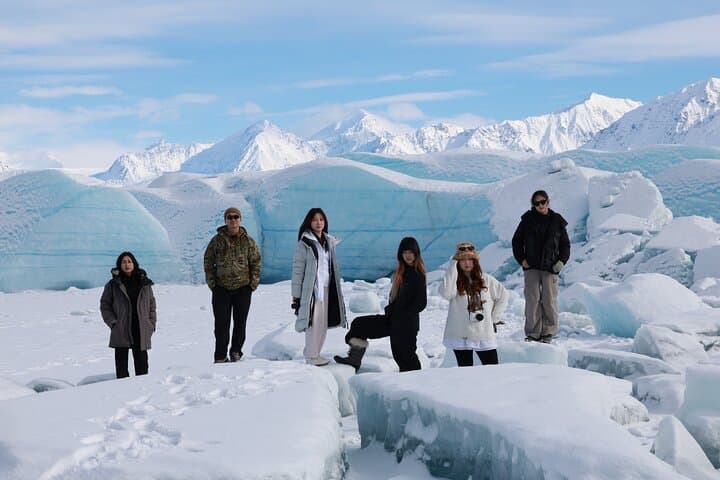
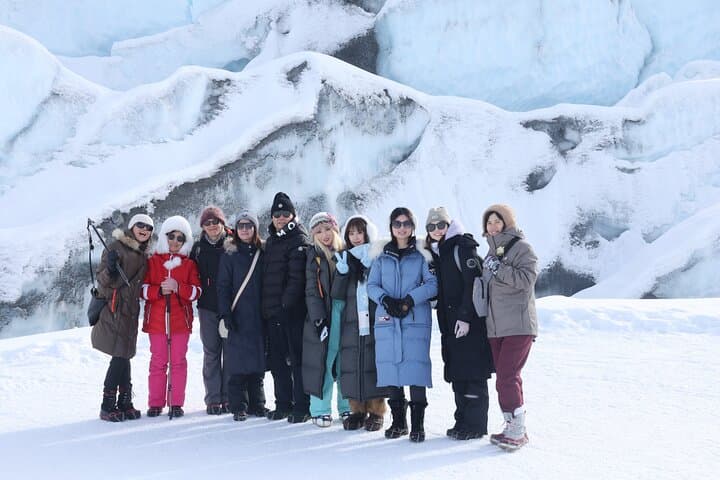
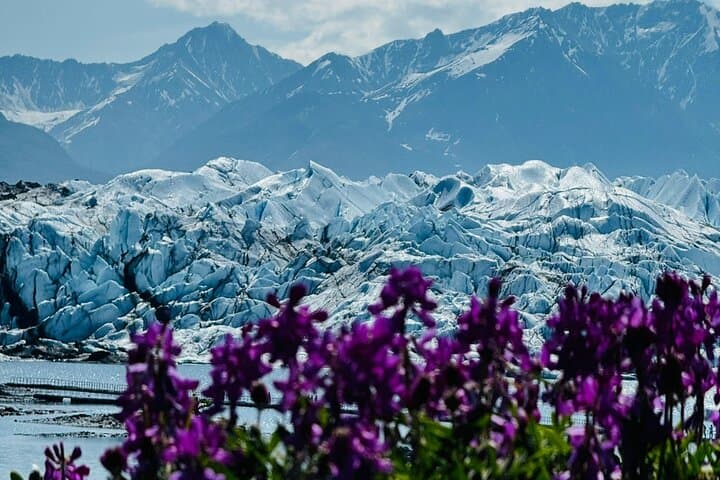
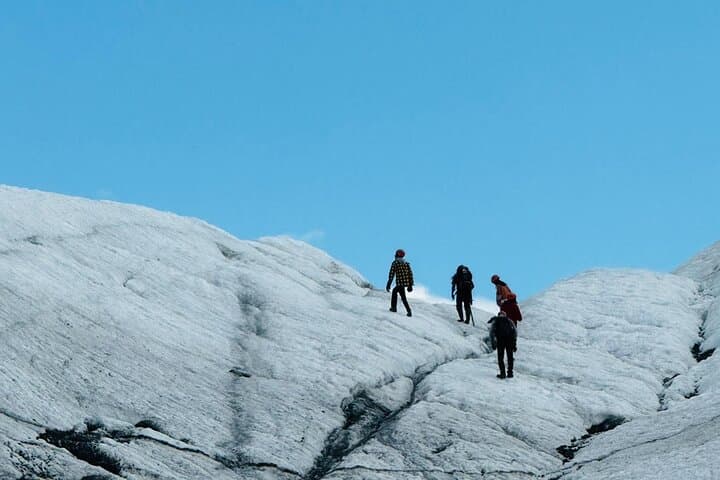
You step off the shuttle onto a moonscape of blue and white. The air is sharp and smells faintly of mineral and meltwater; the glacier ahead—an undulating highway of crevasses, seracs and polished ice—draws you forward. Your guide fits crampons, checks harnesses and points toward a deep cobalt moulin where meltwater disappears like a secret. For the next few hours the glacier sets the tempo: deliberate, exacting, unforgettable.
You step off the shuttle onto a moonscape of blue and white. The air is sharp and smells faintly of mineral and meltwater; the glacier ahead—an undulating highway of crevasses, seracs and polished ice—draws you forward. Your guide fits crampons, checks harnesses and points toward a deep cobalt moulin where meltwater disappears like a secret. For the next few hours the glacier sets the tempo: deliberate, exacting, unforgettable.
The Matanuska Glacier drains a section of the Chugach Mountains and is one of the largest valley glaciers in mainland Alaska reachable by road. It’s a living archive of Pleistocene ice and modern climate; layers of compacted snow, dust and silt lay bare the region’s geological history. The Glenn Highway that winds out of Anchorage toward Palmer was carved through glacial action too, and the farms of the Matanuska Valley—established in the 1930s New Deal relocation project—offer a human counterpoint to the slow engineering of ice.
Culturally, this stretch of Alaska balances outdoor industry and rural life. Palmer supplies local produce and a friendly staging ground; the glacier itself has drawn naturalists, geologists and photographers for decades. Guides on this trip double as interpreters: they read ice cores in visible bands, explain how moulins form, and point out where the glacier is actively calving or retreating.
Practicalities are straightforward but non-negotiable. The day starts in Anchorage; expect a scenic two-hour drive (about 90–120 miles round-trip each way depends on traffic and stops) along the Glenn Highway, with a 2–3 hour guided exploration on the ice. On the glacier you’ll cover roughly 2–4 miles of icy terrain with intermittent elevation shifts totaling a few hundred feet—mostly short climbs over ice ridges and moraine. Terrain is mixed: hard blue ice, snow-filled crevasses, wet rock at edges and occasional meltwater streams.
Guides supply protection gear, crampons (Yaktrax may be available), and instruction; follow their directions on rope crossings and crevasse edges. Dress in insulated waterproof layers, bring sturdy boots and gaiters, and use sunglasses and sunscreen—the sun off the ice is intense even on cool days. Hydrate before you begin and carry snacks; the itinerary includes bottled water and light snacks but the schedule is active.
Timing matters: summer offers long daylight and softer snow bridges; spring and fall can be icier and colder; winter access is limited and typically requires specialized equipment. Respect the glacier—stay on guided routes to avoid hidden hazards and help protect this landscape retreating under the influence of warming temperatures. When you return to the bus the glacier feels both ancient and alarmingly transient, a landscape that demands attention and respect.