THE ADVENTURE COLLECTIVE® · Independent discovery and booking for outdoor travel

A single long day that pairs Matala’s famous cliff caves and sandy bay with the fragrant Botanic Garden, the coastal village of Agia Galini, and Spili’s lion-head fountains. Expect swimming time, short walks, and a window into southern Crete’s natural and cultural layers.
A single long day that pairs Matala’s famous cliff caves and sandy bay with the fragrant Botanic Garden, the coastal village of Agia Galini, and Spili’s lion-head fountains. Expect swimming time, short walks, and a window into southern Crete’s natural and cultural layers.
You arrive midmorning on Crete’s southern coast with salt on your lips and the sun leaning against low limestone cliffs. Matala’s bay opens like a raw amphitheater—sandy beach below vertical cliffs riddled with neolithic caves that once sheltered people and, later, the 1970s hippie crowd. The sea dares you to slow down; the village alleys invite a coffee and a careful, shaded stroll.
Verified experiences and guided adventures in the surrounding area.
Operated by PLATANOS TOURS · Rethymno, Crete
You arrive midmorning on Crete’s southern coast with salt on your lips and the sun leaning against low limestone cliffs. Matala’s bay opens like a raw amphitheater—sandy beach below vertical cliffs riddled with neolithic caves that once sheltered people and, later, the 1970s hippie crowd. The sea dares you to slow down; the village alleys invite a coffee and a careful, shaded stroll.
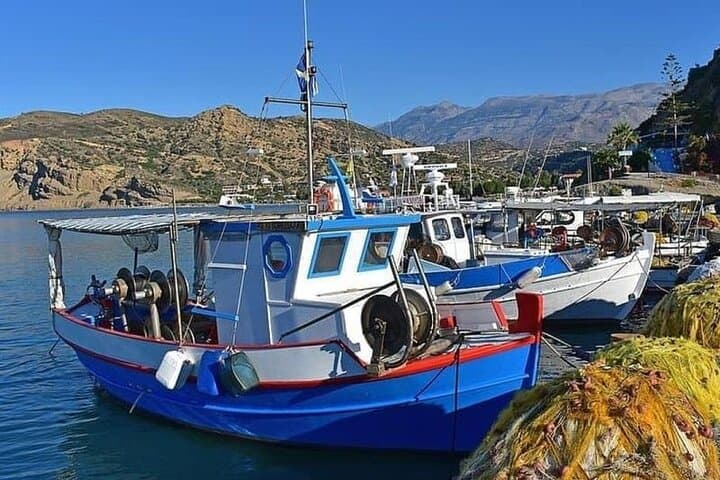
This full-day loop threads together distinct Cretan histories: Agia Galini’s fishing-harbor character and simple Byzantine chapels, Matala’s carved caves and Pleistocene limestone cliffs, the four-acre Botanic Garden’s curated collection of medicinal herbs, and Spili’s public fountain square, known for its lion-head spouts carved in earlier centuries. Geologically, the south coast’s soft limestone and marl create cliffs that erode into caves and sheltered coves; culturally, villages here keep slow rhythms of small-scale pottery, olive tending, and tavernas serving raki.
Practical guidance: expect a long day (roughly 10–11 hours) with periods of standing, short walks and stairs at viewpoints. Bring swimwear for Matala’s sandy beach, sturdy shoes for uneven cave paths, a sun hat, and ample water. The botanic garden visit is short but informative—stick to marked paths and resist picking herbs. Cash helps in smaller villages; the tour includes hotel pickup from Rethymno area and an English-speaking guide. Timing matters: late afternoon at Matala gives softer light for the caves; spring and early summer are best for herb displays and milder hiking conditions.
moderate.
10–11 hours.
Moderate: able to walk 1–3 miles total, manage stairs and short uneven sections, and tolerate a long day on your feet.
The tour lasts about 10.5 hours; it includes hotel pickup in the Rethymno area, an English/German guide, transport in an air-conditioned vehicle, botanic garden admission, and a pottery workshop.
Yes—there is approximately three hours of free time in Matala for swimming and beach time; bring a towel and swimwear.
Access to the cliffside caves is public and free, but exercise caution on the steep paths and avoid entering unstable or restricted sections.
Yes—the four-acre garden is family-friendly with short, accessible paths, but children should be supervised around plant beds and during guided sections.
Matala’s caves date to Neolithic times and later became an informal refuge for 1970s countercultural visitors; Spili’s fountain square reflects island public-water traditions with carved heads that mark communal supply points.
The southern coast hosts sensitive archaeological sites and marine life; avoid climbing on fragile caves, don’t remove plants from the botanic garden, and follow local guidance to protect nesting sea turtles.
PLATANOS TOURS operates guided outdoor trips and adventures with an emphasis on safety, stewardship, and memorable experiences.
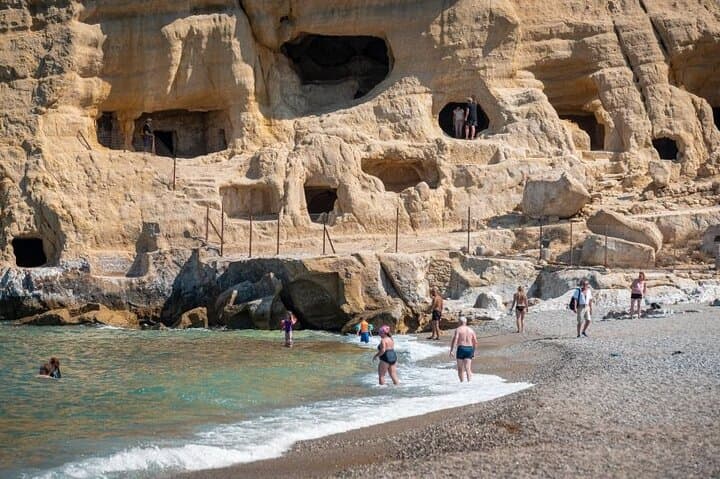
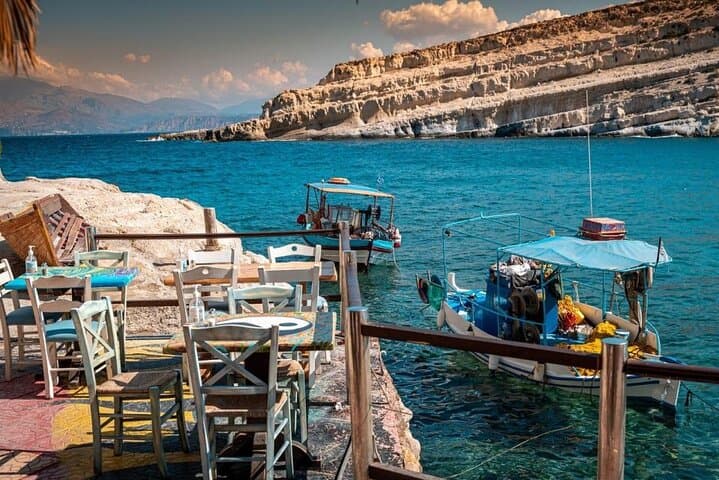
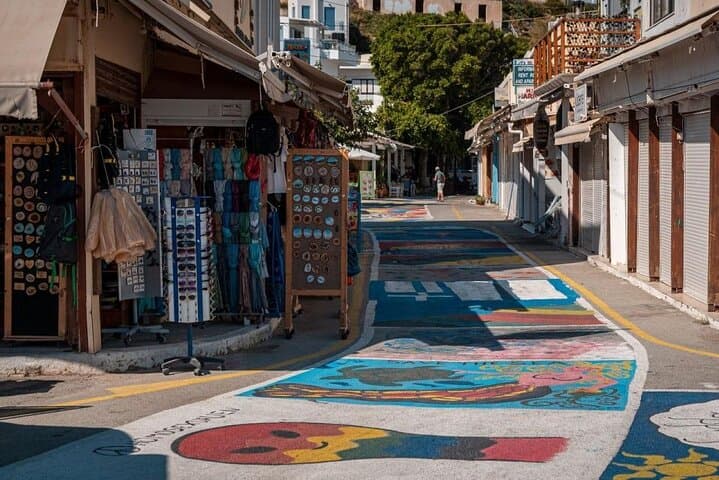
You arrive midmorning on Crete’s southern coast with salt on your lips and the sun leaning against low limestone cliffs. Matala’s bay opens like a raw amphitheater—sandy beach below vertical cliffs riddled with neolithic caves that once sheltered people and, later, the 1970s hippie crowd. The sea dares you to slow down; the village alleys invite a coffee and a careful, shaded stroll.
You arrive midmorning on Crete’s southern coast with salt on your lips and the sun leaning against low limestone cliffs. Matala’s bay opens like a raw amphitheater—sandy beach below vertical cliffs riddled with neolithic caves that once sheltered people and, later, the 1970s hippie crowd. The sea dares you to slow down; the village alleys invite a coffee and a careful, shaded stroll.
This full-day loop threads together distinct Cretan histories: Agia Galini’s fishing-harbor character and simple Byzantine chapels, Matala’s carved caves and Pleistocene limestone cliffs, the four-acre Botanic Garden’s curated collection of medicinal herbs, and Spili’s public fountain square, known for its lion-head spouts carved in earlier centuries. Geologically, the south coast’s soft limestone and marl create cliffs that erode into caves and sheltered coves; culturally, villages here keep slow rhythms of small-scale pottery, olive tending, and tavernas serving raki.
Practical guidance: expect a long day (roughly 10–11 hours) with periods of standing, short walks and stairs at viewpoints. Bring swimwear for Matala’s sandy beach, sturdy shoes for uneven cave paths, a sun hat, and ample water. The botanic garden visit is short but informative—stick to marked paths and resist picking herbs. Cash helps in smaller villages; the tour includes hotel pickup from Rethymno area and an English-speaking guide. Timing matters: late afternoon at Matala gives softer light for the caves; spring and early summer are best for herb displays and milder hiking conditions.