THE ADVENTURE COLLECTIVE® · Independent discovery and booking for outdoor travel

Spend a full day canyoneering through Matacanes: rope descents, natural slides, cave passages and dozens of water jumps. This guide explains what to expect, how to prepare, and local tips for a safe, high-adrenaline day in the Sierra de Santiago.
Spend a full day canyoneering through Matacanes: rope descents, natural slides, cave passages and dozens of water jumps. This guide explains what to expect, how to prepare, and local tips for a safe, high-adrenaline day in the Sierra de Santiago.
The morning air in the Sierra de Santiago tastes of river rock and wet pine as guides gather ropes and lifejackets at a narrow trailhead. Hikers step into a cleft of granite where the canyon narrows and water begins to shape every move—rappels drop you into jade pools, slides send you through natural chutes, and cavern mouths invite exploration underground.
Verified experiences and guided adventures in the surrounding area.
Operated by luum adventures · Santiago, Nuevo León
The morning air in the Sierra de Santiago tastes of river rock and wet pine as guides gather ropes and lifejackets at a narrow trailhead. Hikers step into a cleft of granite where the canyon narrows and water begins to shape every move—rappels drop you into jade pools, slides send you through natural chutes, and cavern mouths invite exploration underground.
Matacanes sits on the southern edge of the Monterrey basin, carved over millennia by torrents that cut deep vertical walls into volcanic and sedimentary rock. The route threads historical grazing paths and natural water traps that local communities used for seasonal livestock watering; today certified guides run structured canyoning routes designed around the gorge’s drops and pools.
Expect a full-day push: roughly 6–8 hours of continuous movement, dozens of water entries, two caves and multiple technical descents. Terrain alternates between slick rock, narrow amphitheaters, and calm plunge pools—technical challenges include several rappels and controlled jumps (operators commonly list up to 26), so good balance and swimming confidence are required.
Practically, come in quick-dry layers and sturdy water footwear, carry a small dry bag for essentials, and start early to beat heat and higher afternoon flow. Guides provide helmets, lifejackets, and safety hardware, but fitness and respect for moving water are non-negotiable. When done, the canyon opens to wide views back toward Monterrey’s skyline—a raw, physical reminder of why mountain rivers insist on shaping the land.
challenging.
6–8 hours.
Good cardiovascular fitness and muscular endurance; comfortable with exposure, repeated climbs, and swimming.
Participants should have a moderate to high fitness level—expect continuous movement for most of an 8-hour day, including scrambling, swimming, and multiple rappels.
Yes—certified guides supply helmets, lifejackets, harnesses and technical gear; personal gear like shoes and quick-dry clothing are recommended.
Operators typically set minimum age limits and weight restrictions for safety; confirm with the provider and disclose weight and any medical conditions when booking.
Tours are canceled or rescheduled for heavy rain or unsafe river conditions; always check local forecasts and the operator’s cancellation policy before travel.
The Sierra de Santiago’s canyons formed as regional uplift and river erosion sliced through volcanic and sedimentary layers; local routes historically linked small mountain communities to grazing and water sources.
Matacanes sees increasing visitor numbers—stick to established routes, pack out all waste, and avoid disturbing cave habitats to minimize erosion and wildlife impacts.
luum adventures operates guided outdoor trips and adventures with an emphasis on safety, stewardship, and memorable experiences.
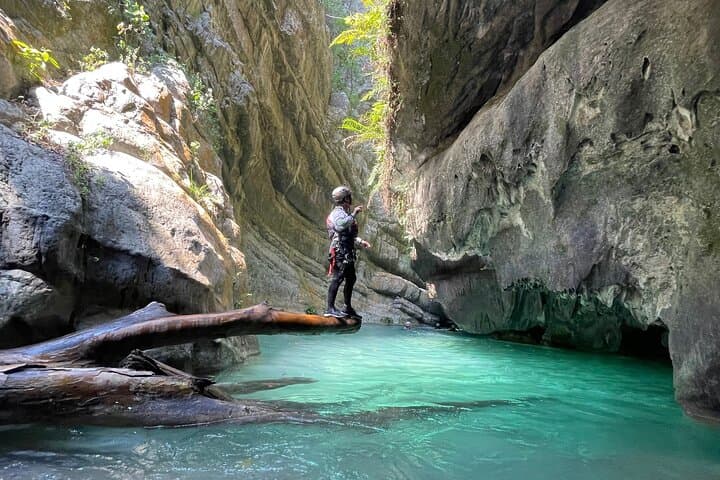
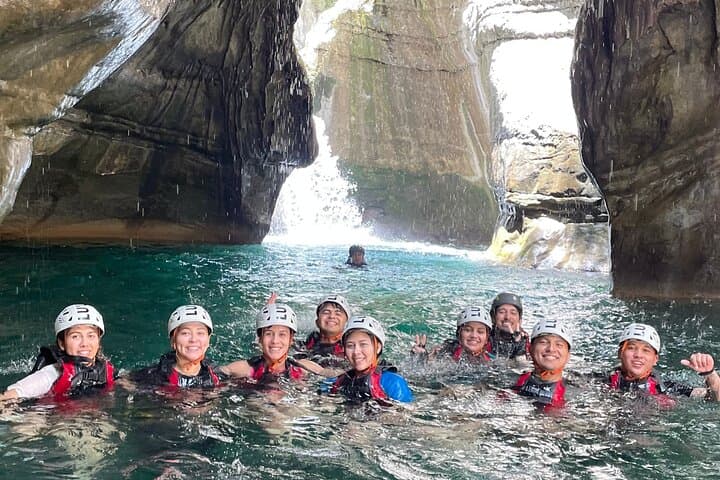
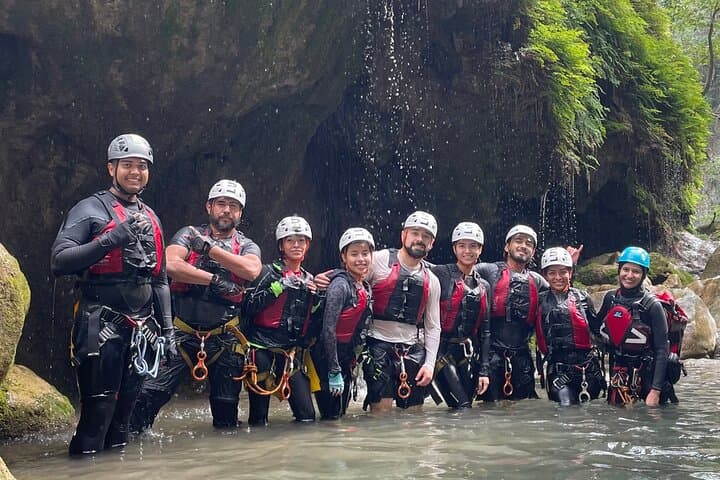
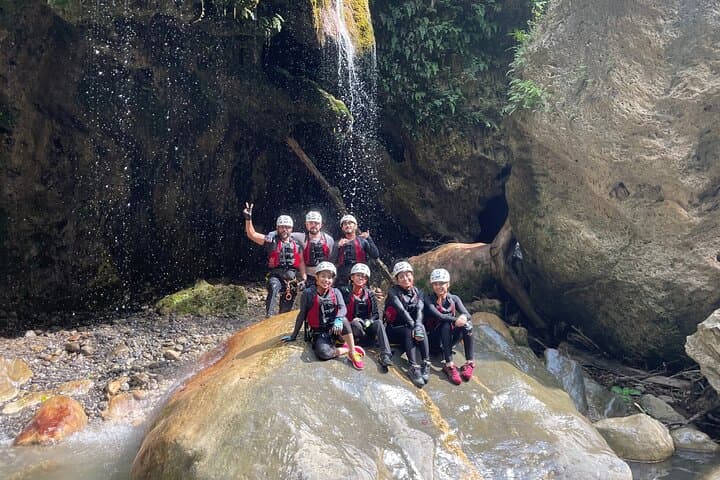
The morning air in the Sierra de Santiago tastes of river rock and wet pine as guides gather ropes and lifejackets at a narrow trailhead. Hikers step into a cleft of granite where the canyon narrows and water begins to shape every move—rappels drop you into jade pools, slides send you through natural chutes, and cavern mouths invite exploration underground.
The morning air in the Sierra de Santiago tastes of river rock and wet pine as guides gather ropes and lifejackets at a narrow trailhead. Hikers step into a cleft of granite where the canyon narrows and water begins to shape every move—rappels drop you into jade pools, slides send you through natural chutes, and cavern mouths invite exploration underground.
Matacanes sits on the southern edge of the Monterrey basin, carved over millennia by torrents that cut deep vertical walls into volcanic and sedimentary rock. The route threads historical grazing paths and natural water traps that local communities used for seasonal livestock watering; today certified guides run structured canyoning routes designed around the gorge’s drops and pools.
Expect a full-day push: roughly 6–8 hours of continuous movement, dozens of water entries, two caves and multiple technical descents. Terrain alternates between slick rock, narrow amphitheaters, and calm plunge pools—technical challenges include several rappels and controlled jumps (operators commonly list up to 26), so good balance and swimming confidence are required.
Practically, come in quick-dry layers and sturdy water footwear, carry a small dry bag for essentials, and start early to beat heat and higher afternoon flow. Guides provide helmets, lifejackets, and safety hardware, but fitness and respect for moving water are non-negotiable. When done, the canyon opens to wide views back toward Monterrey’s skyline—a raw, physical reminder of why mountain rivers insist on shaping the land.