THE ADVENTURE COLLECTIVE® · Independent discovery and booking for outdoor travel

Montserrat Mountain’s 4,000+ routes offer climbers a day of adaptable challenges on solid conglomerate rock with breathtaking views. This practical guide covers the essentials for a safe, exhilarating climb in Catalunya’s iconic landscape.
Montserrat Mountain’s 4,000+ routes offer climbers a day of adaptable challenges on solid conglomerate rock with breathtaking views. This practical guide covers the essentials for a safe, exhilarating climb in Catalunya’s iconic landscape.
Rising sharply from the Catalan plain, Montserrat Mountain dares climbers with its jagged conglomerate needles and sprawling vertical faces. At the base, the gravel parking lot hums with quiet anticipation as climbers don harnesses and shoes, gearing up for a day measured in elevation gains and handholds rather than miles alone. The mountain’s distinctive rocky spires—over 4,000 sport routes mapped across its celebrated faces—offer a playground for both novices and seasoned climbers alike.
Verified experiences and guided adventures in the surrounding area.
Operated by Marc Vilaplana Climbing Guide · Montserrat, Catalonia
Rising sharply from the Catalan plain, Montserrat Mountain dares climbers with its jagged conglomerate needles and sprawling vertical faces. At the base, the gravel parking lot hums with quiet anticipation as climbers don harnesses and shoes, gearing up for a day measured in elevation gains and handholds rather than miles alone. The mountain’s distinctive rocky spires—over 4,000 sport routes mapped across its celebrated faces—offer a playground for both novices and seasoned climbers alike.
Montserrat’s geology is a study in contrasts: its conglomerate rock, formed from ancient pebbles fused by millennia of pressure, offers solid, varied grips that challenge climbers to read the mountain’s personality with every move. Historically a site of religious significance, Montserrat’s serrated contours have drawn pilgrims and adventurers, intertwining Catalan culture with nature’s raw architecture.
Beyond the rock, the mountain commands a commanding panorama of forested slopes and distant valleys, where the Mediterranean light spills soft gold in the afternoon hours. The presence of the famous Santa Maria de Montserrat Abbey nearby adds cultural depth to the setting, grounding the physical climb in a landscape steeped with history.
Practically, climbers meet at a large gravel lot accessible by car or public transport; those arriving by train typically disembark at Monistrol de Montserrat station, from where a guide ensures a smooth transfer to the climbing area. After a short walk into the crag, climbers spend around five hours conquering between four and six routes tailored to skill level—from beginner-friendly ledges to multi-pitch challenges for experts.
Safety is paramount; all gear, including harness, helmet, and chalk bags, are provided and fitted by a professional guide who adapts the experience to individual needs. Climbers are encouraged to wear sturdy footwear and layered clothing to manage variable mountain temperatures.
Hydration and pacing are critical here—the rock demands focused effort as much as it rewards with scenic breaks. For adventurers who crave a physical test coupled with cultural richness and geology worth studying, Montserrat Mountain offers a climbing day that is both accessible and deeply rewarding.
moderate.
4–5 hours.
Requires moderate fitness; climbers should be comfortable with steady upper body exertion and sustained focus.
No prior experience is required; guides adapt routes to your skill level and provide full safety instruction.
Spring and fall offer mild temperatures and less crowded routes, ideal for climbing.
Yes, all necessary gear—including harness, helmet, climbing shoes, and chalk—is supplied.
Take the R5 FGC train from Plaça Espanya to Monistrol de Montserrat, where you’ll be met by your guide.
Multi-pitch climbs are possible for experienced groups and depend on group size and ability.
Basic facilities are available at the parking lot meeting point before heading to the climbing sectors.
Montserrat has long been a spiritual center for Catalunya, with monasteries dating back to the 9th century influencing local culture.
Climbing is regulated to protect fragile rock formations and endemic vegetation; visitors are urged to stay on established paths and minimize impact.
Marc Vilaplana Climbing Guide operates guided outdoor trips and adventures with an emphasis on safety, stewardship, and memorable experiences.
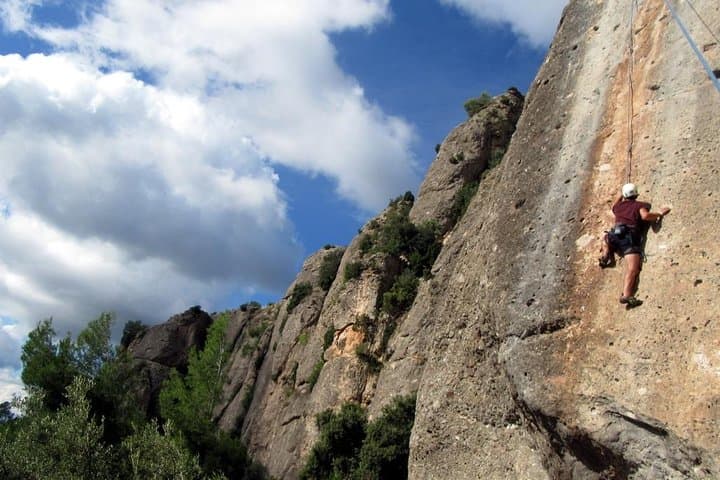
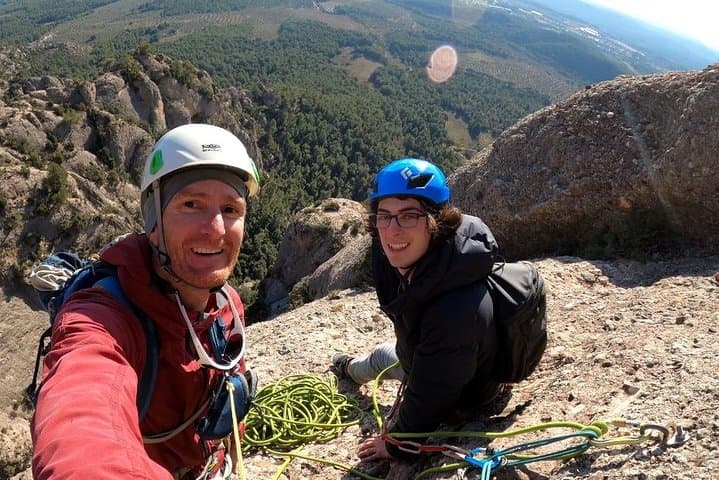
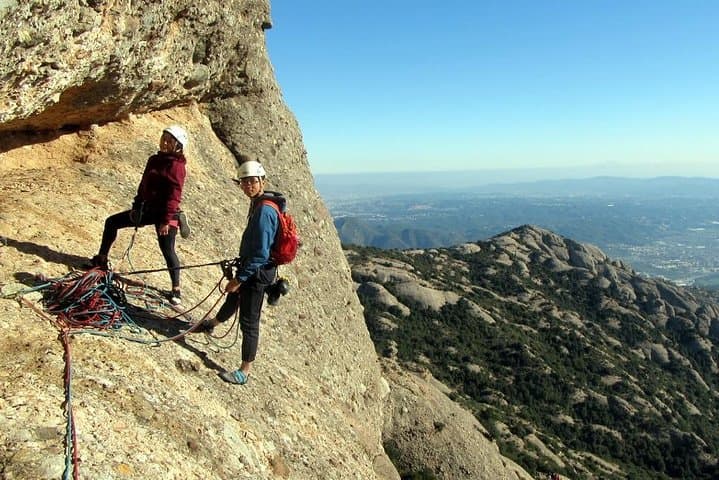
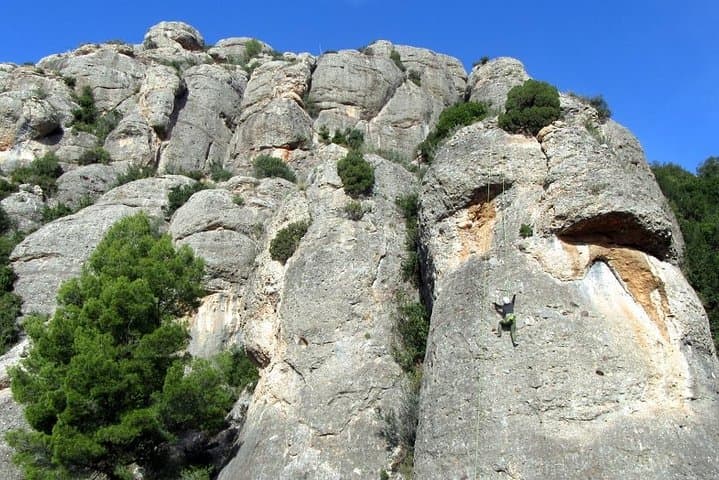
Rising sharply from the Catalan plain, Montserrat Mountain dares climbers with its jagged conglomerate needles and sprawling vertical faces. At the base, the gravel parking lot hums with quiet anticipation as climbers don harnesses and shoes, gearing up for a day measured in elevation gains and handholds rather than miles alone. The mountain’s distinctive rocky spires—over 4,000 sport routes mapped across its celebrated faces—offer a playground for both novices and seasoned climbers alike.
Rising sharply from the Catalan plain, Montserrat Mountain dares climbers with its jagged conglomerate needles and sprawling vertical faces. At the base, the gravel parking lot hums with quiet anticipation as climbers don harnesses and shoes, gearing up for a day measured in elevation gains and handholds rather than miles alone. The mountain’s distinctive rocky spires—over 4,000 sport routes mapped across its celebrated faces—offer a playground for both novices and seasoned climbers alike.
Montserrat’s geology is a study in contrasts: its conglomerate rock, formed from ancient pebbles fused by millennia of pressure, offers solid, varied grips that challenge climbers to read the mountain’s personality with every move. Historically a site of religious significance, Montserrat’s serrated contours have drawn pilgrims and adventurers, intertwining Catalan culture with nature’s raw architecture.
Beyond the rock, the mountain commands a commanding panorama of forested slopes and distant valleys, where the Mediterranean light spills soft gold in the afternoon hours. The presence of the famous Santa Maria de Montserrat Abbey nearby adds cultural depth to the setting, grounding the physical climb in a landscape steeped with history.
Practically, climbers meet at a large gravel lot accessible by car or public transport; those arriving by train typically disembark at Monistrol de Montserrat station, from where a guide ensures a smooth transfer to the climbing area. After a short walk into the crag, climbers spend around five hours conquering between four and six routes tailored to skill level—from beginner-friendly ledges to multi-pitch challenges for experts.
Safety is paramount; all gear, including harness, helmet, and chalk bags, are provided and fitted by a professional guide who adapts the experience to individual needs. Climbers are encouraged to wear sturdy footwear and layered clothing to manage variable mountain temperatures.
Hydration and pacing are critical here—the rock demands focused effort as much as it rewards with scenic breaks. For adventurers who crave a physical test coupled with cultural richness and geology worth studying, Montserrat Mountain offers a climbing day that is both accessible and deeply rewarding.