THE ADVENTURE COLLECTIVE® · Independent discovery and booking for outdoor travel

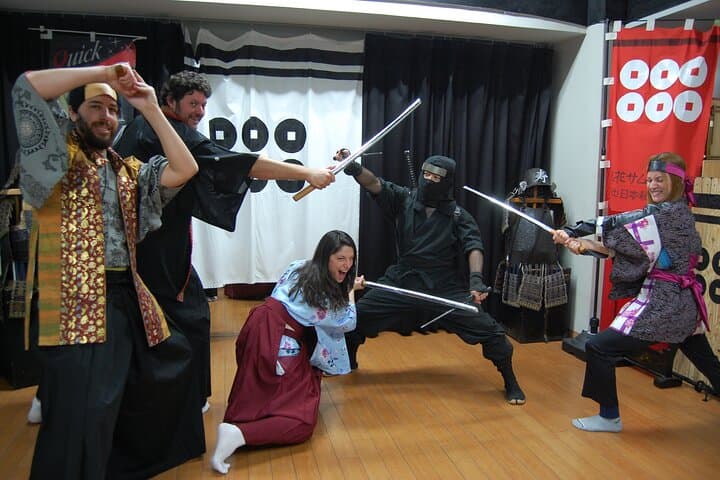
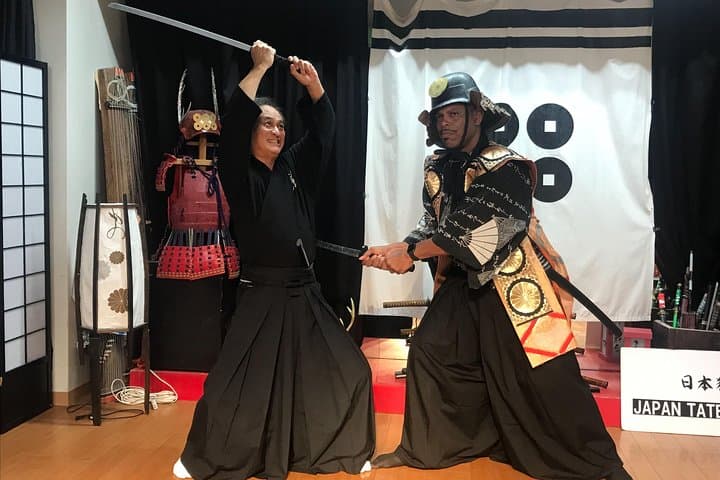
Learn basic katana katas, try shuriken throwing, and perform a short staged battle in a focused 60‑minute lesson in Osaka. Costumes and hands‑on instruction make this a practical, memorable introduction to samurai and ninja movement.
Learn basic katana katas, try shuriken throwing, and perform a short staged battle in a focused 60‑minute lesson in Osaka. Costumes and hands‑on instruction make this a practical, memorable introduction to samurai and ninja movement.
Step into a compact dojo in Osaka and feel the room tighten around the edge of a blade. The lesson begins with the creak of wooden floors and the quiet cadence of an instructor guiding your breath as you don kimono hakama or a ninja outfit.
Verified experiences and guided adventures in the surrounding area.
Operated by Beauty of Japan · Osaka, Osaka Prefecture
Step into a compact dojo in Osaka and feel the room tighten around the edge of a blade. The lesson begins with the creak of wooden floors and the quiet cadence of an instructor guiding your breath as you don kimono hakama or a ninja outfit.
This one-hour session traces movements rooted in Japan’s feudal era—samurai katas refined for balance and distance, and the theatrical tate (stage) battle that lets participants pair technique with timing. Osaka itself grew as a merchant hub in the Edo period; surrounding neighborhoods still hold shrines and castle grounds that recall the city’s martial past.
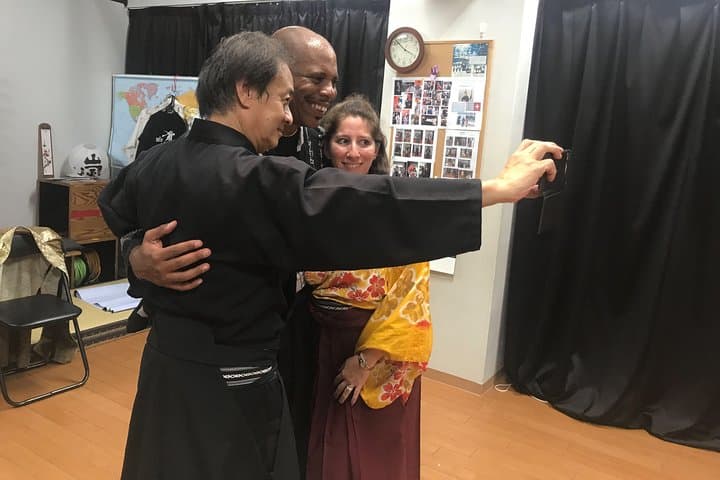
The experience blends practical training and performance: eight basic katana katas, shuriken (throwing star) practice, a staged battle scene, and opportunities for photos and video. Instructors teach how to grip, step, and cut in controlled motions so beginners can practice safely. Costumes and rental armor are provided, and groups are small—up to about ten—so instruction is hands-on.
Plan to arrive 10–15 minutes early, wear layers you can move in, and leave jewelry and loose accessories behind. Mobility is all that’s required—these lessons suit a wide range of ages and fitness levels—but listen to the instructor and avoid overreaching on your first swings. Public transit links make the dojo easy to reach from central Osaka, and the short, focused format suits travelers on tight schedules. Treat the class as both a cultural workshop and an active lesson: pay attention to etiquette, take photos respectfully, and enjoy the physical rhythm of old techniques reimagined for newcomers.
easy.
1 hour.
Suitable for most fitness levels; requires basic standing balance and mobility
No. The lesson is designed for beginners; instructors teach grip, stance, and eight basic katas so newcomers can learn safely.
Yes—kimono/hakama, ninja costumes, and basic rental armor are included; bring modest clothing underneath for comfort.
The activity welcomes a broad age range, but bookings request height and age for costume fitting—check the operator’s booking questions when reserving.
Full refund if cancelled at least 6 full days prior, 50% refund between 2–6 days, and no refund within 2 days of the scheduled time.
Samurai and ninja traditions evolved across Kansai; Osaka’s role as a merchant and military staging center left behind training halls and castle grounds that shaped regional martial practices.
Respect costume and dojo materials; small cultural sites nearby rely on mindful visitors—avoid littering, and follow photo and behavior guidelines at shrines and temples.
Beauty of Japan operates guided outdoor trips and adventures with an emphasis on safety, stewardship, and memorable experiences.

Step into a compact dojo in Osaka and feel the room tighten around the edge of a blade. The lesson begins with the creak of wooden floors and the quiet cadence of an instructor guiding your breath as you don kimono hakama or a ninja outfit.
Step into a compact dojo in Osaka and feel the room tighten around the edge of a blade. The lesson begins with the creak of wooden floors and the quiet cadence of an instructor guiding your breath as you don kimono hakama or a ninja outfit.
This one-hour session traces movements rooted in Japan’s feudal era—samurai katas refined for balance and distance, and the theatrical tate (stage) battle that lets participants pair technique with timing. Osaka itself grew as a merchant hub in the Edo period; surrounding neighborhoods still hold shrines and castle grounds that recall the city’s martial past.
The experience blends practical training and performance: eight basic katana katas, shuriken (throwing star) practice, a staged battle scene, and opportunities for photos and video. Instructors teach how to grip, step, and cut in controlled motions so beginners can practice safely. Costumes and rental armor are provided, and groups are small—up to about ten—so instruction is hands-on.
Plan to arrive 10–15 minutes early, wear layers you can move in, and leave jewelry and loose accessories behind. Mobility is all that’s required—these lessons suit a wide range of ages and fitness levels—but listen to the instructor and avoid overreaching on your first swings. Public transit links make the dojo easy to reach from central Osaka, and the short, focused format suits travelers on tight schedules. Treat the class as both a cultural workshop and an active lesson: pay attention to etiquette, take photos respectfully, and enjoy the physical rhythm of old techniques reimagined for newcomers.