THE ADVENTURE COLLECTIVE® · Independent discovery and booking for outdoor travel

Learn precise pour-over techniques using 100% Kona coffee in a focused 90-minute workshop. This hands-on class blends brewing science, tasting, and local coffee history to help you brew café-quality coffee at home.
Learn precise pour-over techniques using 100% Kona coffee in a focused 90-minute workshop. This hands-on class blends brewing science, tasting, and local coffee history to help you brew café-quality coffee at home.
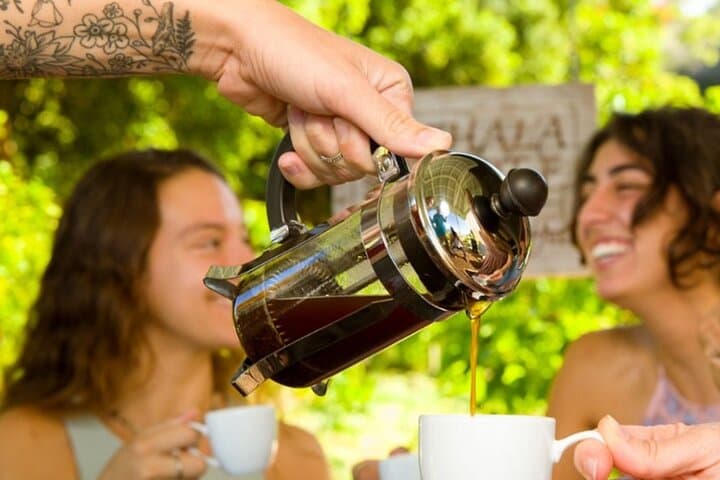
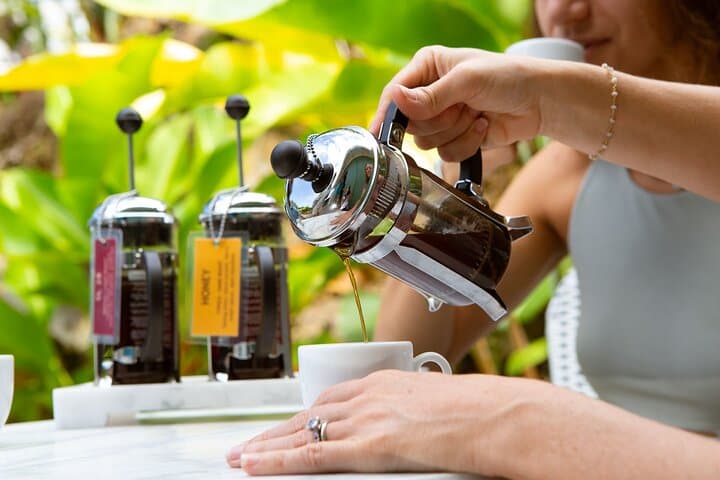
Stepping down from a bright Oahu café into the Coffee Lab, the smell of freshly roasted Kona beans meets you like a warm tide. Steam and the soft hiss of scales form a low soundtrack as an instructor demonstrates the measured pour that elevates a simple cup into a precise craft.
Verified experiences and guided adventures in the surrounding area.
Operated by The Coffee Lab by Hala Tree Cafe · Honolulu, Hawaii
Stepping down from a bright Oahu café into the Coffee Lab, the smell of freshly roasted Kona beans meets you like a warm tide. Steam and the soft hiss of scales form a low soundtrack as an instructor demonstrates the measured pour that elevates a simple cup into a precise craft.
Coffee in Hawai‘i has a short but proud history: Kona coffee plantations on the Big Island transformed the islands’ agricultural profile in the 19th century, and that legacy informs the beans used here. Geology matters — mineral-rich volcanic soils and steady Pacific trade winds shape flavor profiles that pour-over techniques reveal.
The class moves from basics (water temperature, bloom, grind size) to hands-on dialing in of brew recipes using various devices. Expect small-group attention — up to a dozen people — and guided tastings that highlight acidity, body, and roast nuance from 100% Kona lots. Cultural context is practical: local sourcing, farm-to-cup care, and the role of small roasters across the islands.
Practical guidance: arrive on time for the 90-minute session, bring questions and a notebook, and be ready to stand at a bench while you brew. The lab is wheelchair accessible, and public transit serves the neighborhood. For repeatable results at home, focus on a scale, gooseneck kettle, and water filtration; the instructors emphasize reproducible variables over fancy gear.
Whether you want to sharpen morning routine or learn a new skill to share with guests, the course gives clear, repeatable steps and tactile practice — the kind that turns curiosity into consistent café-quality pour-overs.
easy.
1.5 hours.
Minimal physical exertion; able to stand for short periods and perform light hand movements required.
The session runs 90 minutes and includes instruction, hands-on brewing, and a tasting segment.
No — the class is designed for all levels, from beginners to home-brewers looking to refine skills.
Yes — the facility is wheelchair accessible and public transit options are nearby.
Yes — the class features 100% Kona coffee from Hawaiian farms and focuses on techniques to highlight those flavors.
Kona coffee began on the Big Island in the 19th century; its unique volcanic soils and microclimates produced beans prized for distinct flavor profiles that modern roasters across Hawai‘i celebrate.
Many Hawaiian coffee farms emphasize sustainable water use and shade-grown practices to protect soil and native habitats; ask about sourcing to support responsible producers.
The Coffee Lab by Hala Tree Cafe operates guided outdoor trips and adventures with an emphasis on safety, stewardship, and memorable experiences.
Stepping down from a bright Oahu café into the Coffee Lab, the smell of freshly roasted Kona beans meets you like a warm tide. Steam and the soft hiss of scales form a low soundtrack as an instructor demonstrates the measured pour that elevates a simple cup into a precise craft.
Stepping down from a bright Oahu café into the Coffee Lab, the smell of freshly roasted Kona beans meets you like a warm tide. Steam and the soft hiss of scales form a low soundtrack as an instructor demonstrates the measured pour that elevates a simple cup into a precise craft.
Coffee in Hawai‘i has a short but proud history: Kona coffee plantations on the Big Island transformed the islands’ agricultural profile in the 19th century, and that legacy informs the beans used here. Geology matters — mineral-rich volcanic soils and steady Pacific trade winds shape flavor profiles that pour-over techniques reveal.
The class moves from basics (water temperature, bloom, grind size) to hands-on dialing in of brew recipes using various devices. Expect small-group attention — up to a dozen people — and guided tastings that highlight acidity, body, and roast nuance from 100% Kona lots. Cultural context is practical: local sourcing, farm-to-cup care, and the role of small roasters across the islands.
Practical guidance: arrive on time for the 90-minute session, bring questions and a notebook, and be ready to stand at a bench while you brew. The lab is wheelchair accessible, and public transit serves the neighborhood. For repeatable results at home, focus on a scale, gooseneck kettle, and water filtration; the instructors emphasize reproducible variables over fancy gear.
Whether you want to sharpen morning routine or learn a new skill to share with guests, the course gives clear, repeatable steps and tactile practice — the kind that turns curiosity into consistent café-quality pour-overs.