THE ADVENTURE COLLECTIVE® · Independent discovery and booking for outdoor travel

Learn to freedive in Boracay with instructor-led classroom, pool and open-water sessions that build breath-hold technique and safety. Choose a beginner Discover track or an Advanced program that progresses to deep-line dives up to 40 m.
Learn to freedive in Boracay with instructor-led classroom, pool and open-water sessions that build breath-hold technique and safety. Choose a beginner Discover track or an Advanced program that progresses to deep-line dives up to 40 m.
You step off the skiff and the ocean takes the tone—transparent turquoise that deepens to cobalt where the drop-offs begin. The boat drifts, instructors check fins and lines, and the only sound is wind and the distant chatter of gulls. Freediving here strips the sport to essentials: breath, relaxation, and attention to the body as it negotiates light, depth and reef.
Verified experiences and guided adventures in the surrounding area.
Operated by Philippines Divers · Boracay (Malay), Aklan
You step off the skiff and the ocean takes the tone—transparent turquoise that deepens to cobalt where the drop-offs begin. The boat drifts, instructors check fins and lines, and the only sound is wind and the distant chatter of gulls. Freediving here strips the sport to essentials: breath, relaxation, and attention to the body as it negotiates light, depth and reef.
Boracay sits on a coral foundation carved from millions of years of reef growth; its sands are crushed shell, and pockets of limestone and seagrass shelter reef fish and turtles. The island’s recent history is an arc from small fishing community to world-class tourism hub; today conservation measures and local regulations shape how water sports operate.
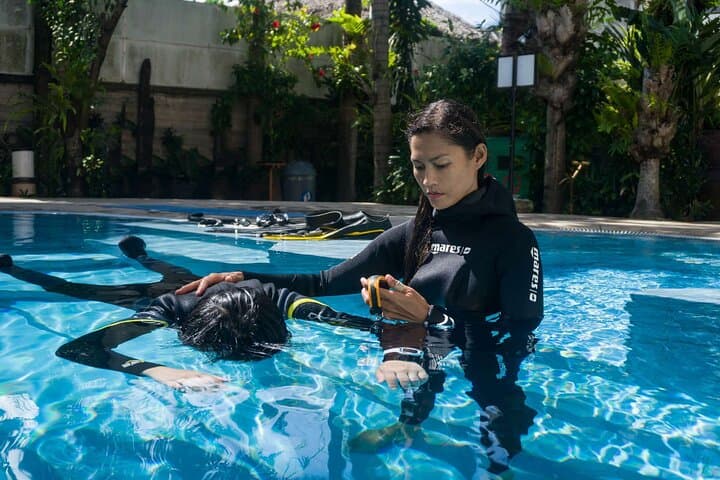
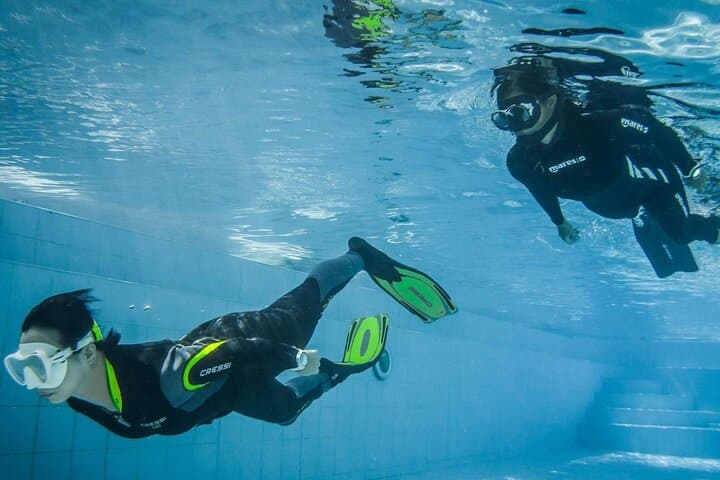
The course unfolds practically—classroom sessions on breathing, physiology and safety, pool or shallow water drills, then open-water dives on a line. Option A introduces techniques and shallow dives to 11–20 m; Option B progresses to exhale and full-lung dives up to 30–40 m with intensive dry practice and safety drills.
Expect warm water, variable currents, and clarity that rewards relaxation. Practical guidance: hydrate and rest before sessions, use reef-safe sunscreen, and arrive with recent swim conditioning; the operator requires a 200 m unassisted swim and a minimum age of 15. Medical clearance is essential for anyone with cardiovascular or respiratory issues. Boats and shore transfers are part of the program—pay attention during safety briefings.
For adventurous swimmers this program pairs technical skill-building with vivid underwater encounters; the learning curve is steady, coached and focused on technique rather than competition.
challenging.
3 days (approx. 72 hours total contact time over scheduled sessions).
Moderate to good cardiovascular fitness and swim endurance; comfort in open water required
No scuba experience is required, but participants must swim 200 m unassisted and be comfortable in deep water.
Yes—program includes academic and practical sessions and issues certification on successful completion as described by the operator.
Not recommended for pregnant travelers or those with heart or serious respiratory conditions; consult the operator and obtain medical clearance if in doubt.
All sales are final—no refunds for cancellations; the operator may cancel for bad weather and will notify booked participants.
Boracay is part of Malay municipality in Aklan; once a small fishing island, it grew into a global tourism destination and recently enacted strict coastal regulations to restore reef and water quality.
Operators encourage reef-safe sunscreen, no-touch policies for coral and marine life, and participation in local cleanup and reef protection initiatives.
Philippines Divers operates guided outdoor trips and adventures with an emphasis on safety, stewardship, and memorable experiences.
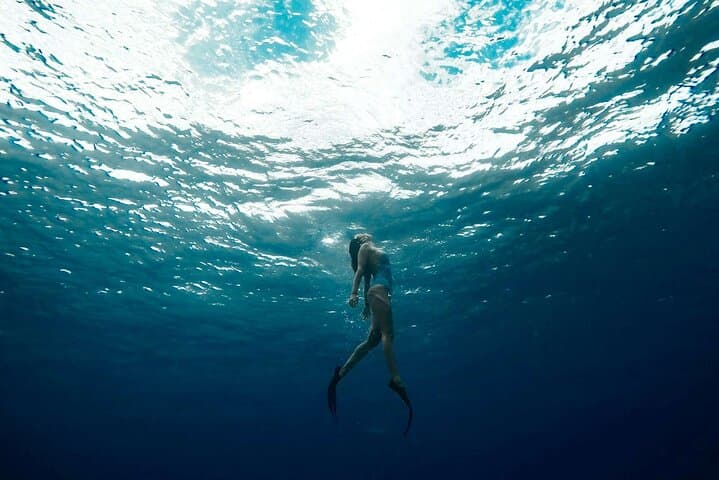
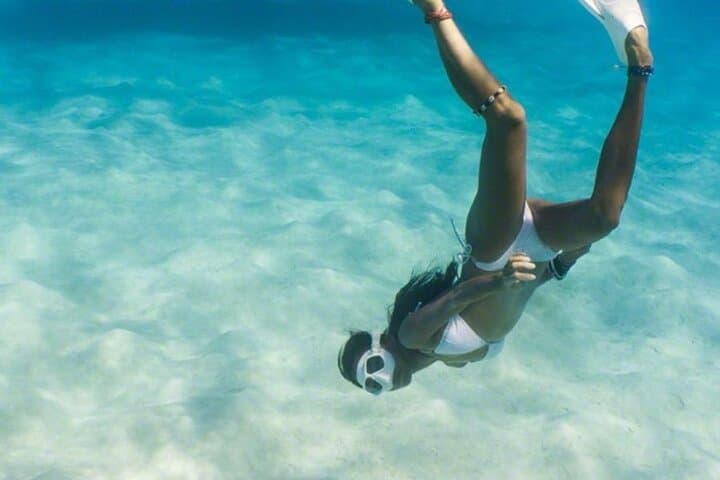
You step off the skiff and the ocean takes the tone—transparent turquoise that deepens to cobalt where the drop-offs begin. The boat drifts, instructors check fins and lines, and the only sound is wind and the distant chatter of gulls. Freediving here strips the sport to essentials: breath, relaxation, and attention to the body as it negotiates light, depth and reef.
You step off the skiff and the ocean takes the tone—transparent turquoise that deepens to cobalt where the drop-offs begin. The boat drifts, instructors check fins and lines, and the only sound is wind and the distant chatter of gulls. Freediving here strips the sport to essentials: breath, relaxation, and attention to the body as it negotiates light, depth and reef.
Boracay sits on a coral foundation carved from millions of years of reef growth; its sands are crushed shell, and pockets of limestone and seagrass shelter reef fish and turtles. The island’s recent history is an arc from small fishing community to world-class tourism hub; today conservation measures and local regulations shape how water sports operate.
The course unfolds practically—classroom sessions on breathing, physiology and safety, pool or shallow water drills, then open-water dives on a line. Option A introduces techniques and shallow dives to 11–20 m; Option B progresses to exhale and full-lung dives up to 30–40 m with intensive dry practice and safety drills.
Expect warm water, variable currents, and clarity that rewards relaxation. Practical guidance: hydrate and rest before sessions, use reef-safe sunscreen, and arrive with recent swim conditioning; the operator requires a 200 m unassisted swim and a minimum age of 15. Medical clearance is essential for anyone with cardiovascular or respiratory issues. Boats and shore transfers are part of the program—pay attention during safety briefings.
For adventurous swimmers this program pairs technical skill-building with vivid underwater encounters; the learning curve is steady, coached and focused on technique rather than competition.