THE ADVENTURE COLLECTIVE® · Independent discovery and booking for outdoor travel

Navigate the maze of Marrakech’s medina with a local guide and learn how to bargain for handcrafted goods—from carpets to copperware—while discovering the history and craft behind each stall. This guided souk experience blends practical tips with cultural context to help you shop smarter.
Navigate the maze of Marrakech’s medina with a local guide and learn how to bargain for handcrafted goods—from carpets to copperware—while discovering the history and craft behind each stall. This guided souk experience blends practical tips with cultural context to help you shop smarter.
You step off Jemaa el-Fna into a throat of alleys where color and sound compress: merchants call, lamps glint, and a ribbon of spice-scented air pulls you down winding lanes. The souk moves around you—leatherworkers at benches, metal engravers tapping rhythm into brass, carpets folded like held breath—while your guide points out the signals that mark genuine craft.
Verified experiences and guided adventures in the surrounding area.
Operated by Morocco Friendly Tours · Marrakech, Marrakech-Safi
You step off Jemaa el-Fna into a throat of alleys where color and sound compress: merchants call, lamps glint, and a ribbon of spice-scented air pulls you down winding lanes. The souk moves around you—leatherworkers at benches, metal engravers tapping rhythm into brass, carpets folded like held breath—while your guide points out the signals that mark genuine craft.
The medina of Marrakech dates to the 11th century; its lanes grew with guilds and trade routes from the Atlas foothills. The red ochre of the city’s walls comes from local clays, and the marketplaces still reflect a mix of Berber, Arab and Andalusian influences—techniques and patterns handed down through workshops that occupy the same alleys for generations.
Bargaining is practical and social: a practiced exchange that tests patience and humor rather than deception. Start low, maintain a friendly tone, and look for signs of handwork—stitching, irregular knots, tool marks—to judge value. Keep transactions in cash for smaller stalls and agree on final price before handing over money.
For planning: schedule tours in the morning or late afternoon to avoid peak heat; wear comfortable shoes for cobbled and sometimes uneven surfaces; carry a refillable water bottle and small change in a secure pocket. Respect mosque boundaries, ask before photographing people, and favor purchases from artisans directly when possible to support local craft. With a guide, you’ll leave with souvenirs and a better eye for quality—and the confidence to bargain like a local.
easy.
2–3 hours.
Light walking for several hours; suitable for most fitness levels with basic mobility.
Yes—this private guided tour is often booked ahead; instant confirmation is usually available but spots can fill fast.
The medina can be narrow and busy, but the tour notes stroller accessibility and is generally family-friendly; expect some tight spots.
Smaller stalls prefer cash; larger shops or cooperatives may accept cards—bring dirhams for most purchases.
The listing indicates wheelchair accessibility, but confirm specifics with the operator for individual mobility needs as surfaces can vary.
The medina grew from 11th-century trade routes and guild structures; many artisan techniques still reflect centuries-old methods passed through families.
Favor directly sourcing from artisans and avoid buying items made from endangered materials; minimal-waste practices help protect local resources.
Morocco Friendly Tours operates guided outdoor trips and adventures with an emphasis on safety, stewardship, and memorable experiences.

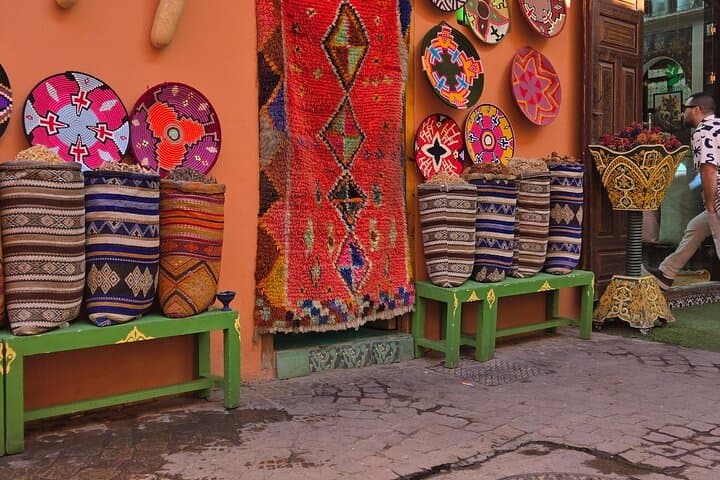

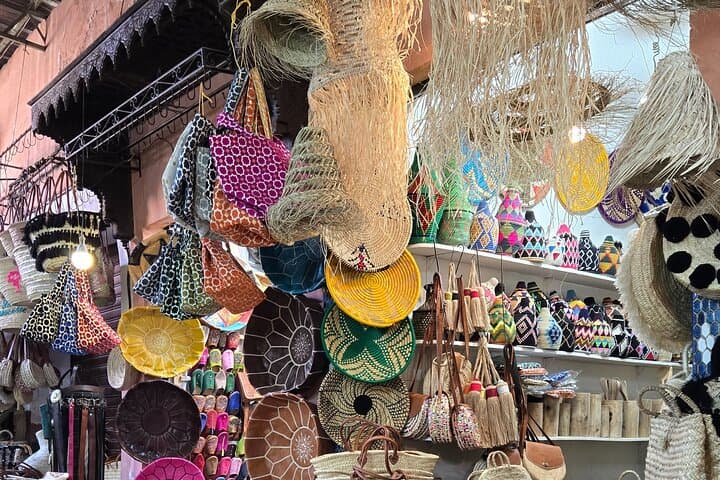
You step off Jemaa el-Fna into a throat of alleys where color and sound compress: merchants call, lamps glint, and a ribbon of spice-scented air pulls you down winding lanes. The souk moves around you—leatherworkers at benches, metal engravers tapping rhythm into brass, carpets folded like held breath—while your guide points out the signals that mark genuine craft.
You step off Jemaa el-Fna into a throat of alleys where color and sound compress: merchants call, lamps glint, and a ribbon of spice-scented air pulls you down winding lanes. The souk moves around you—leatherworkers at benches, metal engravers tapping rhythm into brass, carpets folded like held breath—while your guide points out the signals that mark genuine craft.
The medina of Marrakech dates to the 11th century; its lanes grew with guilds and trade routes from the Atlas foothills. The red ochre of the city’s walls comes from local clays, and the marketplaces still reflect a mix of Berber, Arab and Andalusian influences—techniques and patterns handed down through workshops that occupy the same alleys for generations.
Bargaining is practical and social: a practiced exchange that tests patience and humor rather than deception. Start low, maintain a friendly tone, and look for signs of handwork—stitching, irregular knots, tool marks—to judge value. Keep transactions in cash for smaller stalls and agree on final price before handing over money.
For planning: schedule tours in the morning or late afternoon to avoid peak heat; wear comfortable shoes for cobbled and sometimes uneven surfaces; carry a refillable water bottle and small change in a secure pocket. Respect mosque boundaries, ask before photographing people, and favor purchases from artisans directly when possible to support local craft. With a guide, you’ll leave with souvenirs and a better eye for quality—and the confidence to bargain like a local.