THE ADVENTURE COLLECTIVE® · Independent discovery and booking for outdoor travel

A full-day private excursion from Agadir that threads dam viewpoints, banana farms, small desert dunes and the Oued Massa bird reserve before finishing on the wild sands of Sidi Ifni. Ideal for birdwatchers and photographers who want varied coastal landscapes in one day.
A full-day private excursion from Agadir that threads dam viewpoints, banana farms, small desert dunes and the Oued Massa bird reserve before finishing on the wild sands of Sidi Ifni. Ideal for birdwatchers and photographers who want varied coastal landscapes in one day.
Morning light slices the Atlantic as a private minivan pulls away from Agadir and heads south along the coast.
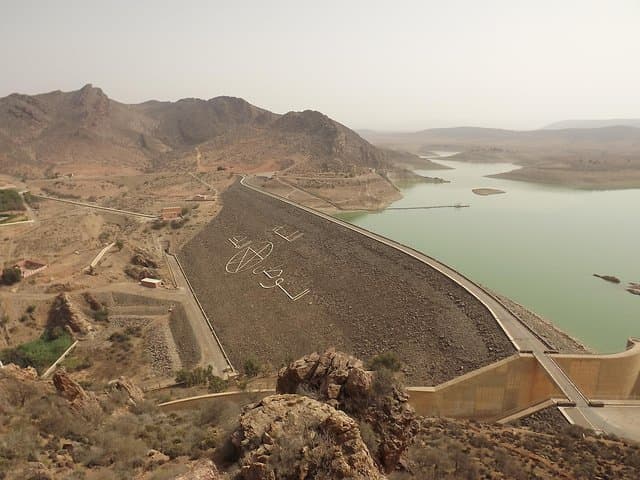
By midmorning the road narrows, farmland replaces beachfront villas, and the driver eases up to the Dam of Sidi Youssef Ben Tachafine — a broad concrete lip that tames the Massa river for irrigation and drinking water.
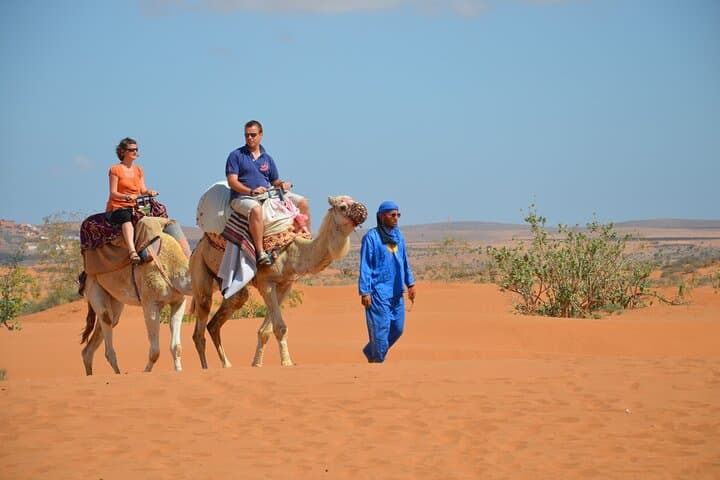
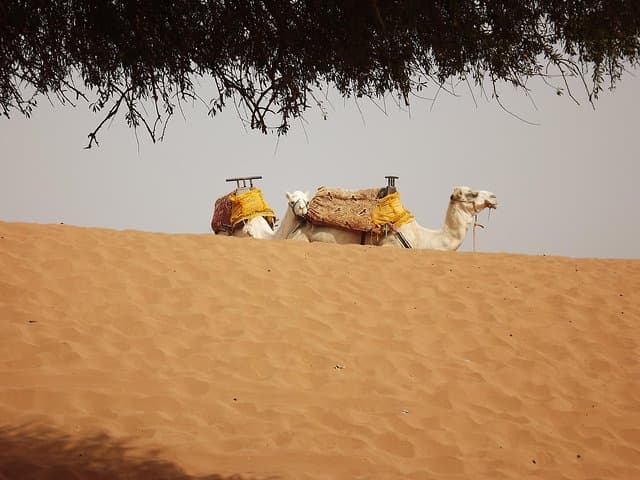
From the dam the trip moves into a surprising patchwork: rippling mini-dunes that dare you to climb, banana plantations clinging to the river margins, and salt-scrub flats that feed the coastal bird reserve.
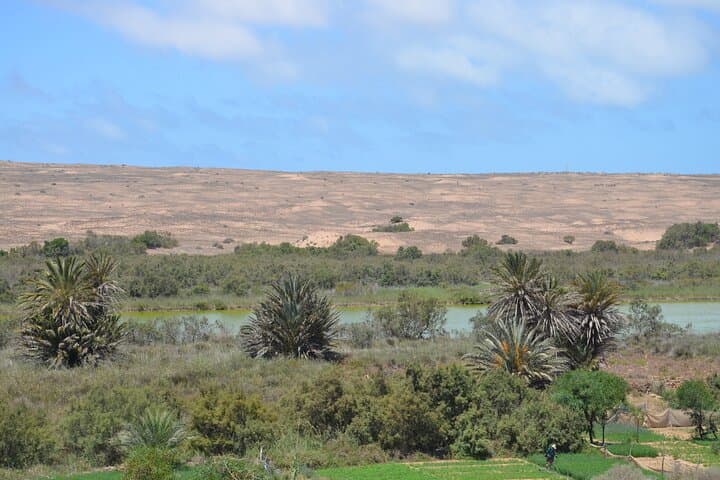
The Oued Massa estuary is the tour's ecological centerpiece; its shallow marshes attract flamingos, herons and migrating shorebirds that treat the shallows like a staged runway.
Later the van drops you at a broad, wild beach — Sidi Rbat and the wider Sidi Ifni coastline — where ocean swells push and pull like a living wall, and the shoreline opens into long sand and wind-sculpted rock.
Historically this stretch links Amazigh coastal communities, colonial-era fishing posts and modern conservation efforts; the dam itself reshaped local agriculture in the 20th century while the bird reserve preserves crucial stopover habitat.
Practical guidance: wear sturdy shoes for dune sand and uneven paths, bring binoculars for the reserve, and expect dusty wind in exposed sections. Lunch is included, but carry sunscreen and layered clothing — coastal winds can turn cool fast.
Aim to leave Agadir around 9:00 and return by late afternoon; mornings and late afternoons are best for bird activity and softer light for photos. Respect marked paths at the reserve and leave no trace — these habitats are fragile and globally important for migratory birds.
Verified experiences and guided adventures in the surrounding area.
Operated by Face Tours · Massa, Souss-Massa
Morning light slices the Atlantic as a private minivan pulls away from Agadir and heads south along the coast.
By midmorning the road narrows, farmland replaces beachfront villas, and the driver eases up to the Dam of Sidi Youssef Ben Tachafine — a broad concrete lip that tames the Massa river for irrigation and drinking water.
From the dam the trip moves into a surprising patchwork: rippling mini-dunes that dare you to climb, banana plantations clinging to the river margins, and salt-scrub flats that feed the coastal bird reserve.
The Oued Massa estuary is the tour's ecological centerpiece; its shallow marshes attract flamingos, herons and migrating shorebirds that treat the shallows like a staged runway.
Later the van drops you at a broad, wild beach — Sidi Rbat and the wider Sidi Ifni coastline — where ocean swells push and pull like a living wall, and the shoreline opens into long sand and wind-sculpted rock.
Historically this stretch links Amazigh coastal communities, colonial-era fishing posts and modern conservation efforts; the dam itself reshaped local agriculture in the 20th century while the bird reserve preserves crucial stopover habitat.
Practical guidance: wear sturdy shoes for dune sand and uneven paths, bring binoculars for the reserve, and expect dusty wind in exposed sections. Lunch is included, but carry sunscreen and layered clothing — coastal winds can turn cool fast.
Aim to leave Agadir around 9:00 and return by late afternoon; mornings and late afternoons are best for bird activity and softer light for photos. Respect marked paths at the reserve and leave no trace — these habitats are fragile and globally important for migratory birds.
moderate.
8 hours.
Moderate fitness recommended — mostly vehicle transport with short to moderate walks on sand and uneven paths
Pickup and drop-off are provided from hotels in Agadir; you'll confirm a pickup point and time during booking.
Walking is short to moderate: brief dune climbs, short estuary boardwalks or viewpoints, and beach access — mostly optional and adaptable to fitness level.
The tour lists wheelchair-accessible transport and some accessible surfaces, but access to dunes, beaches and some reserve paths may be limited; contact the operator for details.
Expect shorebirds such as flamingos, herons and waders; sightings vary by season and tide, so mornings and late afternoons are best for activity.
The Massa corridor has long supported Amazigh coastal communities; the 20th-century dam reshaped irrigation and local agriculture while conservation efforts later protected the estuary.
The Oued Massa estuary is a designated bird reserve — avoid trampling marsh plants, stick to paths and pack out all waste to protect feeding grounds for migratory species.
Face Tours operates guided outdoor trips and adventures with an emphasis on safety, stewardship, and memorable experiences.
Morning light slices the Atlantic as a private minivan pulls away from Agadir and heads south along the coast.
By midmorning the road narrows, farmland replaces beachfront villas, and the driver eases up to the Dam of Sidi Youssef Ben Tachafine — a broad concrete lip that tames the Massa river for irrigation and drinking water.
From the dam the trip moves into a surprising patchwork: rippling mini-dunes that dare you to climb, banana plantations clinging to the river margins, and salt-scrub flats that feed the coastal bird reserve.
The Oued Massa estuary is the tour's ecological centerpiece; its shallow marshes attract flamingos, herons and migrating shorebirds that treat the shallows like a staged runway.
Later the van drops you at a broad, wild beach — Sidi Rbat and the wider Sidi Ifni coastline — where ocean swells push and pull like a living wall, and the shoreline opens into long sand and wind-sculpted rock.
Historically this stretch links Amazigh coastal communities, colonial-era fishing posts and modern conservation efforts; the dam itself reshaped local agriculture in the 20th century while the bird reserve preserves crucial stopover habitat.
Practical guidance: wear sturdy shoes for dune sand and uneven paths, bring binoculars for the reserve, and expect dusty wind in exposed sections. Lunch is included, but carry sunscreen and layered clothing — coastal winds can turn cool fast.
Aim to leave Agadir around 9:00 and return by late afternoon; mornings and late afternoons are best for bird activity and softer light for photos. Respect marked paths at the reserve and leave no trace — these habitats are fragile and globally important for migratory birds.