THE ADVENTURE COLLECTIVE® · Independent discovery and booking for outdoor travel

Slip off Wrightsville Beach for a one- to two-hour naturalist-led cruise around Masonboro Island. Expect shorebird ID, estuary ecology and a good chance to spot bottlenose dolphins while learning why this barrier island matters.
Slip off Wrightsville Beach for a one- to two-hour naturalist-led cruise around Masonboro Island. Expect shorebird ID, estuary ecology and a good chance to spot bottlenose dolphins while learning why this barrier island matters.
The engine rasp fades and the Atlantic breeze fills the open deck as your boat slips out from Wrightsville Beach. Sand dunes give way to a narrow white spine of Masonboro Island, while tidal flats and salt marshes spread like a living map. Shorebirds scatter along the edge of surf, and an inquisitive dorsal fin may chop the water nearby — the island dares you to look closer.
Verified experiences and guided adventures in the surrounding area.
Operated by Wrightsville Beach Scenic Tours · Wrightsville Beach, North Carolina
The engine rasp fades and the Atlantic breeze fills the open deck as your boat slips out from Wrightsville Beach. Sand dunes give way to a narrow white spine of Masonboro Island, while tidal flats and salt marshes spread like a living map. Shorebirds scatter along the edge of surf, and an inquisitive dorsal fin may chop the water nearby — the island dares you to look closer.
Masonboro Island is one of North Carolina’s largest undeveloped barrier islands and a protected marine reserve. The landscape is shaped each season by storms, tides and shifting sand: wind-sculpted dunes, eelgrass beds, oyster reefs and tidal channels that teach the local ecology. Wrightsville Beach itself has a long coastal history — fishing, ferry crossings and a small-town surf culture that still defines the harbor towns here.
On a 60–120 minute naturalist-guided cruise you’ll learn shorebird ID, foraging behavior and how the barrier island buffers inland communities. Expect clear, practical commentary on nesting seasons, tidal rhythms and the limits of human access to fragile zones.
Plan for sun, spray and wind: mornings are often best for bird activity and calmer seas; late afternoon brings warm light and more dolphin sightings. The boat departs from Wrightsville Beach Boating Access (109 Causeway Dr); bottled water is provided. Life jackets and accessible boarding options are available, and cancellations are refundable up to 24 hours prior. Bring binoculars, a wind layer, sunscreen and a camera — the trip is short, but the coastal systems you’ll see feel vast and immediate.
easy.
1–2 hours.
Suitable for most fitness levels; minimal mobility required to board and move around the deck.
The cruise departs from Wrightsville Beach Boating Access at 109 Causeway Dr and returns to the same landing; check in at the meeting point listed on your ticket.
Sightings are common but not guaranteed; naturalists focus on shorebird biology and estuary ecology, and dolphins are frequently seen in the surrounding waters.
Yes — the operator lists wheelchair-accessible transportation and boarding options, and infants can sit on laps with specialized infant seats available.
For a full refund cancel at least 24 hours before departure; trips may also be canceled for bad weather or insufficient travelers.
Wrightsville Beach grew up around fishing and small ferries; Masonboro Island’s relative isolation preserved its role as a natural buffer and wildlife refuge.
Masonboro Island is managed to protect nesting birds and fragile dune systems — staying off closed sections and following guides helps reduce human impact.
Wrightsville Beach Scenic Tours operates guided outdoor trips and adventures with an emphasis on safety, stewardship, and memorable experiences.
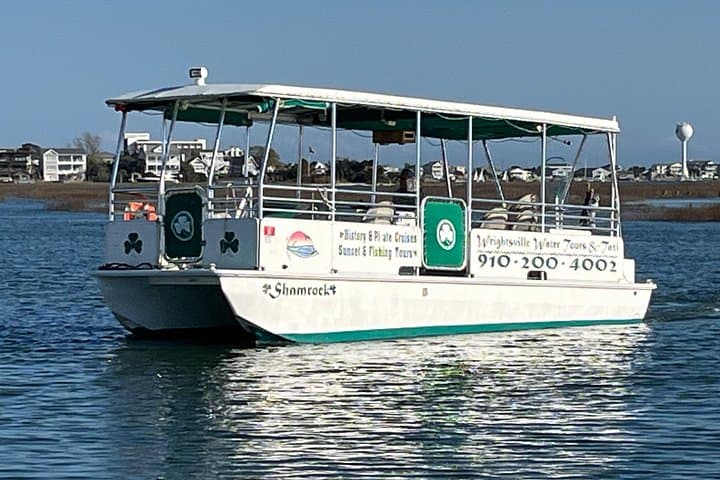
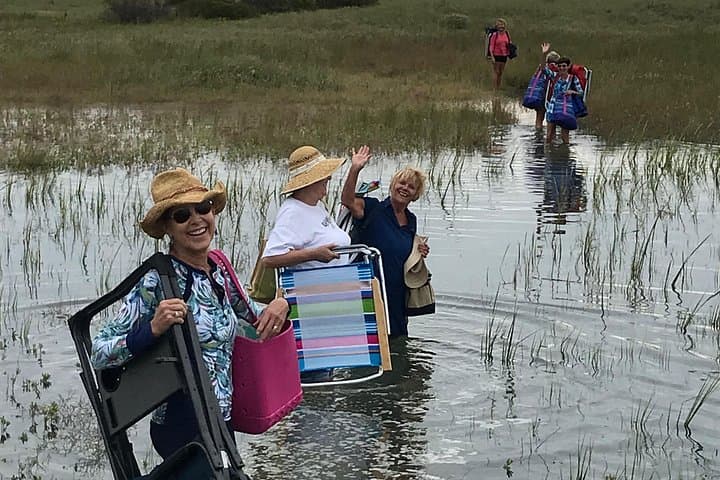
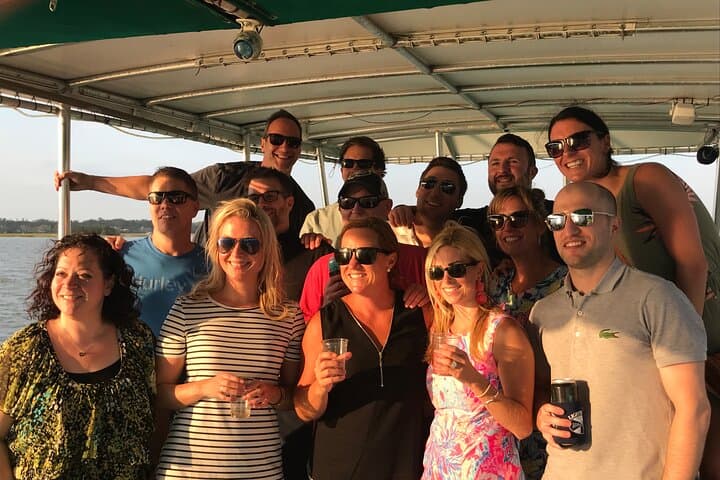
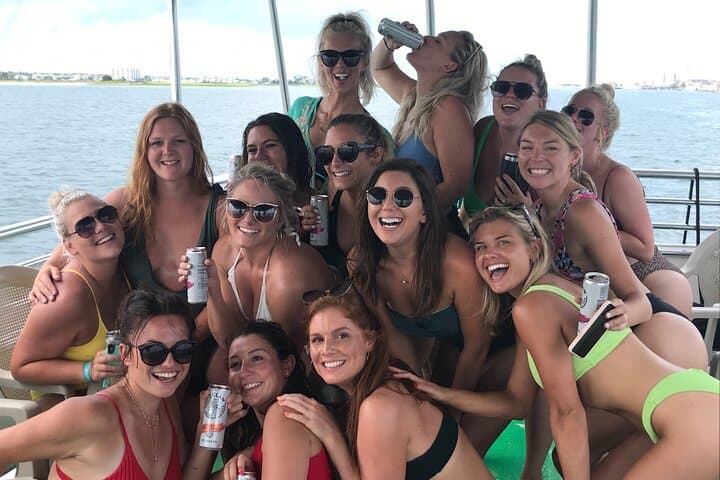
The engine rasp fades and the Atlantic breeze fills the open deck as your boat slips out from Wrightsville Beach. Sand dunes give way to a narrow white spine of Masonboro Island, while tidal flats and salt marshes spread like a living map. Shorebirds scatter along the edge of surf, and an inquisitive dorsal fin may chop the water nearby — the island dares you to look closer.
The engine rasp fades and the Atlantic breeze fills the open deck as your boat slips out from Wrightsville Beach. Sand dunes give way to a narrow white spine of Masonboro Island, while tidal flats and salt marshes spread like a living map. Shorebirds scatter along the edge of surf, and an inquisitive dorsal fin may chop the water nearby — the island dares you to look closer.
Masonboro Island is one of North Carolina’s largest undeveloped barrier islands and a protected marine reserve. The landscape is shaped each season by storms, tides and shifting sand: wind-sculpted dunes, eelgrass beds, oyster reefs and tidal channels that teach the local ecology. Wrightsville Beach itself has a long coastal history — fishing, ferry crossings and a small-town surf culture that still defines the harbor towns here.
On a 60–120 minute naturalist-guided cruise you’ll learn shorebird ID, foraging behavior and how the barrier island buffers inland communities. Expect clear, practical commentary on nesting seasons, tidal rhythms and the limits of human access to fragile zones.
Plan for sun, spray and wind: mornings are often best for bird activity and calmer seas; late afternoon brings warm light and more dolphin sightings. The boat departs from Wrightsville Beach Boating Access (109 Causeway Dr); bottled water is provided. Life jackets and accessible boarding options are available, and cancellations are refundable up to 24 hours prior. Bring binoculars, a wind layer, sunscreen and a camera — the trip is short, but the coastal systems you’ll see feel vast and immediate.