THE ADVENTURE COLLECTIVE® · Independent discovery and booking for outdoor travel

Travel by air-conditioned vehicle from Granada to Masaya Volcano National Park for a guided night viewing of Santiago Crater’s lava glow. This specialized, four-hour tour combines geology, local history, and close-up crater observation with bilingual, certified guides.
Travel by air-conditioned vehicle from Granada to Masaya Volcano National Park for a guided night viewing of Santiago Crater’s lava glow. This specialized, four-hour tour combines geology, local history, and close-up crater observation with bilingual, certified guides.
At dusk the road from Granada narrows and the air cools; headlights pick out trees and the silhouette of the volcanic cone ahead. On this night tour, travelers arrive at Masaya Volcano National Park after a short, air-conditioned ride and stand at the crater rim as the darkness throws the lava glow into sharp relief. The light feels alive, pulsing and patient, as the crater’s heat and gases remind you that the land here is still changing.
Verified experiences and guided adventures in the surrounding area.
Operated by Golden Tours Nicaragua · Masaya, Masaya Department
At dusk the road from Granada narrows and the air cools; headlights pick out trees and the silhouette of the volcanic cone ahead. On this night tour, travelers arrive at Masaya Volcano National Park after a short, air-conditioned ride and stand at the crater rim as the darkness throws the lava glow into sharp relief. The light feels alive, pulsing and patient, as the crater’s heat and gases remind you that the land here is still changing.
Masaya has been a focal point for local communities and colonial observers for centuries — a place of indigenous reverence and later scientific study. Geologically it’s part of Nicaragua’s volcanic front: basaltic magma produces persistent glow at Santiago Crater and the nearby lava lake features intermittent brightness rather than open rivers of fire. Culturally, vendors and small museums around the park interpret the region’s role in Masaya’s artisanal towns and colonial-era routes.
Expect short walks on paved viewpoints and fenced rims, guarded by park staff. Guides explain volcanic terms, point out fumaroles, and time the group for the clearest viewing windows.
Practical guidance: dress in layers and bring a headlamp; nighttime at the rim is cool and wind-exposed. The experience is short — about four hours round-trip from Granada — but includes transportation and park entrance. Travelers with cardiovascular issues should avoid close rim exposure; photographers should carry lenses with mid-range focal lengths for low-light shots. Plan for a late return to Granada and allow time for quiet observation — the glow often performs in minutes, not hours.
easy.
4 hours.
Minimal fitness required — mostly short walks and standing at viewpoints; not recommended for those with serious heart or respiratory conditions.
The tour is about four hours round-trip and departs Granada in an air-conditioned vehicle, returning the same evening.
Designated viewpoints are fenced and monitored by park staff; close exposure is controlled and visitors should follow guide instructions—those with cardiovascular issues are advised not to go near the rim.
Yes, the tour price includes Masaya Volcano National Park entrance fees and an experienced, certified bilingual guide.
Children can join; infant seats are available and small children may ride in strollers, but infants must sit on laps per park rules.
Masaya has been observed and recorded since pre-Columbian times; Spanish chroniclers noted fumaroles and indigenous rituals at the site, and the park now combines cultural exhibits with geological study.
The park monitors gas emissions and visitor access to protect fragile crater rims; visitors are asked to stay on designated paths, avoid littering, and respect local communities impacted by tourism.
Golden Tours Nicaragua operates guided outdoor trips and adventures with an emphasis on safety, stewardship, and memorable experiences.
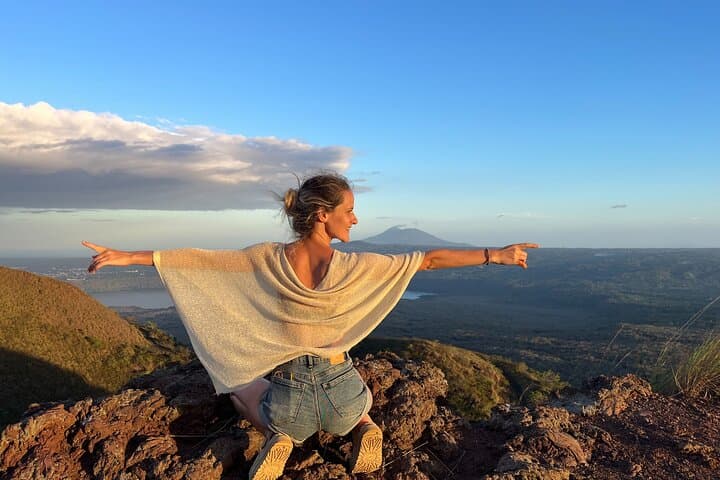
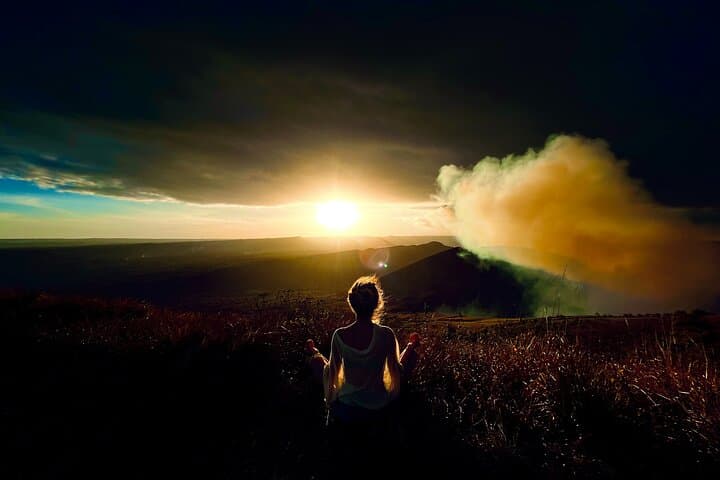
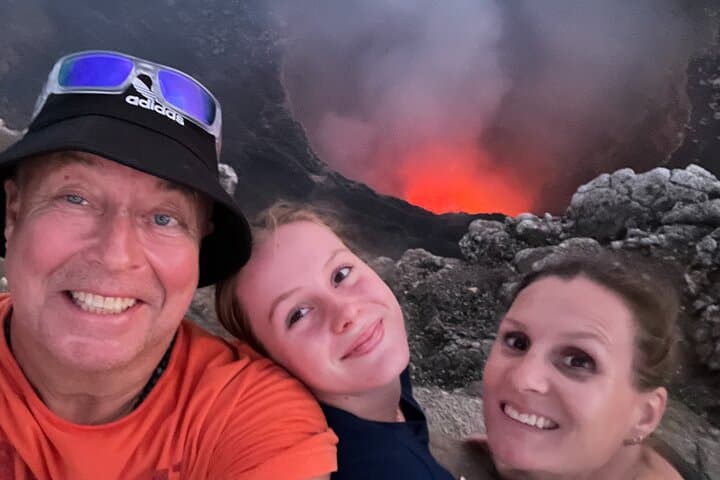
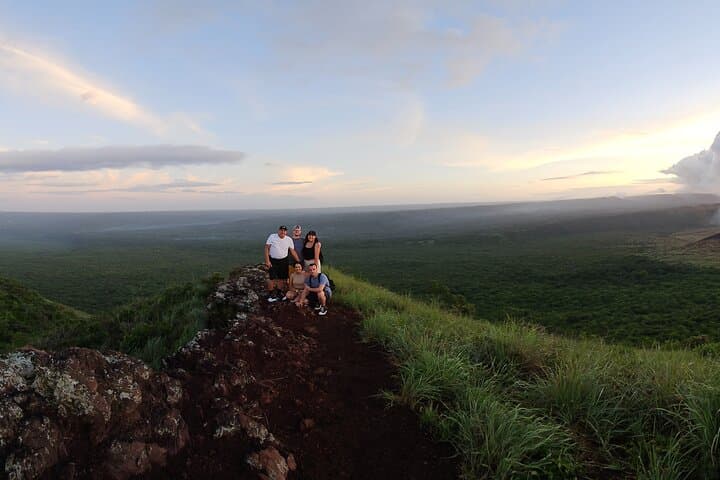
At dusk the road from Granada narrows and the air cools; headlights pick out trees and the silhouette of the volcanic cone ahead. On this night tour, travelers arrive at Masaya Volcano National Park after a short, air-conditioned ride and stand at the crater rim as the darkness throws the lava glow into sharp relief. The light feels alive, pulsing and patient, as the crater’s heat and gases remind you that the land here is still changing.
At dusk the road from Granada narrows and the air cools; headlights pick out trees and the silhouette of the volcanic cone ahead. On this night tour, travelers arrive at Masaya Volcano National Park after a short, air-conditioned ride and stand at the crater rim as the darkness throws the lava glow into sharp relief. The light feels alive, pulsing and patient, as the crater’s heat and gases remind you that the land here is still changing.
Masaya has been a focal point for local communities and colonial observers for centuries — a place of indigenous reverence and later scientific study. Geologically it’s part of Nicaragua’s volcanic front: basaltic magma produces persistent glow at Santiago Crater and the nearby lava lake features intermittent brightness rather than open rivers of fire. Culturally, vendors and small museums around the park interpret the region’s role in Masaya’s artisanal towns and colonial-era routes.
Expect short walks on paved viewpoints and fenced rims, guarded by park staff. Guides explain volcanic terms, point out fumaroles, and time the group for the clearest viewing windows.
Practical guidance: dress in layers and bring a headlamp; nighttime at the rim is cool and wind-exposed. The experience is short — about four hours round-trip from Granada — but includes transportation and park entrance. Travelers with cardiovascular issues should avoid close rim exposure; photographers should carry lenses with mid-range focal lengths for low-light shots. Plan for a late return to Granada and allow time for quiet observation — the glow often performs in minutes, not hours.