THE ADVENTURE COLLECTIVE® · Independent discovery and booking for outdoor travel

Drive up to the rim of Masaya Volcano after dark for crater viewpoints, guided geology and cultural stories. Even without visible lava, the park’s trails and fumaroles offer a vivid, accessible volcanic experience from Granada.
Drive up to the rim of Masaya Volcano after dark for crater viewpoints, guided geology and cultural stories. Even without visible lava, the park’s trails and fumaroles offer a vivid, accessible volcanic experience from Granada.
A warm wind carries the smell of sulfur as the bus eases up the dark road toward Masaya Volcano. By night the crater rim reads like a distant city of embers, even when the molten lake is quiet; guides point out fumaroles and the deep, bowl-shaped crater, and the air vibrates with the low, geological hum of a volcano that has shaped human settlement for centuries.
Verified experiences and guided adventures in the surrounding area.
Operated by Adventour Nicaragua · Masaya, Masaya Department
A warm wind carries the smell of sulfur as the bus eases up the dark road toward Masaya Volcano. By night the crater rim reads like a distant city of embers, even when the molten lake is quiet; guides point out fumaroles and the deep, bowl-shaped crater, and the air vibrates with the low, geological hum of a volcano that has shaped human settlement for centuries.
Masaya sits on a chain of active volcanic vents formed by the Central American volcanic arc. Spanish chroniclers wrote of its eruptions in the 16th century, and local Miskito and indigenous Chorotega communities have long respected the volcano as a land of both danger and spiritual power. Walking the park’s trails gives a close-up lesson in basalt flows, ash deposits and decades of eruptive history.
On this guided evening tour from Granada the experience centers on panoramic crater viewpoints, guided geology commentary, and short, accessible trails rather than lava viewing — currently the lava lake is not visible. Guides are bilingual and provide context on volcanic hazards, park rules and cultural stories tied to the massif.
Practical notes: dress in layers (it cools quickly at the rim), wear closed shoes for rocky paths, carry water and a headlamp, and expect short hikes over uneven volcanic rock. The tour runs about 2–3 hours and suits most fitness levels. For travelers staying in Granada, this trip is a compact, interpretive introduction to one of Nicaragua’s most dramatic landscapes.
easy.
2–3 hours.
Suitable for most fitness levels; involves short walks on uneven volcanic terrain.
Not always—current conditions often mean the lava lake isn’t visible; the tour focuses on crater viewpoints, fumaroles and interpretive trails.
Yes; the tour is rated easy and accommodations like infant seats are often available, but infants typically must sit on an adult’s lap.
The transfer to Masaya Volcano is about 30–45 minutes from Granada by air-conditioned vehicle depending on traffic and exact pickup location.
Guides provided on this tour are typically certified and bilingual, offering commentary in Spanish and English.
Masaya has been an active volcanic center for centuries and was noted by Spanish colonists; indigenous communities historically regarded it as a powerful and dangerous place.
The park protects fragile volcanic soils and fumarolic areas—stick to marked trails, avoid collecting rocks, and follow guide instructions to minimize impact.
Adventour Nicaragua operates guided outdoor trips and adventures with an emphasis on safety, stewardship, and memorable experiences.
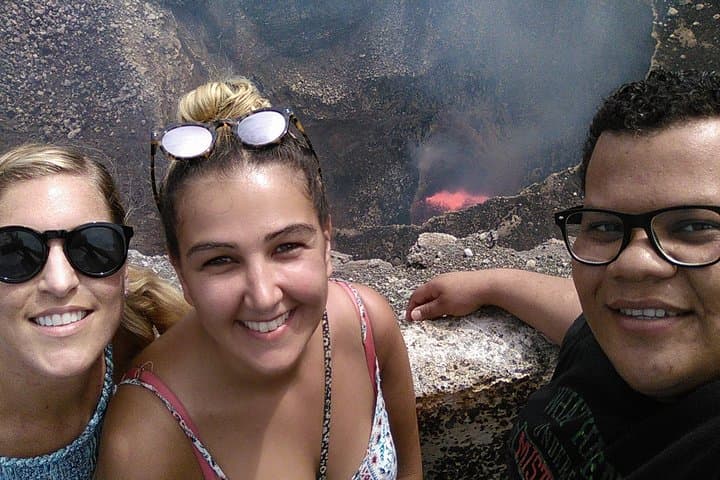
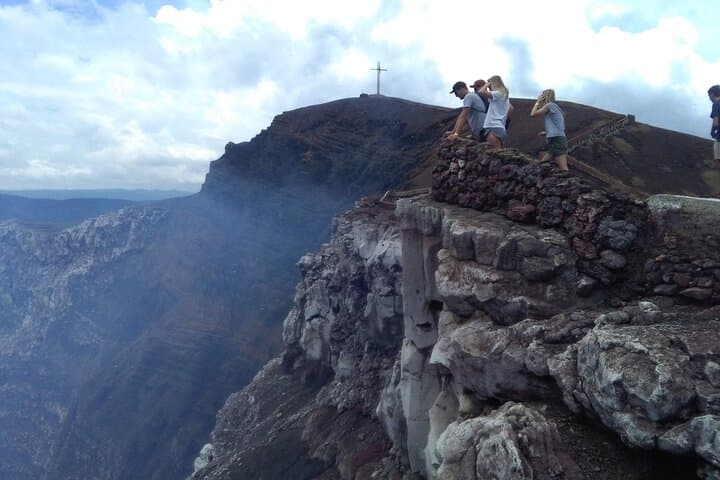
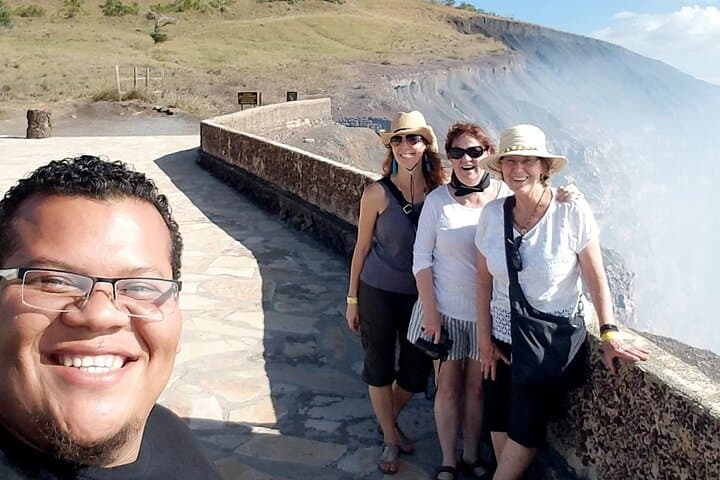
A warm wind carries the smell of sulfur as the bus eases up the dark road toward Masaya Volcano. By night the crater rim reads like a distant city of embers, even when the molten lake is quiet; guides point out fumaroles and the deep, bowl-shaped crater, and the air vibrates with the low, geological hum of a volcano that has shaped human settlement for centuries.
A warm wind carries the smell of sulfur as the bus eases up the dark road toward Masaya Volcano. By night the crater rim reads like a distant city of embers, even when the molten lake is quiet; guides point out fumaroles and the deep, bowl-shaped crater, and the air vibrates with the low, geological hum of a volcano that has shaped human settlement for centuries.
Masaya sits on a chain of active volcanic vents formed by the Central American volcanic arc. Spanish chroniclers wrote of its eruptions in the 16th century, and local Miskito and indigenous Chorotega communities have long respected the volcano as a land of both danger and spiritual power. Walking the park’s trails gives a close-up lesson in basalt flows, ash deposits and decades of eruptive history.
On this guided evening tour from Granada the experience centers on panoramic crater viewpoints, guided geology commentary, and short, accessible trails rather than lava viewing — currently the lava lake is not visible. Guides are bilingual and provide context on volcanic hazards, park rules and cultural stories tied to the massif.
Practical notes: dress in layers (it cools quickly at the rim), wear closed shoes for rocky paths, carry water and a headlamp, and expect short hikes over uneven volcanic rock. The tour runs about 2–3 hours and suits most fitness levels. For travelers staying in Granada, this trip is a compact, interpretive introduction to one of Nicaragua’s most dramatic landscapes.