THE ADVENTURE COLLECTIVE® · Independent discovery and booking for outdoor travel

Stand on the rim of an active crater, browse one of Nicaragua’s busiest artisan markets, and take in sweeping views from the White Villages — all in a single day from Granada. This practical guide tells you what to expect and how to prepare.
Stand on the rim of an active crater, browse one of Nicaragua’s busiest artisan markets, and take in sweeping views from the White Villages — all in a single day from Granada. This practical guide tells you what to expect and how to prepare.
A low, sulfur-scented wind hits first — a reminder that Masaya Volcano is alive. From the transfer out of Granada the road climbs past farmland and small towns until the crater rim opens: a black, steaming bowl that hisses and exhales clouds of gas. You stand along a guarded edge where guided groups rotate through short walks, cameras capturing the raw, close-up geology while the guide points out fumaroles and the old lava flows that shaped the valley.
Verified experiences and guided adventures in the surrounding area.
Operated by Nica Up Travel · Masaya, Masaya Department
A low, sulfur-scented wind hits first — a reminder that Masaya Volcano is alive. From the transfer out of Granada the road climbs past farmland and small towns until the crater rim opens: a black, steaming bowl that hisses and exhales clouds of gas. You stand along a guarded edge where guided groups rotate through short walks, cameras capturing the raw, close-up geology while the guide points out fumaroles and the old lava flows that shaped the valley.
Masaya is one of Nicaragua’s most accessible active volcanos, part of a larger volcanic complex that has shaped local settlement and lore for centuries. Indigenous Chorotega and Cacique-era histories speak of the crater as a powerful place; Spanish accounts from the 16th century noted its continual activity. Geologically the volcano sits on the Nicaraguan Depression and has produced both basaltic lava and extensive ash deposits — visible in the black scars around the rim.
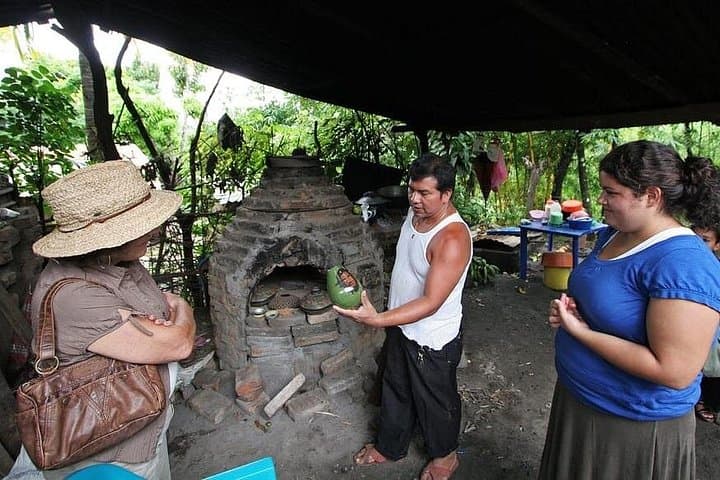
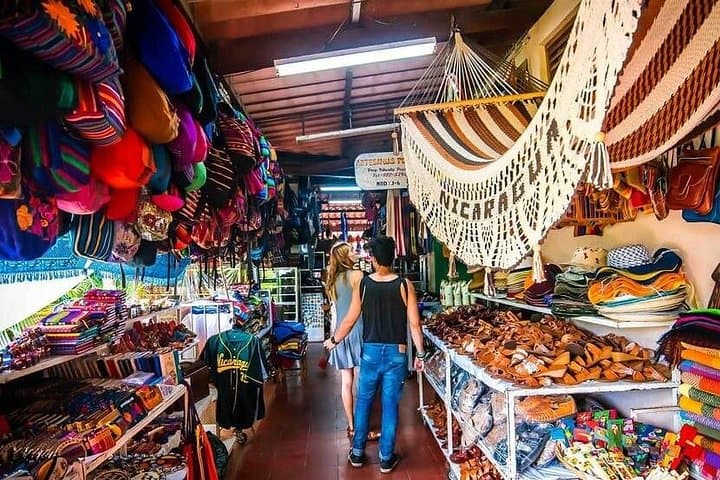
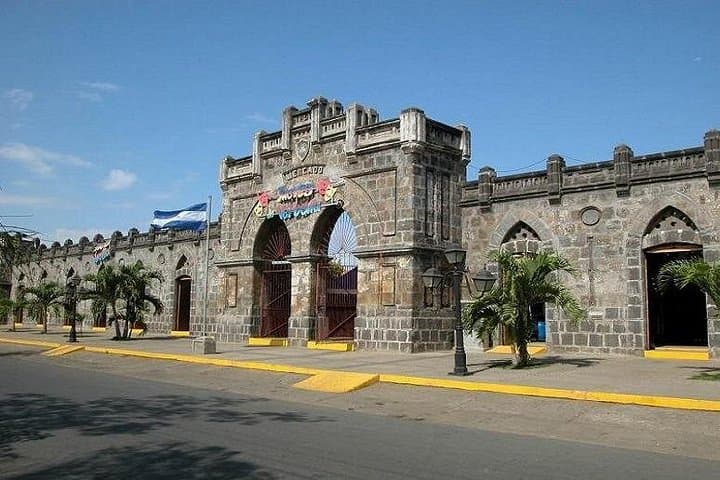
The tour balances that raw terrain with human textures: the Masaya Handicraft Market, where artisans sell woven hammocks, carved wood, and colorful ceramics; then the high viewpoints of Catarina and nearby whitewashed villages that frame Apoyo Lagoon in the distance.
Practical notes: expect easy walking on uneven, volcanic rock for short stretches, bring sun protection and a light wind layer for crater-top gusts, and carry small bills for the market. The tour is vehicle-based with guided stops — arrive with comfortable shoes, an empty water bottle to refill, and a readiness for sudden wind or sprinkle. Morning visits tend to have clearer air; late afternoons can be hazier with shifting gases.
easy.
6 hours.
Suitable for most fitness levels—short, uneven walks and getting on/off the vehicle required.
Yes — the tour includes guided, short walks along the crater rim on maintained paths; participants remain with the guide and don’t enter closed fumarole zones.
This tour typically includes entrance fees to the national park and round-trip transfers from Granada; confirm at booking for complete inclusions.
Masaya emits volcanic gases; guides monitor conditions and limit exposure, so follow instructions, avoid prolonged stays in strong fumes, and those with respiratory issues should consult a physician.
Yes — the Masaya Handicraft Market hosts many artisans selling textiles, woodwork, and ceramics; bring small cash and expect to negotiate politely.
Masaya has been a culturally significant site since pre-Columbian times; Spanish chroniclers and indigenous stories both highlight the crater’s central role in local belief and colonial-era observation.
Masaya Volcano National Park limits access around sensitive fumaroles and enforces visitor paths to protect fragile volcanic terrain and local air quality; support local artisans directly to keep traditional crafts viable.
Nica Up Travel operates guided outdoor trips and adventures with an emphasis on safety, stewardship, and memorable experiences.
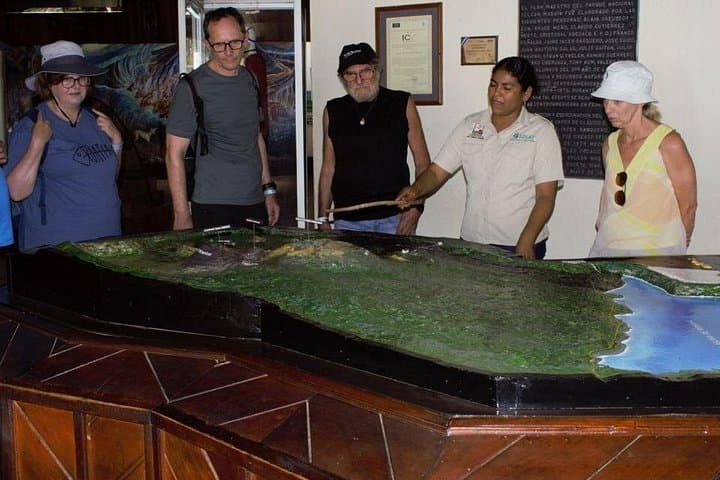
A low, sulfur-scented wind hits first — a reminder that Masaya Volcano is alive. From the transfer out of Granada the road climbs past farmland and small towns until the crater rim opens: a black, steaming bowl that hisses and exhales clouds of gas. You stand along a guarded edge where guided groups rotate through short walks, cameras capturing the raw, close-up geology while the guide points out fumaroles and the old lava flows that shaped the valley.
A low, sulfur-scented wind hits first — a reminder that Masaya Volcano is alive. From the transfer out of Granada the road climbs past farmland and small towns until the crater rim opens: a black, steaming bowl that hisses and exhales clouds of gas. You stand along a guarded edge where guided groups rotate through short walks, cameras capturing the raw, close-up geology while the guide points out fumaroles and the old lava flows that shaped the valley.
Masaya is one of Nicaragua’s most accessible active volcanos, part of a larger volcanic complex that has shaped local settlement and lore for centuries. Indigenous Chorotega and Cacique-era histories speak of the crater as a powerful place; Spanish accounts from the 16th century noted its continual activity. Geologically the volcano sits on the Nicaraguan Depression and has produced both basaltic lava and extensive ash deposits — visible in the black scars around the rim.
The tour balances that raw terrain with human textures: the Masaya Handicraft Market, where artisans sell woven hammocks, carved wood, and colorful ceramics; then the high viewpoints of Catarina and nearby whitewashed villages that frame Apoyo Lagoon in the distance.
Practical notes: expect easy walking on uneven, volcanic rock for short stretches, bring sun protection and a light wind layer for crater-top gusts, and carry small bills for the market. The tour is vehicle-based with guided stops — arrive with comfortable shoes, an empty water bottle to refill, and a readiness for sudden wind or sprinkle. Morning visits tend to have clearer air; late afternoons can be hazier with shifting gases.