THE ADVENTURE COLLECTIVE® · Independent discovery and booking for outdoor travel

Experience the wildebeest migration up close on an 8-day circuit from Nairobi through Aberdare, Ol Pejeta, Lake Nakuru and into the Masai Mara. Expect river crossings, big-cat sightings, and varied terrain from montane forest to open savanna.
Experience the wildebeest migration up close on an 8-day circuit from Nairobi through Aberdare, Ol Pejeta, Lake Nakuru and into the Masai Mara. Expect river crossings, big-cat sightings, and varied terrain from montane forest to open savanna.
Dawn breaks over grass that seems to go on forever—cool air, a low mist over the Mara River, and the distant ripple of hooves. This 8-day circuit moves from Nairobi into high-country forest at the Aberdares, across Ol Pejeta’s rhino-rich plains, past Lake Nakuru’s pink shoals, and finally onto the wide, wind-scoured savannas of the Masai Mara where the great wildebeest migration stages its most cinematic crossings.
Verified experiences and guided adventures in the surrounding area.
Operated by Africa Tours · Nairobi, Nairobi County
Dawn breaks over grass that seems to go on forever—cool air, a low mist over the Mara River, and the distant ripple of hooves. This 8-day circuit moves from Nairobi into high-country forest at the Aberdares, across Ol Pejeta’s rhino-rich plains, past Lake Nakuru’s pink shoals, and finally onto the wide, wind-scoured savannas of the Masai Mara where the great wildebeest migration stages its most cinematic crossings.
The route threads together Kenya’s Rift Valley geology and Maasai culture: volcanic escarpments and riverine gorges carved by tectonic forces, and grazing lands managed for centuries by pastoralists. Aberdare’s forest at roughly 7,000 ft (2,100 m) contrasts the Mara’s 1,500 m grasslands; you’ll pass paved and gravel roads, with single-track game trails where vehicles crawl for sightings. Expect drives of 120–300 km between parks, punctuated by short, bumpy game drives inside reserves.
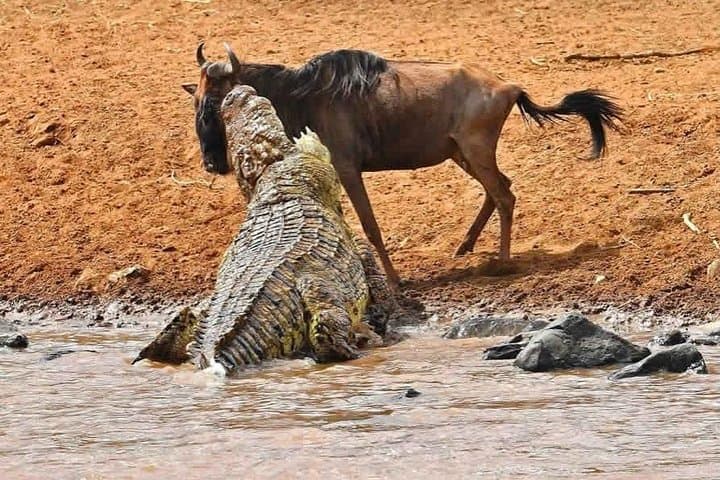
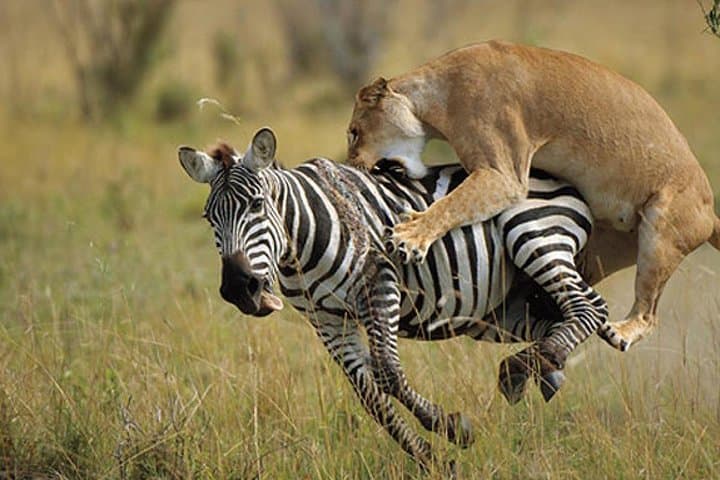
Natural history is front and center—the mass migration of wildebeest, zebra, and gazelle from July to October follows water and pasture, producing dramatic river crossings and predator encounters. Cultural contact comes from local Maasai communities and conservation projects such as Ol Pejeta’s rhino sanctuary.
Practical guidance: pack layered clothing for temperature swings, binoculars and a telephoto lens, and plan for long vehicle days with regular game stops. Hydrate, carry motion-sickness remedies for rough roads, and allow time for park entry procedures and early-morning game drives when wildlife is most active. With sensible preparation, this itinerary delivers some of East Africa’s most reliably spectacular wildlife viewing.
easy.
8 days.
Suitable for travelers in average fitness; requires ability to board safari vehicles and walk short distances at game stops.
The Mara sees the most dramatic river crossings from July through October, although exact timing varies by year and rainfall patterns.
Check current travel health advice; routine vaccinations are recommended and some travelers need a visa—confirm with Kenyan authorities before travel.
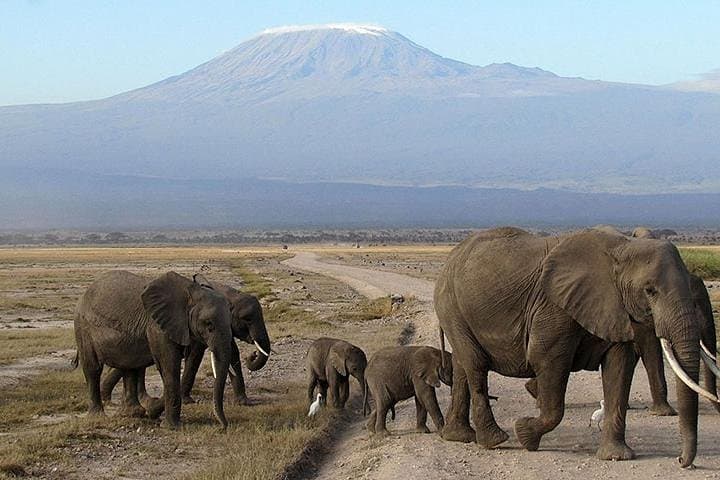
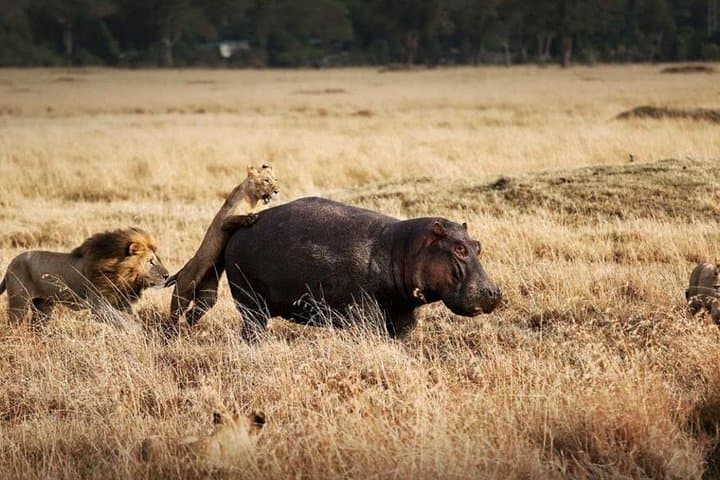
Expect reliable sightings of large mammals—wildebeest, zebra, buffalo, elephant—and high odds of predator encounters; sightings depend on season and luck.
The Masai Mara lies on the eastern edge of the Serengeti ecosystem; Maasai pastoralists have grazed these plains for centuries and the region sits along the East African Rift formed by tectonic rifting.
Conservation here focuses on anti-poaching, community-run conservancies, and rhino sanctuaries (e.g., Ol Pejeta) to protect key species and sustain local livelihoods.
Africa Tours operates guided outdoor trips and adventures with an emphasis on safety, stewardship, and memorable experiences.
Dawn breaks over grass that seems to go on forever—cool air, a low mist over the Mara River, and the distant ripple of hooves. This 8-day circuit moves from Nairobi into high-country forest at the Aberdares, across Ol Pejeta’s rhino-rich plains, past Lake Nakuru’s pink shoals, and finally onto the wide, wind-scoured savannas of the Masai Mara where the great wildebeest migration stages its most cinematic crossings.
Dawn breaks over grass that seems to go on forever—cool air, a low mist over the Mara River, and the distant ripple of hooves. This 8-day circuit moves from Nairobi into high-country forest at the Aberdares, across Ol Pejeta’s rhino-rich plains, past Lake Nakuru’s pink shoals, and finally onto the wide, wind-scoured savannas of the Masai Mara where the great wildebeest migration stages its most cinematic crossings.
The route threads together Kenya’s Rift Valley geology and Maasai culture: volcanic escarpments and riverine gorges carved by tectonic forces, and grazing lands managed for centuries by pastoralists. Aberdare’s forest at roughly 7,000 ft (2,100 m) contrasts the Mara’s 1,500 m grasslands; you’ll pass paved and gravel roads, with single-track game trails where vehicles crawl for sightings. Expect drives of 120–300 km between parks, punctuated by short, bumpy game drives inside reserves.
Natural history is front and center—the mass migration of wildebeest, zebra, and gazelle from July to October follows water and pasture, producing dramatic river crossings and predator encounters. Cultural contact comes from local Maasai communities and conservation projects such as Ol Pejeta’s rhino sanctuary.
Practical guidance: pack layered clothing for temperature swings, binoculars and a telephoto lens, and plan for long vehicle days with regular game stops. Hydrate, carry motion-sickness remedies for rough roads, and allow time for park entry procedures and early-morning game drives when wildlife is most active. With sensible preparation, this itinerary delivers some of East Africa’s most reliably spectacular wildlife viewing.