THE ADVENTURE COLLECTIVE® · Independent discovery and booking for outdoor travel

Experience the Masai Mara’s sweeping grasslands, early-morning predator hunts, and the annual wildebeest migration. This three-day safari mixes game drives with Maasai cultural visits and practical guidance for first-time visitors.
Experience the Masai Mara’s sweeping grasslands, early-morning predator hunts, and the annual wildebeest migration. This three-day safari mixes game drives with Maasai cultural visits and practical guidance for first-time visitors.
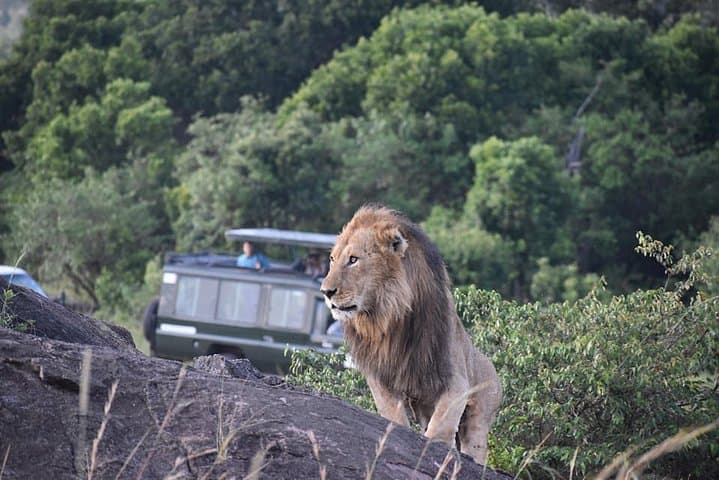
The sun breaks over an acacia-dotted horizon and the Mara awakens: a distant rumble of hooves, a lion’s silhouette thinning into gold. A Masai Mara safari moves at the pace of the land — long, deliberate drives across rolling grassland and river edges where life gathers and stakes its claim.
Verified experiences and guided adventures in the surrounding area.
Operated by Denki Travel · Narok, Narok County
The sun breaks over an acacia-dotted horizon and the Mara awakens: a distant rumble of hooves, a lion’s silhouette thinning into gold. A Masai Mara safari moves at the pace of the land — long, deliberate drives across rolling grassland and river edges where life gathers and stakes its claim.
The reserve takes its name from the Maasai people and the Mara River; set on the southwest corner of Kenya’s Rift Valley, it was protected in 1961. Geology is visible in the escarpments and river gullies that guide migration routes and shape predator ambushes. Cultural threads run close — the Maasai community retains pastoral traditions here, offering village visits that explain beadwork, cattle lore, and land stewardship.
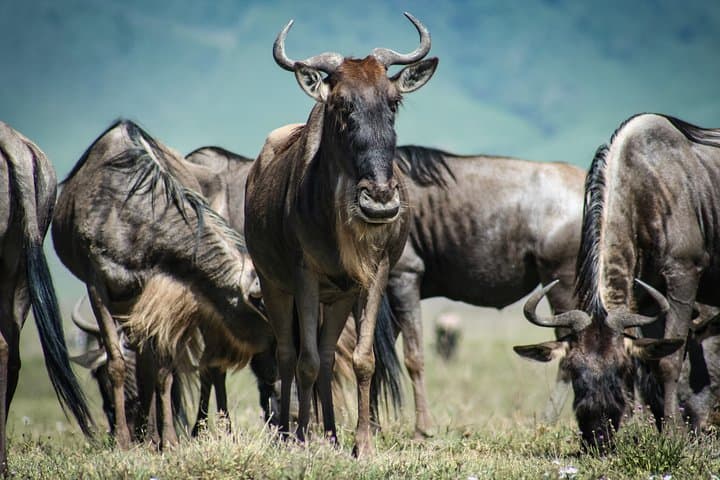
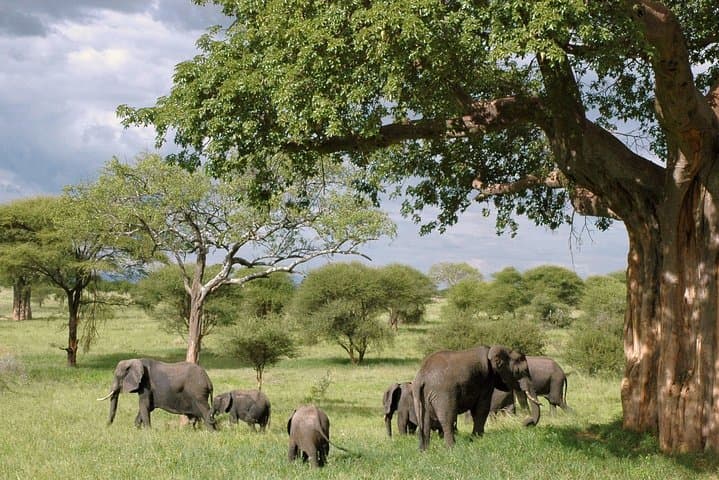
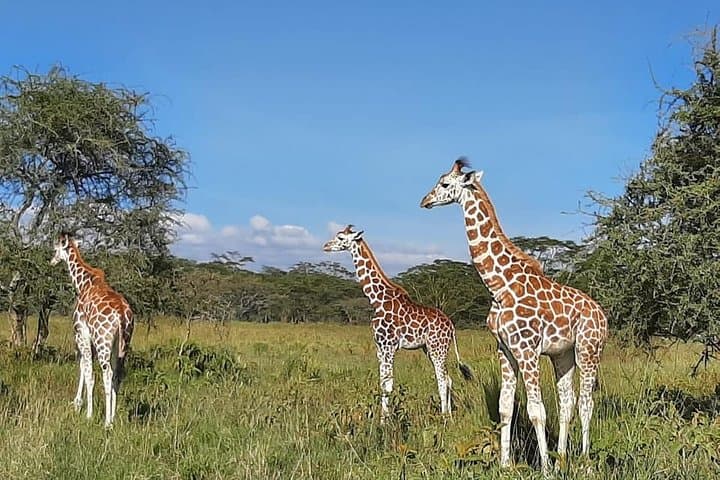
Expect full-day game drives, dawn departures to catch predators at work, and late-afternoon light that turns the plains copper. The wildebeest migration sweeps through on a roughly July–October rhythm; outside that window, resident populations of elephant, buffalo, leopard and an array of ungulates provide steady viewing. Guides read the land: spoor, river crossings, and quiet pools where hippos dominate.
Practical notes: vehicles are the primary transport; packing light, bringing binoculars, and timing drives around dawn and dusk maximize sightings. Rain can make dirt tracks slow — a waterproof layer and flexible schedule keep plans on track. Respect local customs during village visits and keep distance from wildlife; your guide manages safe approaches.
A Masai Mara safari is less a checklist than a series of encounters with a living landscape — patient, occasionally violent, and always teaching. Come prepared, move quietly, and let the Mara decide what you’ll see.
easy.
3 days.
Minimal walking required; be able to step into and out of safari vehicles and tolerate long periods seated on rough roads.
The crossing of the Mara River typically peaks between July and October; predators are active during this period and sightings are frequent.
This itinerary includes park entry fees and taxes as part of the listed inclusions—confirm on booking for any changes.
No; most viewing occurs from vehicles. Guests should be able to climb into a safari truck and endure dusty, bumpy roads for several hours.
Yes—many tours offer optional village visits to learn local customs; always follow guide direction and request permission before photographing.
Named for the Maasai people and the Mara River, the Masai Mara was formally protected in 1961 and has long been central to pastoral Maasai life.
Community conservancies and regulated tourism help fund anti-poaching and grazing agreements; stay on established routes and minimize waste to reduce impact.
Denki Travel operates guided outdoor trips and adventures with an emphasis on safety, stewardship, and memorable experiences.
The sun breaks over an acacia-dotted horizon and the Mara awakens: a distant rumble of hooves, a lion’s silhouette thinning into gold. A Masai Mara safari moves at the pace of the land — long, deliberate drives across rolling grassland and river edges where life gathers and stakes its claim.
The sun breaks over an acacia-dotted horizon and the Mara awakens: a distant rumble of hooves, a lion’s silhouette thinning into gold. A Masai Mara safari moves at the pace of the land — long, deliberate drives across rolling grassland and river edges where life gathers and stakes its claim.
The reserve takes its name from the Maasai people and the Mara River; set on the southwest corner of Kenya’s Rift Valley, it was protected in 1961. Geology is visible in the escarpments and river gullies that guide migration routes and shape predator ambushes. Cultural threads run close — the Maasai community retains pastoral traditions here, offering village visits that explain beadwork, cattle lore, and land stewardship.
Expect full-day game drives, dawn departures to catch predators at work, and late-afternoon light that turns the plains copper. The wildebeest migration sweeps through on a roughly July–October rhythm; outside that window, resident populations of elephant, buffalo, leopard and an array of ungulates provide steady viewing. Guides read the land: spoor, river crossings, and quiet pools where hippos dominate.
Practical notes: vehicles are the primary transport; packing light, bringing binoculars, and timing drives around dawn and dusk maximize sightings. Rain can make dirt tracks slow — a waterproof layer and flexible schedule keep plans on track. Respect local customs during village visits and keep distance from wildlife; your guide manages safe approaches.
A Masai Mara safari is less a checklist than a series of encounters with a living landscape — patient, occasionally violent, and always teaching. Come prepared, move quietly, and let the Mara decide what you’ll see.