
Masai Mara Interactive Safaris: 3-Day Cultural & Wildlife Safari from Nairobi
Swap Nairobi’s skyline for the sweeping plains of the Maasai Mara on a three‑day interactive safari that combines morning and afternoon game drives with cultural visits to Maasai villages. Expect big cats, river crossings during migration season, and guided insight into local Maasai life.
An Adventure In Nairobi.
Swap Nairobi’s skyline for the sweeping plains of the Maasai Mara on a three‑day interactive safari that combines morning and afternoon game drives with cultural visits to Maasai villages. Expect big cats, river crossings during migration season, and guided insight into local Maasai life.
Read the full experience
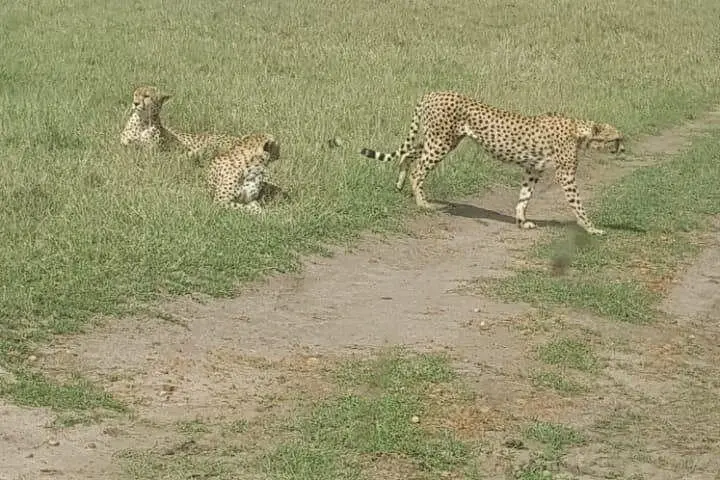
Dawn arrives over the Mara in a wash of gold; heat coils off the plains and the first wildebeest blur toward the river. On this three-day safari you trade city traffic for tracks cut by hooves, a pop‑up roof for an uninterrupted skyline, and the bustle of Nairobi for long horizons where lion prides lounge in the shade of flat‑topped acacias.
Dawn arrives over the Mara in a wash of gold; heat coils off the plains and the first wildebeest blur toward the river. On this three-day safari you trade city traffic for tracks cut by hooves, a pop‑up roof for an uninterrupted skyline, and the bustle of Nairobi for long horizons where lion prides lounge in the shade of flat‑topped acacias.
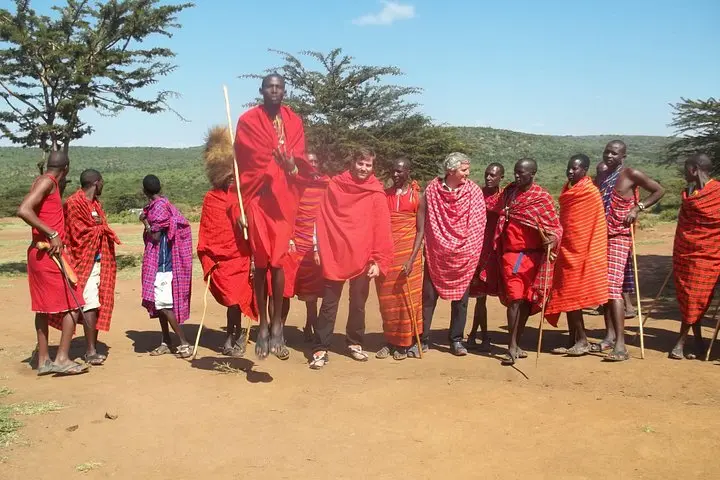
Geologically the Mara is the western edge of the East African Rift—broad plains punctuated by rounded kopjes and riverine forest along the Mara River. Human history here is recent and dynamic: Maasai pastoralists have grazed cattle on these grasslands for generations, and their villages and ceremonies remain an active, living part of the landscape. The reserve is famous for the Great Migration (June–September) when millions of wildebeest and zebra cross the Mara River, a yearly spectacle that shapes predator patterns and plant growth.
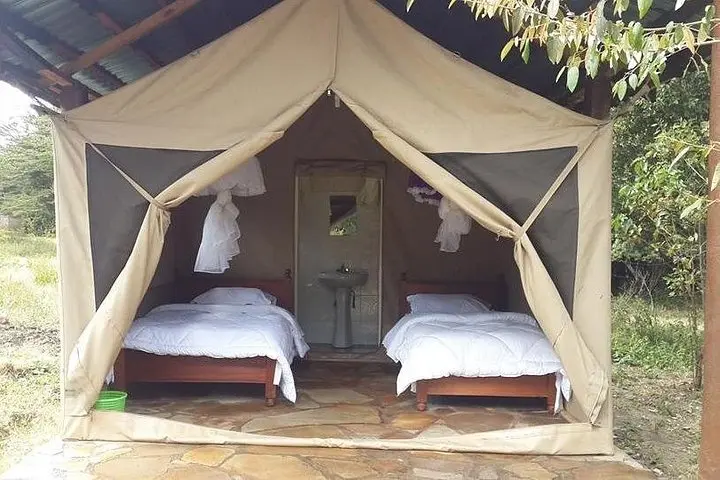
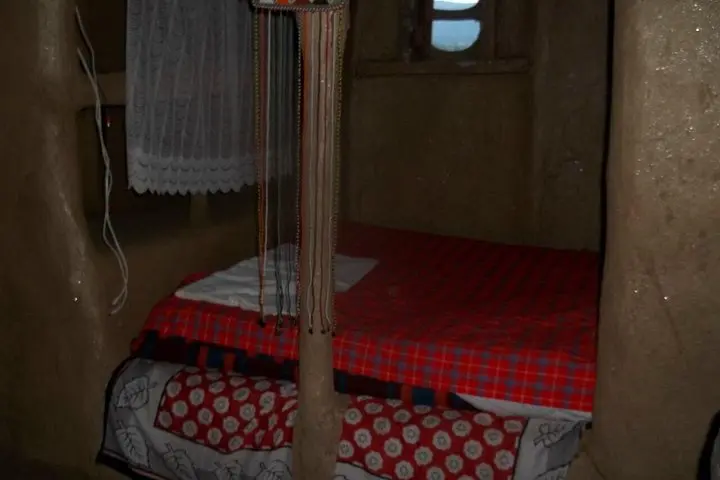
Practically, expect long game drives at first light and late afternoon, comfortable full‑board accommodation at a camp or lodge, and optional cultural visits to Maasai homesteads. Vehicles are specially equipped with pop‑up roofs for photography and viewing; drives can be dusty and bumpy, so bring sun protection, a good camera, and binoculars. Hot air ballooning and morning walks are available at extra cost for a different perspective.
Respect local customs when visiting villages, follow guide instructions around wildlife, and time your trip if you want the migration. Hydration, layered clothing for chilly mornings, and an awareness of park rules will make the experience safer and more rewarding.
Frequently asked questions
Consult your doctor before travel—malaria risk exists in Maasai Mara; routine travel vaccinations (e.g., yellow fever if required) and anti‑malarial medication are commonly recommended.
Yes—visits to Maasai homesteads are usually optional and guided; always follow your guide’s instructions and ask permission before photographing people.
No—hot air balloon safaris are an optional extra and must be booked in advance; they offer a unique aerial view but add early starts and additional cost.
Many operators offer wheelchair‑accessible transport and camps note accessibility, but terrain and vehicle boarding can be challenging—check with the provider for specific accommodations.
About This Experience
Poa Sana Safaris operates guided outdoor trips and adventures with an emphasis on safety, stewardship, and memorable experiences.
Adventure tips
Recommended gear
- Binoculars (8x–10x): Bring binoculars to pick out distant herds and perched predators on wide plains.
- Wide- and telephoto camera lenses: A telephoto lens captures wildlife behavior while a wide lens covers landscape and camp scenes.
- Sun hat & sunscreen: Midday sun on open savannah is strong—protect skin and eyes during long drives.
- Light layers and a windproof jacket: Mornings and evenings can be cold; layers let you adjust between chilly game drives and hot afternoons.
Photos of the experience
Related adventures & guides
Read the full experience
Dawn arrives over the Mara in a wash of gold; heat coils off the plains and the first wildebeest blur toward the river. On this three-day safari you trade city traffic for tracks cut by hooves, a pop‑up roof for an uninterrupted skyline, and the bustle of Nairobi for long horizons where lion prides lounge in the shade of flat‑topped acacias.
Dawn arrives over the Mara in a wash of gold; heat coils off the plains and the first wildebeest blur toward the river. On this three-day safari you trade city traffic for tracks cut by hooves, a pop‑up roof for an uninterrupted skyline, and the bustle of Nairobi for long horizons where lion prides lounge in the shade of flat‑topped acacias.
Geologically the Mara is the western edge of the East African Rift—broad plains punctuated by rounded kopjes and riverine forest along the Mara River. Human history here is recent and dynamic: Maasai pastoralists have grazed cattle on these grasslands for generations, and their villages and ceremonies remain an active, living part of the landscape. The reserve is famous for the Great Migration (June–September) when millions of wildebeest and zebra cross the Mara River, a yearly spectacle that shapes predator patterns and plant growth.
Practically, expect long game drives at first light and late afternoon, comfortable full‑board accommodation at a camp or lodge, and optional cultural visits to Maasai homesteads. Vehicles are specially equipped with pop‑up roofs for photography and viewing; drives can be dusty and bumpy, so bring sun protection, a good camera, and binoculars. Hot air ballooning and morning walks are available at extra cost for a different perspective.
Respect local customs when visiting villages, follow guide instructions around wildlife, and time your trip if you want the migration. Hydration, layered clothing for chilly mornings, and an awareness of park rules will make the experience safer and more rewarding.
Make a day of it nearby.
Verified experiences and guided adventures in the surrounding area.