THE ADVENTURE COLLECTIVE® · Independent discovery and booking for outdoor travel

Three days of guided game drives across Masai Mara, watching lions, elephants and the river drama of the Mara. Professional guides, vehicle transfers and meals are included—plan for early starts, long days, and essential optics.
Three days of guided game drives across Masai Mara, watching lions, elephants and the river drama of the Mara. Professional guides, vehicle transfers and meals are included—plan for early starts, long days, and essential optics.
You ease out of Narok before dawn, the savanna light thin and pale, and the air tastes of dust and distant rain. The vehicle hums along rutted track; acacia silhouettes puncture the sky. Over the next three days Parrot Safaris guides you through wide plains, riverine thickets and escarpment edges where lions loaf, elephants push through grass, and giraffes browse as if time were their own.
Verified experiences and guided adventures in the surrounding area.
Operated by Parrot Safaris · Masai Mara National Reserve, Narok County
You ease out of Narok before dawn, the savanna light thin and pale, and the air tastes of dust and distant rain. The vehicle hums along rutted track; acacia silhouettes puncture the sky. Over the next three days Parrot Safaris guides you through wide plains, riverine thickets and escarpment edges where lions loaf, elephants push through grass, and giraffes browse as if time were their own.
Masai Mara sits on the southern edge of the East African Rift, a landscape carved by tectonic forces and shaped into rolling grassland dissected by the Mara River. The reserve takes its name from the Maasai people who herd cattle here and the river that stitches the ecosystem together. Wildlife rhythms follow the seasons and, between July and October, the great wildebeest migration makes the Mara one of the planet’s most dynamic theatres.
Expect guided game drives from an open or closed safari vehicle, skilled local guides who read spoor and sky, and long daylight hours of observation with picnic lunches and roadside stops. Wildlife encounters are unpredictable; patience rewards you as much as timing.
Practical notes: dawn and dusk are cold—layer for early starts—and optics matter; a 7–14x binocular and a zoom lens transform distant silhouettes into behavior study. Bring cash for conservancy fees, tips and village visits, and plan on basic vehicle comfort rather than luxury. Respect distance rules around predators and river crossings: animals set the schedule, not the itinerary.
This trip balances immersive wilderness viewing with straightforward logistics—three days of deliberate, seat-and-scope exploration across one of Africa’s most famous reserves.
easy.
3 days (approx. 72 hours).
Low-impact: suitable for travelers who can sit for several hours with occasional short walks during stops.
The dry season (June–October) offers the most reliable big-game viewing and overlaps with the peak migration months (July–October). Short rains in November–December can also produce abundant birdlife and fewer crowds.
Yes; this operator notes wheelchair-accessible vehicles and facilities, and children can join—check age and lap-seat rules when booking.
Typical inclusions are vehicle transfers, bottled water, lunch and dinner, and airport transfers; confirm specifics and any additional park or conservancy fees before booking.
Yes—many itineraries offer optional cultural visits to local Maasai communities; these are usually separate stops that require respectful behavior and sometimes an additional fee.
The reserve is named for the Maasai people and the Mara River; its boundaries and management evolved through colonial-era game policies into today’s mixed system of national reserve and community conservancies.
Community conservancies play a crucial role in protecting corridors for the wildebeest migration and supporting Maasai livelihoods; visitors should favor operators that pay conservancy fees and follow low-impact guidelines.
Parrot Safaris operates guided outdoor trips and adventures with an emphasis on safety, stewardship, and memorable experiences.
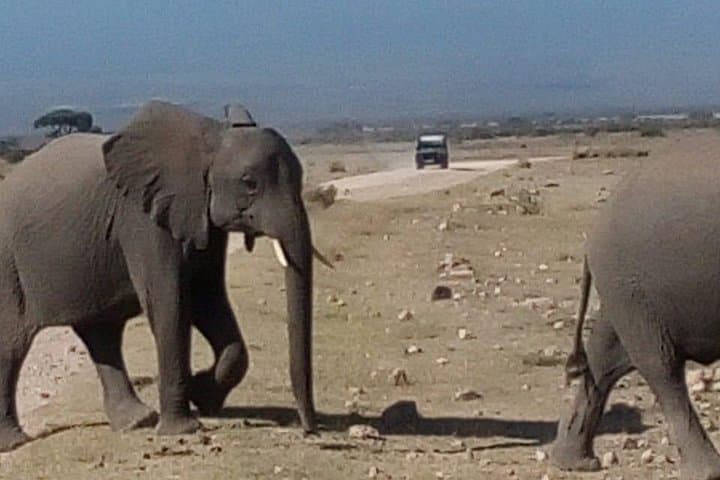
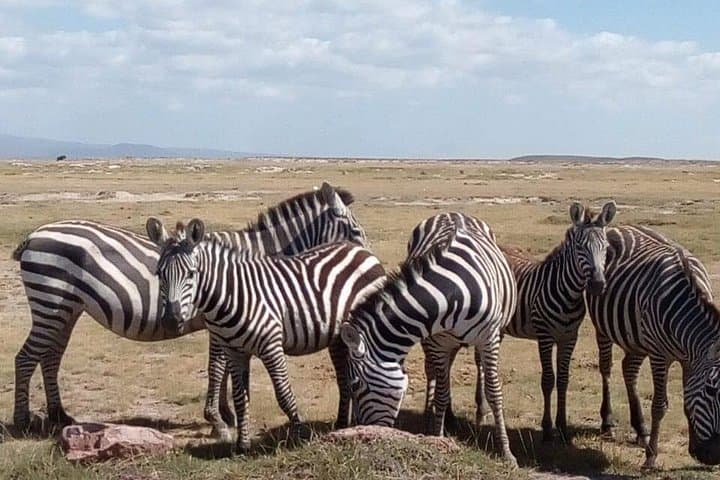
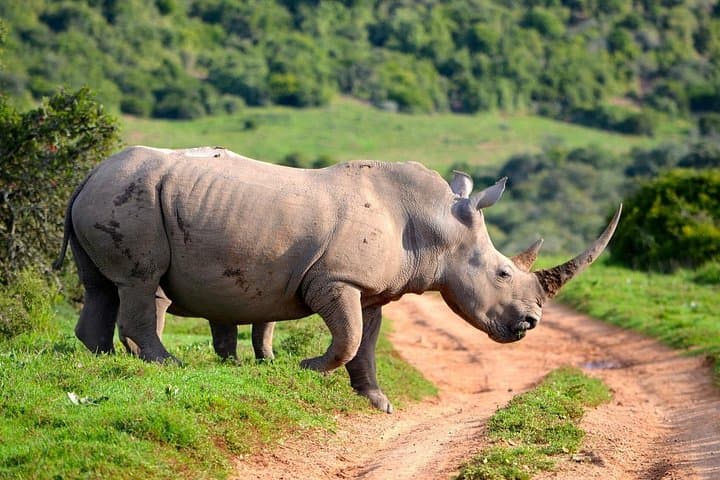
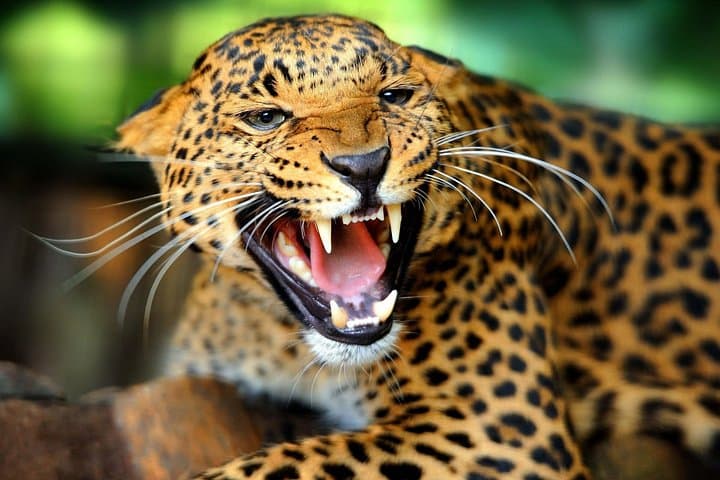
You ease out of Narok before dawn, the savanna light thin and pale, and the air tastes of dust and distant rain. The vehicle hums along rutted track; acacia silhouettes puncture the sky. Over the next three days Parrot Safaris guides you through wide plains, riverine thickets and escarpment edges where lions loaf, elephants push through grass, and giraffes browse as if time were their own.
You ease out of Narok before dawn, the savanna light thin and pale, and the air tastes of dust and distant rain. The vehicle hums along rutted track; acacia silhouettes puncture the sky. Over the next three days Parrot Safaris guides you through wide plains, riverine thickets and escarpment edges where lions loaf, elephants push through grass, and giraffes browse as if time were their own.
Masai Mara sits on the southern edge of the East African Rift, a landscape carved by tectonic forces and shaped into rolling grassland dissected by the Mara River. The reserve takes its name from the Maasai people who herd cattle here and the river that stitches the ecosystem together. Wildlife rhythms follow the seasons and, between July and October, the great wildebeest migration makes the Mara one of the planet’s most dynamic theatres.
Expect guided game drives from an open or closed safari vehicle, skilled local guides who read spoor and sky, and long daylight hours of observation with picnic lunches and roadside stops. Wildlife encounters are unpredictable; patience rewards you as much as timing.
Practical notes: dawn and dusk are cold—layer for early starts—and optics matter; a 7–14x binocular and a zoom lens transform distant silhouettes into behavior study. Bring cash for conservancy fees, tips and village visits, and plan on basic vehicle comfort rather than luxury. Respect distance rules around predators and river crossings: animals set the schedule, not the itinerary.
This trip balances immersive wilderness viewing with straightforward logistics—three days of deliberate, seat-and-scope exploration across one of Africa’s most famous reserves.