THE ADVENTURE COLLECTIVE® · Independent discovery and booking for outdoor travel

A single long day from Nairobi puts you on the grasslands of the Maasai Mara, where lions, elephants and migrating herds dominate the skyline. This full-day private tour focuses on high-impact wildlife viewing with a practical pace for travelers short on time.
A single long day from Nairobi puts you on the grasslands of the Maasai Mara, where lions, elephants and migrating herds dominate the skyline. This full-day private tour focuses on high-impact wildlife viewing with a practical pace for travelers short on time.
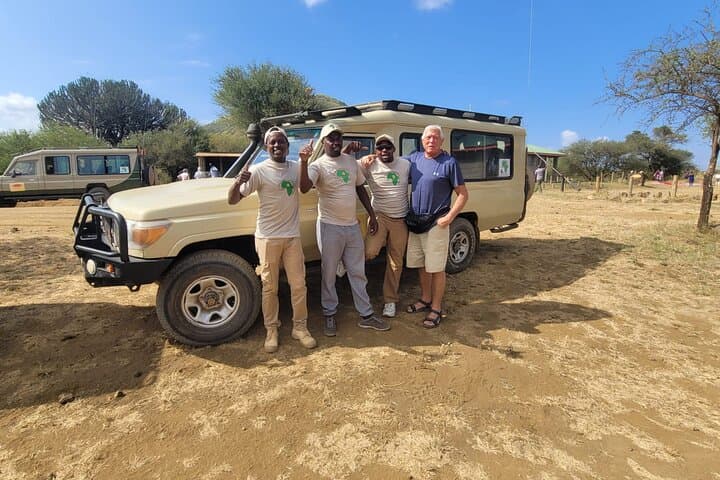
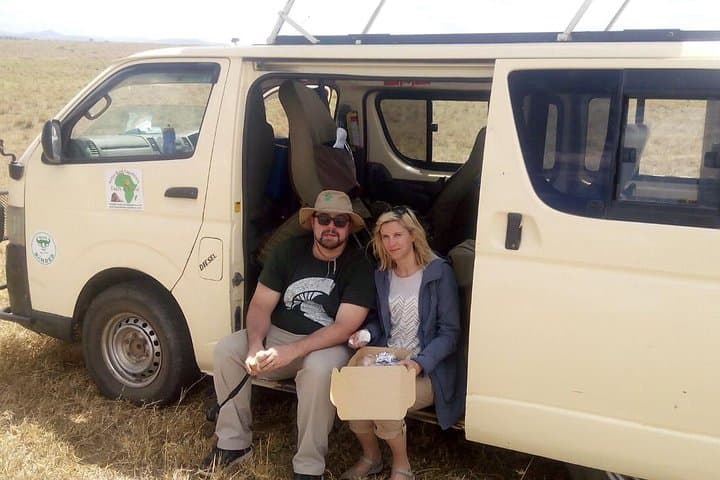
You slide into a roomy tour van before dawn and the road out of Nairobi opens like a promise. The Great Rift Valley floor drops away, scrub and red soil giving way to wide, grass-swept plains. By midmorning the Mara’s horizon is a moving smear of dark shapes — wildebeest, zebra, and the slow deliberation of elephant herds — and the park begins to rearrange itself around you.
Verified experiences and guided adventures in the surrounding area.
Operated by Kenya Bush Expeditions Tour and Travel · Maasai Mara, Narok County
You slide into a roomy tour van before dawn and the road out of Nairobi opens like a promise. The Great Rift Valley floor drops away, scrub and red soil giving way to wide, grass-swept plains. By midmorning the Mara’s horizon is a moving smear of dark shapes — wildebeest, zebra, and the slow deliberation of elephant herds — and the park begins to rearrange itself around you.
The Maasai Mara sits on the southern edge of the Serengeti ecosystem, shaped by tectonic fractures of the Rift and seasons of rain that dictate the great migrations. Maasai communities have lived here for centuries; their cultural presence is visible at primary roads and conservancy boundaries and informs modern conservation models around tourism revenue sharing.
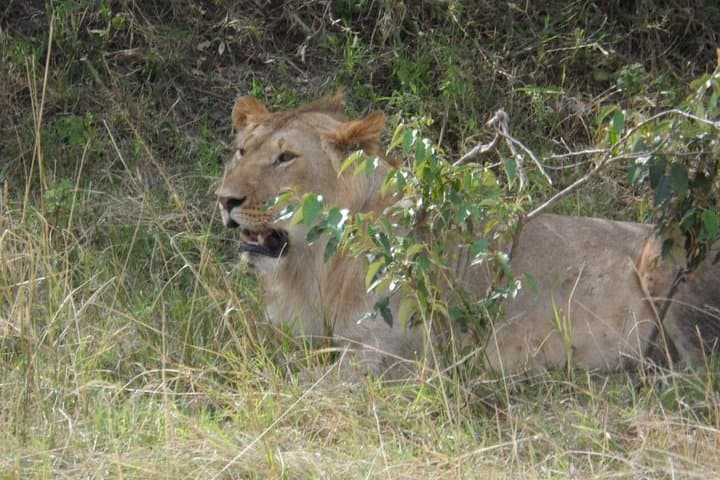
Expect open savanna, acacia stands, and undulating ridgelines where predators use shadow and slope to their advantage. Drives concentrate on sighting the big five — lion, leopard, elephant, buffalo and rhino — though cheetah and vast migration herds are also common. Guides read the landscape like a map of animal behavior: river bends, termite mounds and tracks are all clues.
Practically, this is a long day: early pickup from Nairobi or nearby towns, roughly 4–5 hours drive each way depending on traffic, a full day of game drives, lunch at a picnic site, and late-afternoon return. Bring sun protection, binoculars, and a camera with a long lens. Hydrate, wear layers for cool mornings and hot midday sun, and follow your driver-guide’s instructions around wildlife. With good planning this one-day run to the Mara delivers concentrated wildlife viewing and a clear sense of East Africa’s wild core.
moderate.
10–12 hours.
Basic stamina for a long day in a vehicle with occasional short walks at picnic or viewpoints
Expect about 4–5 hours each way depending on traffic and road conditions; early pickup is standard to maximize game drive time.
The tour targets the Big Five, and sightings are common but not guaranteed — wildlife is wild and sightings depend on season and chance.
This tour typically includes hotel pickup/drop-off, bottled water, lunch and park entry as specified — confirm inclusions at booking.
June–October is drier and often best for predator and migration viewing, though resident populations are viewable year-round.
The Maasai Mara was formally protected in the mid-20th century and its name recognizes the Maasai people who graze livestock around the reserve; community conservancies now play a key role in land stewardship.
Tourism revenues support conservancies and anti-poaching efforts; follow park rules and your guide to reduce disturbance and help sustain wildlife populations.
Kenya Bush Expeditions Tour and Travel operates guided outdoor trips and adventures with an emphasis on safety, stewardship, and memorable experiences.

You slide into a roomy tour van before dawn and the road out of Nairobi opens like a promise. The Great Rift Valley floor drops away, scrub and red soil giving way to wide, grass-swept plains. By midmorning the Mara’s horizon is a moving smear of dark shapes — wildebeest, zebra, and the slow deliberation of elephant herds — and the park begins to rearrange itself around you.
You slide into a roomy tour van before dawn and the road out of Nairobi opens like a promise. The Great Rift Valley floor drops away, scrub and red soil giving way to wide, grass-swept plains. By midmorning the Mara’s horizon is a moving smear of dark shapes — wildebeest, zebra, and the slow deliberation of elephant herds — and the park begins to rearrange itself around you.
The Maasai Mara sits on the southern edge of the Serengeti ecosystem, shaped by tectonic fractures of the Rift and seasons of rain that dictate the great migrations. Maasai communities have lived here for centuries; their cultural presence is visible at primary roads and conservancy boundaries and informs modern conservation models around tourism revenue sharing.
Expect open savanna, acacia stands, and undulating ridgelines where predators use shadow and slope to their advantage. Drives concentrate on sighting the big five — lion, leopard, elephant, buffalo and rhino — though cheetah and vast migration herds are also common. Guides read the landscape like a map of animal behavior: river bends, termite mounds and tracks are all clues.
Practically, this is a long day: early pickup from Nairobi or nearby towns, roughly 4–5 hours drive each way depending on traffic, a full day of game drives, lunch at a picnic site, and late-afternoon return. Bring sun protection, binoculars, and a camera with a long lens. Hydrate, wear layers for cool mornings and hot midday sun, and follow your driver-guide’s instructions around wildlife. With good planning this one-day run to the Mara delivers concentrated wildlife viewing and a clear sense of East Africa’s wild core.