THE ADVENTURE COLLECTIVE® · Independent discovery and booking for outdoor travel

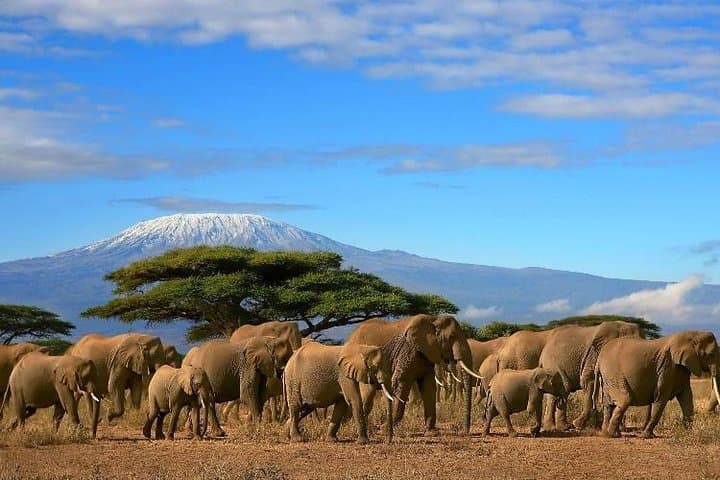
Three days of classic Mara game drives take you from Nairobi through the Rift Valley to open savanna where lions, elephants and the wildebeest migration shape the landscape. Expect dawn and dusk drives, river crossings in season, and a mix of camp and lodge accommodations.
Three days of classic Mara game drives take you from Nairobi through the Rift Valley to open savanna where lions, elephants and the wildebeest migration shape the landscape. Expect dawn and dusk drives, river crossings in season, and a mix of camp and lodge accommodations.
A diesel Land Cruiser crests a ridge and the Mara opens: miles of grass that bend and catch the morning light, acacia crowns picking out the horizon while the Mara River threads silver through the plains. Early on day one you drive from Nairobi across the Great Rift Valley—about 250–280 km depending on route—arriving as the light thins for a first evening game drive when predators are most active.
Verified experiences and guided adventures in the surrounding area.
Operated by Kenya Wildlife Tours & Safaris · Masai Mara, Narok County
A diesel Land Cruiser crests a ridge and the Mara opens: miles of grass that bend and catch the morning light, acacia crowns picking out the horizon while the Mara River threads silver through the plains. Early on day one you drive from Nairobi across the Great Rift Valley—about 250–280 km depending on route—arriving as the light thins for a first evening game drive when predators are most active.
The Masai Mara sits at roughly 1,500–1,800 m elevation on the Kenyan side of the Serengeti ecosystem. Geological forces of the Rift carved the escarpments and created river channels that now shape animal movement; culturally the area is Maasai country, where grazing traditions and community conservancies influence how land is used for wildlife.
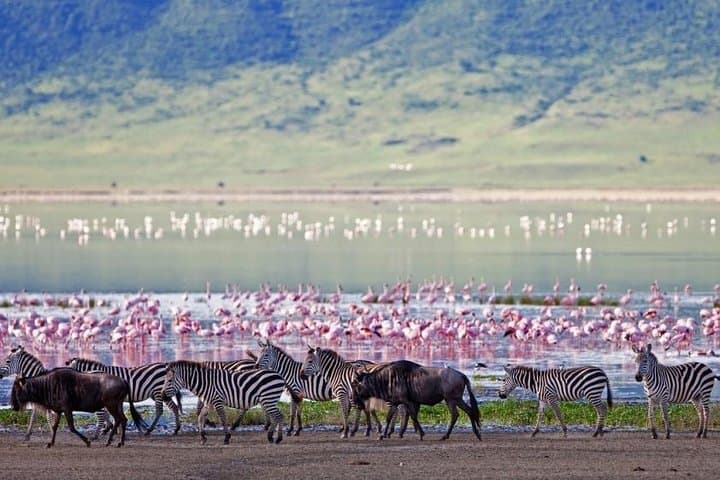
Across three days expect dawn and dusk game drives, river-side picnic stops, and time in conservancy or lodge camps with options from budget tented camps to luxury lodges. The Mara is famous for the Big Five and the annual wildebeest migration—July–August brings dramatic river crossings that draw intense wildlife activity.
Practical notes: game viewing is largely vehicle-based on unpaved tracks, so pack layers for cool mornings, strong sun protection for noon, and a small dry bag for camera gear. Road transfers from Nairobi take 4–6 hours; internal mobility can be bumpy and intermittent cellular coverage is common. Follow guides’ instructions around animals, tip staff according to service level, and consider supporting community-run conservancies to ensure tourism benefits both wildlife and locals.
easy.
3 days (≈72 hours).
Minimal fitness required for game drives; participants should be able to embark/exit a safari vehicle and walk short distances at camps.
Expect about 4–6 hours by road depending on traffic and route; stops at the Rift Valley and Narok are common.
Peak river crossing activity is typically July–August, though movements vary year to year; your guide will target crossings when possible.
Most multi-day packages include park entry fees and meals as specified; confirm whether your chosen lodge or camp covers all fees and taxes.
Many operators welcome families and provide child seats; vehicles and some camps are wheelchair-accessible, but safari terrain and getting in/out of vehicles can be challenging—check specifics with the operator.
The Mara sits within Maasai lands where pastoral communities have grazed cattle for generations; colonial-era boundaries and modern conservancies have shaped current park management.
Community conservancies and anti-poaching patrols play a growing role in protecting migration corridors; visitors reduce impact by staying on tracks and supporting community-run initiatives.
Kenya Wildlife Tours & Safaris operates guided outdoor trips and adventures with an emphasis on safety, stewardship, and memorable experiences.
A diesel Land Cruiser crests a ridge and the Mara opens: miles of grass that bend and catch the morning light, acacia crowns picking out the horizon while the Mara River threads silver through the plains. Early on day one you drive from Nairobi across the Great Rift Valley—about 250–280 km depending on route—arriving as the light thins for a first evening game drive when predators are most active.
A diesel Land Cruiser crests a ridge and the Mara opens: miles of grass that bend and catch the morning light, acacia crowns picking out the horizon while the Mara River threads silver through the plains. Early on day one you drive from Nairobi across the Great Rift Valley—about 250–280 km depending on route—arriving as the light thins for a first evening game drive when predators are most active.
The Masai Mara sits at roughly 1,500–1,800 m elevation on the Kenyan side of the Serengeti ecosystem. Geological forces of the Rift carved the escarpments and created river channels that now shape animal movement; culturally the area is Maasai country, where grazing traditions and community conservancies influence how land is used for wildlife.
Across three days expect dawn and dusk game drives, river-side picnic stops, and time in conservancy or lodge camps with options from budget tented camps to luxury lodges. The Mara is famous for the Big Five and the annual wildebeest migration—July–August brings dramatic river crossings that draw intense wildlife activity.
Practical notes: game viewing is largely vehicle-based on unpaved tracks, so pack layers for cool mornings, strong sun protection for noon, and a small dry bag for camera gear. Road transfers from Nairobi take 4–6 hours; internal mobility can be bumpy and intermittent cellular coverage is common. Follow guides’ instructions around animals, tip staff according to service level, and consider supporting community-run conservancies to ensure tourism benefits both wildlife and locals.