THE ADVENTURE COLLECTIVE® · Independent discovery and booking for outdoor travel

Three days in the Masai Mara are equal parts game drives and cultural exchange. Expect early mornings, long but rewarding drives across classic savanna, and knowledgeable local guides who put wildlife behavior into context.
Three days in the Masai Mara are equal parts game drives and cultural exchange. Expect early mornings, long but rewarding drives across classic savanna, and knowledgeable local guides who put wildlife behavior into context.
Dawn in the Masai Mara arrives with the low rumble of engines and the slow unspooling of acacia shadows across the savanna. You step from your camp into a cool, dust-scented morning; the horizon already blushes with the shapes of grazing antelope and the distant silhouette of a lion on a termite mound.
Verified experiences and guided adventures in the surrounding area.
Operated by FoxTrail Expeditions · Narok, Narok County
Dawn in the Masai Mara arrives with the low rumble of engines and the slow unspooling of acacia shadows across the savanna. You step from your camp into a cool, dust-scented morning; the horizon already blushes with the shapes of grazing antelope and the distant silhouette of a lion on a termite mound.
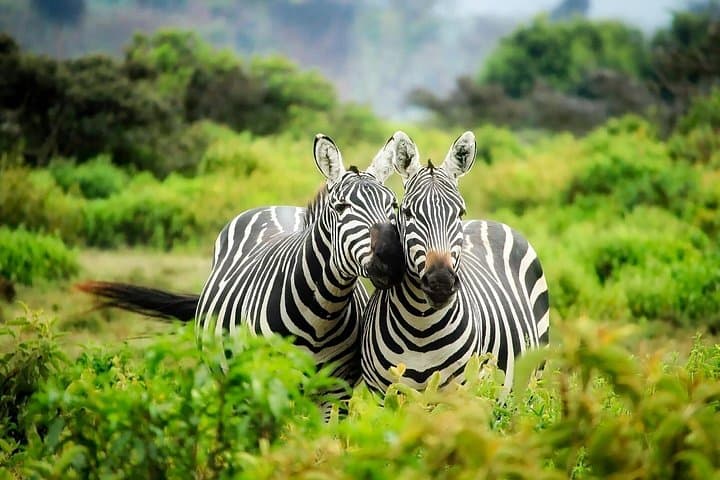
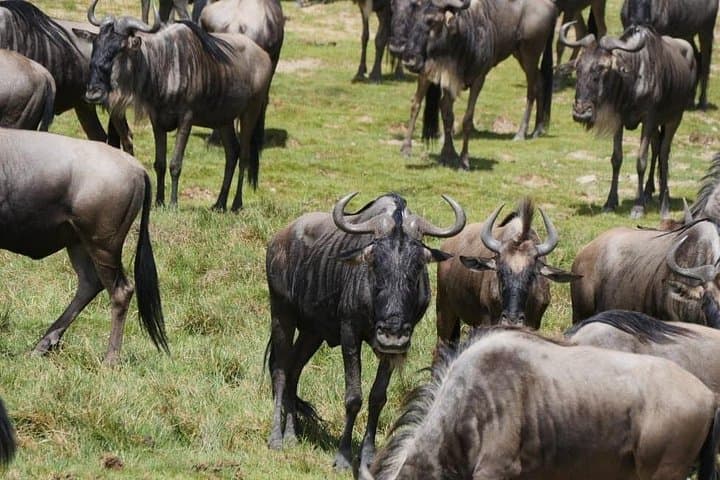
The Mara sits at the southern end of the Great Rift Valley, a landscape carved by tectonics and sculpted by seasonal rivers. The reserve’s name comes from the Maasai people—"Mara" meaning "spotted"—a nod to the patchwork of grassland and kopje that feeds extraordinary wildlife densities. Geology and climate together create the migration corridor where millions of wildebeest and zebra pass each year, and where river crossings test both animal and observer.
Guides here draw on deep local knowledge: reading spoor, predicting river crossings, and translating animal behavior into quiet, teachable moments. Cultural exchange is part of the visit—brief community visits and conversations with Maasai elders offer insight into pastoral life and conservation trade-offs.
Practical side: expect long game drives in open 4x4s on corrugated tracks, early wake-ups for sunrise drives, and afternoons for rest or photography editing. Pack layered clothing for sharp morning-to-afternoon temperature swings, water and sun protection, and a good pair of binoculars. Vehicles can be dusty—use zippered bags for camera gear and keep chargers in a dry pouch. Finally, respect viewing distances, follow your guide’s instructions, and tip locally where appropriate; sustainable tourism is what keeps the Mara wild for the next sunrise.
easy.
3 days (2 nights).
Minimal fitness required—able to sit for multiple hours and climb into open 4x4s; mobility considerations apply for uneven camp surfaces.
Most operators arrange pick-up from Nairobi or nearby airstrips; confirm your pickup point and allow buffer time for traffic or flight delays.
The migration timing varies by year but commonly peaks in the Mara between July and October when herds cross the Mara River.
Balloon rides are offered by separate operators and are usually booked as an optional upgrade—ask in advance to reserve a spot and budget for the extra cost.
Yellow fever vaccination may be required for some travelers and malaria prophylaxis is recommended; check with a travel health clinic well before departure.
The Maasai people have grazed and managed these plains for generations; the reserve’s name reflects the spotted (mara) pattern of the landscape that supports pastoralism and wildlife.
Community conservancies and lodge partnerships fund anti-poaching patrols and create local revenue streams—choose operators that support community-led conservation.
FoxTrail Expeditions operates guided outdoor trips and adventures with an emphasis on safety, stewardship, and memorable experiences.
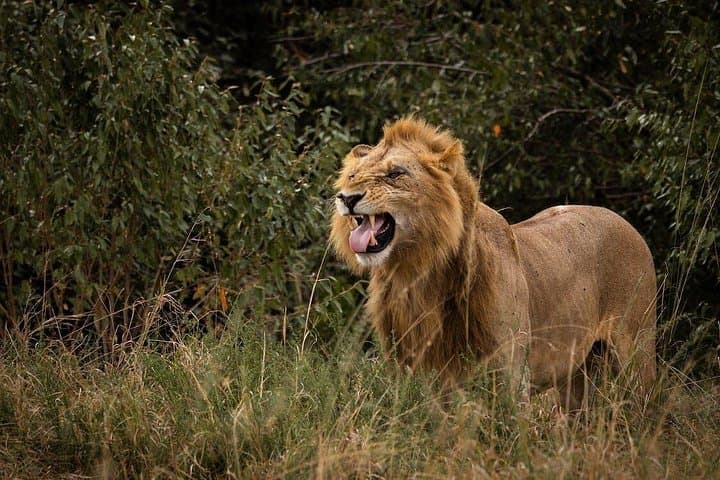
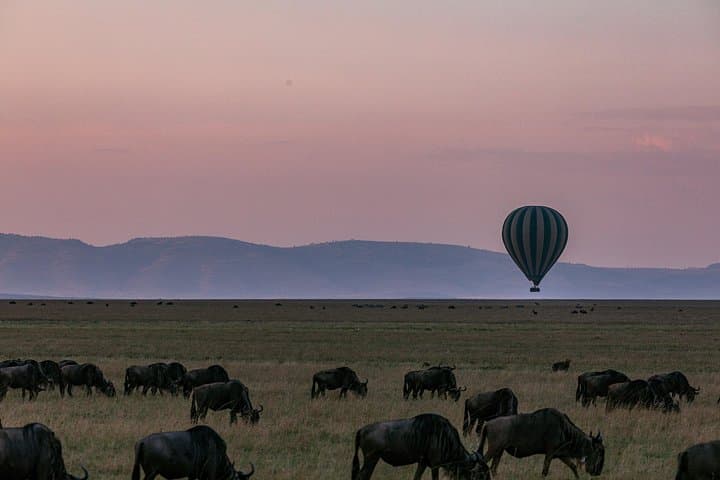
Dawn in the Masai Mara arrives with the low rumble of engines and the slow unspooling of acacia shadows across the savanna. You step from your camp into a cool, dust-scented morning; the horizon already blushes with the shapes of grazing antelope and the distant silhouette of a lion on a termite mound.
Dawn in the Masai Mara arrives with the low rumble of engines and the slow unspooling of acacia shadows across the savanna. You step from your camp into a cool, dust-scented morning; the horizon already blushes with the shapes of grazing antelope and the distant silhouette of a lion on a termite mound.
The Mara sits at the southern end of the Great Rift Valley, a landscape carved by tectonics and sculpted by seasonal rivers. The reserve’s name comes from the Maasai people—"Mara" meaning "spotted"—a nod to the patchwork of grassland and kopje that feeds extraordinary wildlife densities. Geology and climate together create the migration corridor where millions of wildebeest and zebra pass each year, and where river crossings test both animal and observer.
Guides here draw on deep local knowledge: reading spoor, predicting river crossings, and translating animal behavior into quiet, teachable moments. Cultural exchange is part of the visit—brief community visits and conversations with Maasai elders offer insight into pastoral life and conservation trade-offs.
Practical side: expect long game drives in open 4x4s on corrugated tracks, early wake-ups for sunrise drives, and afternoons for rest or photography editing. Pack layered clothing for sharp morning-to-afternoon temperature swings, water and sun protection, and a good pair of binoculars. Vehicles can be dusty—use zippered bags for camera gear and keep chargers in a dry pouch. Finally, respect viewing distances, follow your guide’s instructions, and tip locally where appropriate; sustainable tourism is what keeps the Mara wild for the next sunrise.