THE ADVENTURE COLLECTIVE® · Independent discovery and booking for outdoor travel

A compact two-day road safari from Nairobi that puts you into the Masai Mara’s game-rich plains for morning and afternoon drives, budget camp nights, and a strong chance to see the Big Five — timed right, it can coincide with the Great Migration river crossings.
A compact two-day road safari from Nairobi that puts you into the Masai Mara’s game-rich plains for morning and afternoon drives, budget camp nights, and a strong chance to see the Big Five — timed right, it can coincide with the Great Migration river crossings.
Dawn in the Mara arrives soft and incandescent: dust lifts from a dirt track, acacia silhouettes sharpen, and a safari vehicle hums toward a horizon threaded with wildebeest. This two-day run from Nairobi compresses the biggest scenes of Kenya’s southwest plains into an intense, vehicle-based wildlife experience — game drives at golden hour, camp dinners under open sky, and the steady breath of the savannah around you.
Verified experiences and guided adventures in the surrounding area.
Operated by day to day Tours and safaris, Kenya · Narok, Narok County
Dawn in the Mara arrives soft and incandescent: dust lifts from a dirt track, acacia silhouettes sharpen, and a safari vehicle hums toward a horizon threaded with wildebeest. This two-day run from Nairobi compresses the biggest scenes of Kenya’s southwest plains into an intense, vehicle-based wildlife experience — game drives at golden hour, camp dinners under open sky, and the steady breath of the savannah around you.
The Masai Mara sits on the southern edge of the East African Rift, its rolling grasslands shaped by volcanic soils and seasonal rivers. The reserve was formally designated in the 1960s and sits within Maasai homeland; cultural encounters with Maasai communities remain a living part of visits. Most famously, the Mara anchors the Great Migration: between July and September millions of wildebeest and zebra funnel across rivers in dramatic crossings.
Expect long hours in a 4x4 with stops for sightings; early-morning and late-afternoon drives host the most active predators. The itinerary typically covers the Mara’s key sectors and includes budget-friendly, self-contained camp accommodation and meals. Practicalities: the drive from Nairobi is about 4.5–6 hours depending on road conditions, and rough tracks mean sturdy footwear and motion-sickness precautions help. Bring binoculars (some operators provide them), sun protection, layered clothing for chilly mornings, and cash for optional tips or village visits. Respect vehicle rules and maintain distance from wildlife; mornings reward patience with close encounters and late afternoons stage the best landscape light for photography.
This trip is an immersive, logistics-light way to see the Big Five and, if timed right, the migration spectacle — intense, approachable, and profoundly animal-focused.
easy.
2 days (approx. 48 hours).
Suitable for most fitness levels; involves short walks at camps and extended periods seated during game drives.
Peak river crossings usually occur between July and September; however, migration timing can vary by season and rainfall patterns.
Road transfer typically takes about 4.5–6 hours depending on traffic and road conditions; some operators offer optional flights into nearby airstrips.
This particular itinerary lists entrance fees as included, but always confirm with the operator before booking.
Village visits are commonly offered as optional extras on day two; participation supports local guides but check etiquette and photography consent.
The Masai Mara Reserve was established in the mid-20th century and lies within traditional Maasai grazing lands; pastoral culture remains integral to the landscape.
Community conservancies and sustainable tourism initiatives are expanding to reduce human-wildlife conflict and direct revenue to Maasai communities.
day to day Tours and safaris, Kenya operates guided outdoor trips and adventures with an emphasis on safety, stewardship, and memorable experiences.
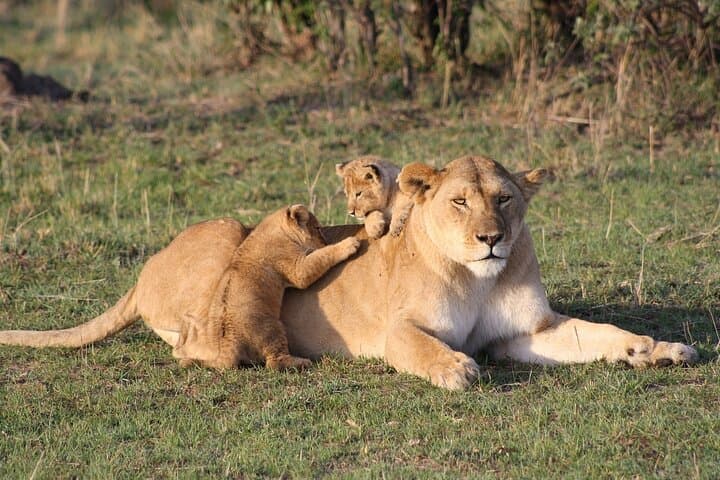
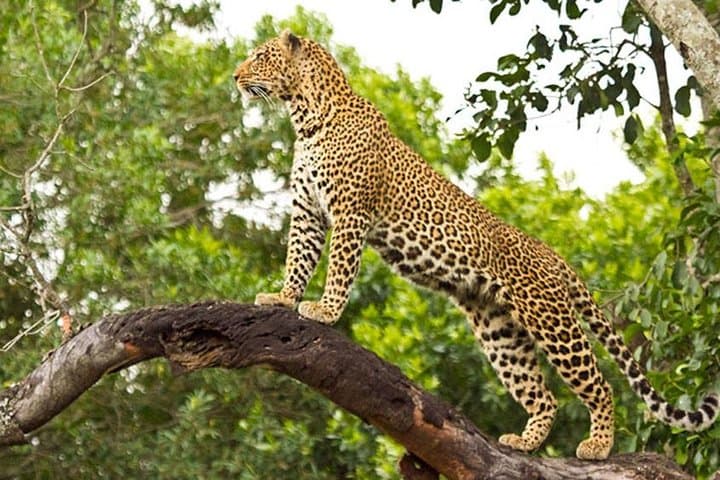
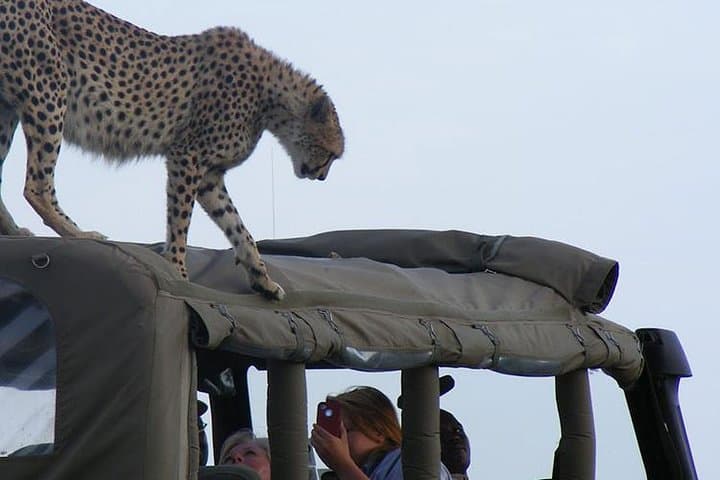
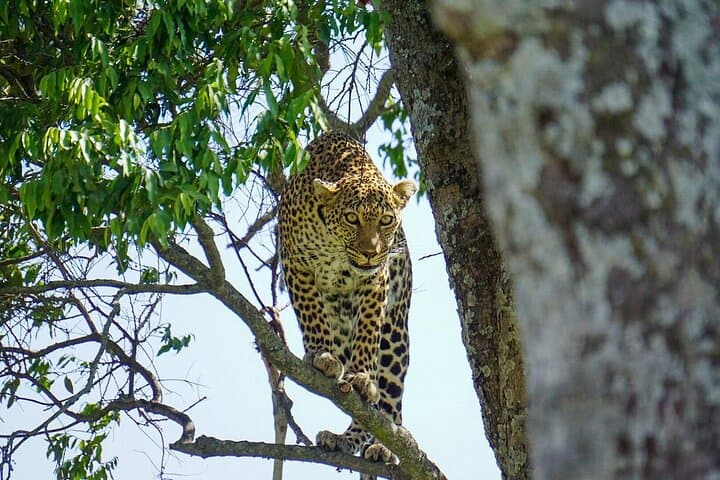
Dawn in the Mara arrives soft and incandescent: dust lifts from a dirt track, acacia silhouettes sharpen, and a safari vehicle hums toward a horizon threaded with wildebeest. This two-day run from Nairobi compresses the biggest scenes of Kenya’s southwest plains into an intense, vehicle-based wildlife experience — game drives at golden hour, camp dinners under open sky, and the steady breath of the savannah around you.
Dawn in the Mara arrives soft and incandescent: dust lifts from a dirt track, acacia silhouettes sharpen, and a safari vehicle hums toward a horizon threaded with wildebeest. This two-day run from Nairobi compresses the biggest scenes of Kenya’s southwest plains into an intense, vehicle-based wildlife experience — game drives at golden hour, camp dinners under open sky, and the steady breath of the savannah around you.
The Masai Mara sits on the southern edge of the East African Rift, its rolling grasslands shaped by volcanic soils and seasonal rivers. The reserve was formally designated in the 1960s and sits within Maasai homeland; cultural encounters with Maasai communities remain a living part of visits. Most famously, the Mara anchors the Great Migration: between July and September millions of wildebeest and zebra funnel across rivers in dramatic crossings.
Expect long hours in a 4x4 with stops for sightings; early-morning and late-afternoon drives host the most active predators. The itinerary typically covers the Mara’s key sectors and includes budget-friendly, self-contained camp accommodation and meals. Practicalities: the drive from Nairobi is about 4.5–6 hours depending on road conditions, and rough tracks mean sturdy footwear and motion-sickness precautions help. Bring binoculars (some operators provide them), sun protection, layered clothing for chilly mornings, and cash for optional tips or village visits. Respect vehicle rules and maintain distance from wildlife; mornings reward patience with close encounters and late afternoons stage the best landscape light for photography.
This trip is an immersive, logistics-light way to see the Big Five and, if timed right, the migration spectacle — intense, approachable, and profoundly animal-focused.