THE ADVENTURE COLLECTIVE® · Independent discovery and booking for outdoor travel

Watch the sunrise from Masada, walk the springs of Ein Gedi and float in the Dead Sea on a full-day excursion from Tel Aviv. This guided tour mixes hiking, history and a unique salt-water experience.
Watch the sunrise from Masada, walk the springs of Ein Gedi and float in the Dead Sea on a full-day excursion from Tel Aviv. This guided tour mixes hiking, history and a unique salt-water experience.
Before dawn the desert holds its breath — the ridgelines of the Judean Desert black against a cold sky, the Dead Sea lying like a sheet of pewter. This day trip puts travelers on the stone steps of Masada in time for sunrise, when cliffs and salt flats catch the light and the fortress silhouettes sharpen.
Verified experiences and guided adventures in the surrounding area.
Operated by Tourist Israel · Masada, Southern District
Before dawn the desert holds its breath — the ridgelines of the Judean Desert black against a cold sky, the Dead Sea lying like a sheet of pewter. This day trip puts travelers on the stone steps of Masada in time for sunrise, when cliffs and salt flats catch the light and the fortress silhouettes sharpen.
Masada is an Iron Age fortress rebuilt by King Herod and later the site of the Roman siege in 73–74 CE; its terraces and bathhouses reveal both Roman engineering and Herodian ambition. Geologically the plateau is a geological block of limestone and the region’s salt basins show a long history of evaporation and uplift; the Dead Sea sits at the Earth’s lowest exposed elevation, its density forcing swimmers to float rather than swim. Ein Gedi’s springs carve pockets of green from the arid slopes, feeding waterfalls and pockets of life that supported ancient shepherds and monks.
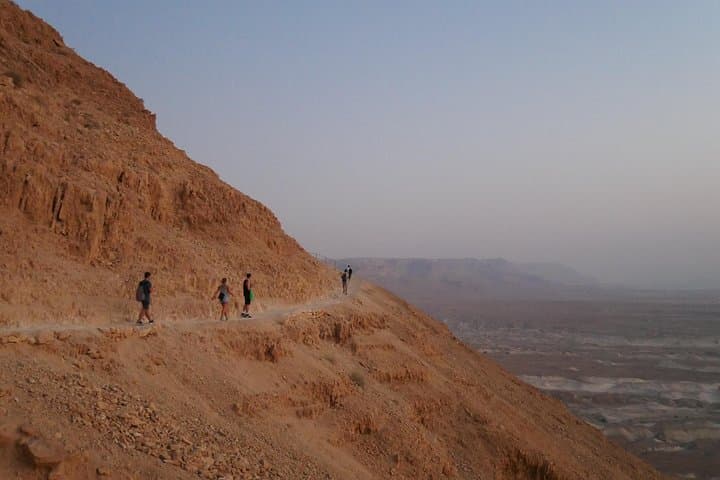
Practically, expect an early start from Tel Aviv and an 10–12 hour day. The Masada hike up the Snake Path gains roughly 330 meters over 2–3 km on rocky, sun-exposed trail; a cable car is available for the return. At Ein Gedi, trails are short but can be rocky and slippery near pools. At the Dead Sea, private beach access simplifies entry and offers facilities; avoid shaving before floating and rinse thoroughly afterward. Bring at least 2–3 liters of water, sun protection, sturdy shoes with grip, and a plan for an 11-hour day. Guides handle logistics and carry local knowledge, but the desert asks for respect: stay on trails, pack out trash, and time your movements to cooler parts of the day.
moderate.
10–12 hours.
Good for travelers with a moderate fitness level; expect short steep sections and extended periods standing and walking.
Start times vary seasonally but generally the departure from Tel Aviv is before 2:30–3:30 AM to reach Masada before dawn; confirm with the operator.
The Snake Path is steep with about 330 m elevation gain over 2–3 km; it’s rated moderate—cable car options reduce exertion for the descent or ascent.
You float rather than swim; private beach access is usually included, but avoid submerging your head and rinse well after exposure to the saline and mineral mud.
This particular tour notes it is not recommended for children under 12 and infants must sit on laps; check operator rules before booking.
Masada was fortified by Herod the Great and later became the site of a famed Roman siege; artifacts at the site reflect both royal wealth and later Roman military engineering.
The Judean Desert and Dead Sea are ecologically fragile—stick to marked trails, avoid removing salt or mud, and minimize freshwater use in the region.
Tourist Israel operates guided outdoor trips and adventures with an emphasis on safety, stewardship, and memorable experiences.
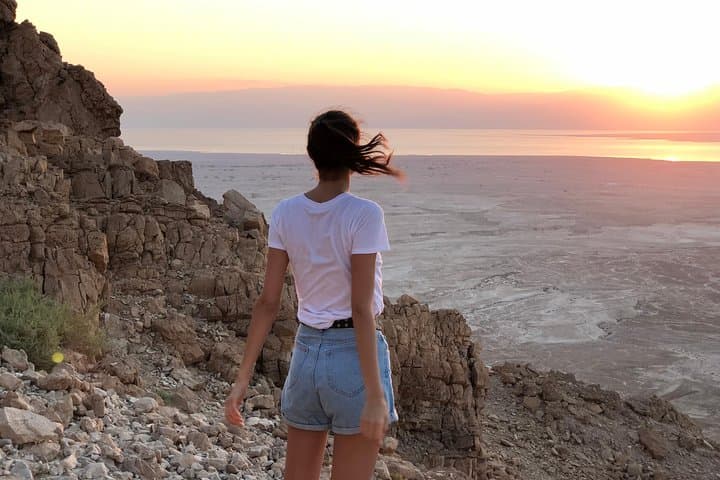
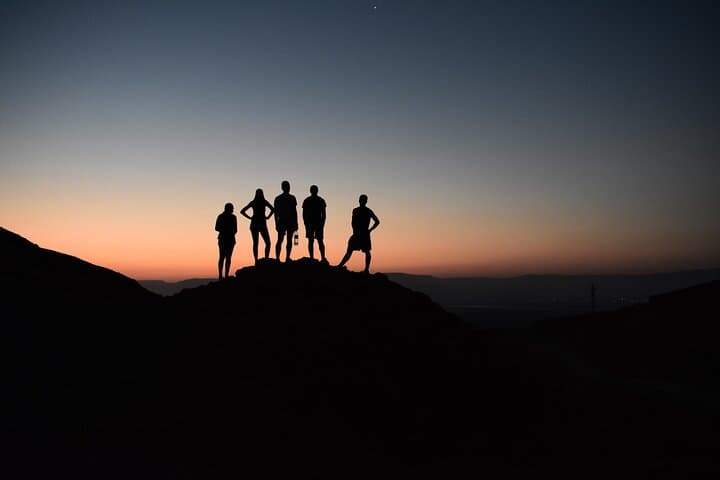
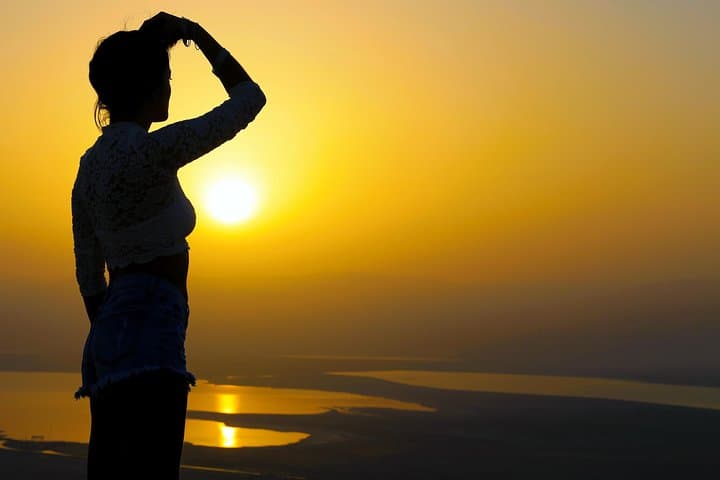
Before dawn the desert holds its breath — the ridgelines of the Judean Desert black against a cold sky, the Dead Sea lying like a sheet of pewter. This day trip puts travelers on the stone steps of Masada in time for sunrise, when cliffs and salt flats catch the light and the fortress silhouettes sharpen.
Before dawn the desert holds its breath — the ridgelines of the Judean Desert black against a cold sky, the Dead Sea lying like a sheet of pewter. This day trip puts travelers on the stone steps of Masada in time for sunrise, when cliffs and salt flats catch the light and the fortress silhouettes sharpen.
Masada is an Iron Age fortress rebuilt by King Herod and later the site of the Roman siege in 73–74 CE; its terraces and bathhouses reveal both Roman engineering and Herodian ambition. Geologically the plateau is a geological block of limestone and the region’s salt basins show a long history of evaporation and uplift; the Dead Sea sits at the Earth’s lowest exposed elevation, its density forcing swimmers to float rather than swim. Ein Gedi’s springs carve pockets of green from the arid slopes, feeding waterfalls and pockets of life that supported ancient shepherds and monks.
Practically, expect an early start from Tel Aviv and an 10–12 hour day. The Masada hike up the Snake Path gains roughly 330 meters over 2–3 km on rocky, sun-exposed trail; a cable car is available for the return. At Ein Gedi, trails are short but can be rocky and slippery near pools. At the Dead Sea, private beach access simplifies entry and offers facilities; avoid shaving before floating and rinse thoroughly afterward. Bring at least 2–3 liters of water, sun protection, sturdy shoes with grip, and a plan for an 11-hour day. Guides handle logistics and carry local knowledge, but the desert asks for respect: stay on trails, pack out trash, and time your movements to cooler parts of the day.