THE ADVENTURE COLLECTIVE® · Independent discovery and booking for outdoor travel

Catch sunrise from Masada, trace Herod’s stonework atop the plateau, cool off in Ein Gedi’s waterfall pools and finish by floating in the Dead Sea. This full‑day from Jerusalem combines a steep desert hike with natural springs and a private beach experience.
Catch sunrise from Masada, trace Herod’s stonework atop the plateau, cool off in Ein Gedi’s waterfall pools and finish by floating in the Dead Sea. This full‑day from Jerusalem combines a steep desert hike with natural springs and a private beach experience.
Before dawn the bus slips out of Jerusalem and the highway empties into the Judean Desert. By the time you reach the Snake Path trailhead the sky is a bruise of blue and gold; the climb is cool at first, then the desert begins to warm around you as you gain the ridge. At Masada the fortress sits like a sharp-edged plateau above the Dead Sea, and the first light paints the Jordanian hills and the glassy salt below.
Verified experiences and guided adventures in the surrounding area.
Operated by JeruTours · Masada, Jerusalem District
Before dawn the bus slips out of Jerusalem and the highway empties into the Judean Desert. By the time you reach the Snake Path trailhead the sky is a bruise of blue and gold; the climb is cool at first, then the desert begins to warm around you as you gain the ridge. At Masada the fortress sits like a sharp-edged plateau above the Dead Sea, and the first light paints the Jordanian hills and the glassy salt below.
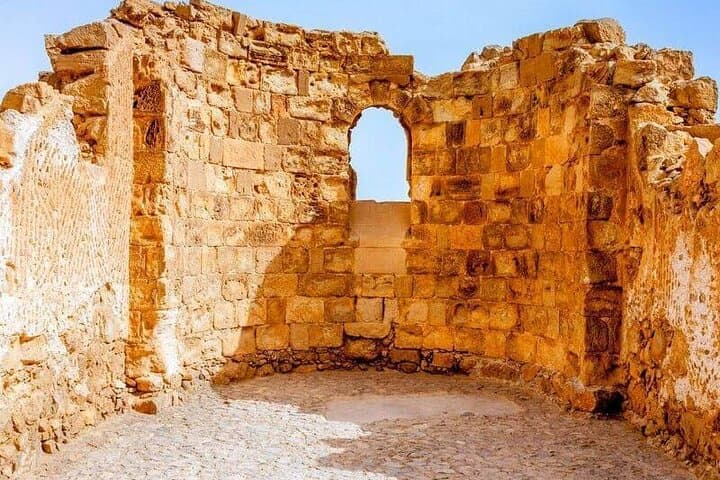
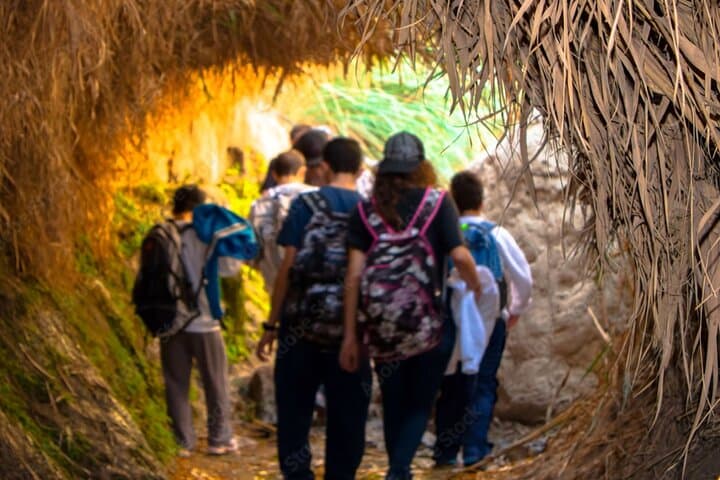
Masada’s terraces, Herodian palaces and Roman siege camps tell a concentrated story of power and resistance from the 1st century CE—the site where Jewish rebels made their last stand in 73–74 CE. Geologically the climb skirts exposed sedimentary rock and salt-encrusted slopes formed by millennia of evaporation; Ein Gedi’s canyon cuts into these layers, delivering cool springs and waterfalls that sustain island patches of green. Locally you’ll hear Bedouin, Hebrew and Arabic accents and find products made from Dead Sea minerals at the private beach’s shop.
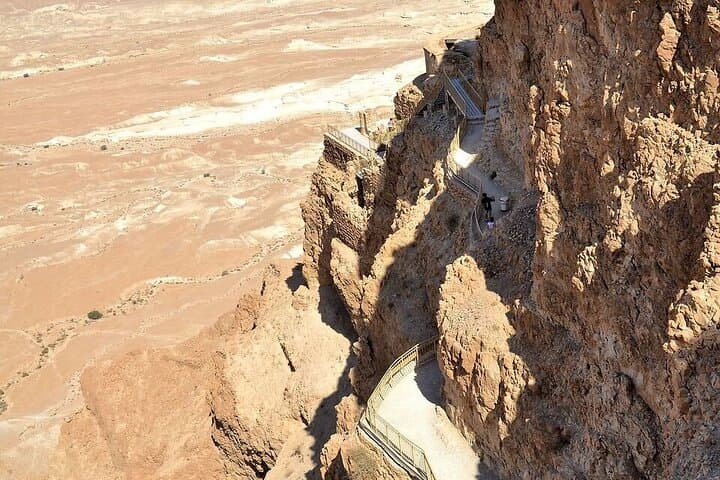
Practically: expect a 45–75 minute Snake Path ascent (steep, rocky), followed by time on the plateau, a moderate 1–2 hour walk in Ein Gedi on uneven trails, and a relaxed float at a private Dead Sea beach with facilities. Bring layered clothing for cold pre-dawn starts, sturdy shoes for the path, 2–3 liters of water, and swim gear for the Dead Sea. Plan for an early 03:00 pickup from Jerusalem and a long day (10–11 hours) that mixes archaeology, desert hiking and restorative saltwater buoyancy.
moderate.
10–11 hours.
Moderate fitness: able to sustain a 45–75 minute steep ascent and short canyon walks; comfortable standing and walking on uneven terrain.
Yes—admission to Masada, Ein Gedi and the private Dead Sea beach are included in the tour price.
The Snake Path is steep and rocky; it's suitable for older children who are steady hikers but not recommended for people with limited mobility.
Yes—travelers must carry passport/ID to cross checkpoints between Jerusalem and areas near the Dead Sea; bring the documents requested at booking.
The private beach has changing facilities and a pool; showers are limited, so plan to rinse with provided freshwater if available.
Masada was fortified by Herod the Great and later became the site of a famed 1st‑century CE siege during the First Jewish–Roman War.
The Dead Sea shoreline is receding and desert flora is fragile—stick to marked trails, avoid removing mud or minerals, and use provided facilities to minimize impact.
JeruTours operates guided outdoor trips and adventures with an emphasis on safety, stewardship, and memorable experiences.
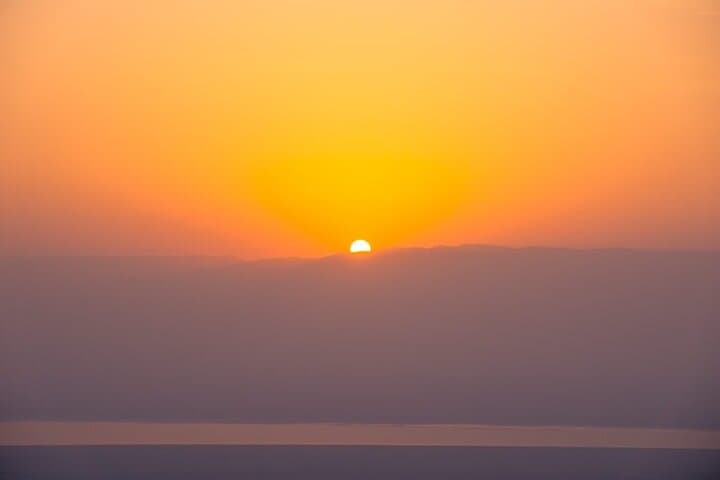
Before dawn the bus slips out of Jerusalem and the highway empties into the Judean Desert. By the time you reach the Snake Path trailhead the sky is a bruise of blue and gold; the climb is cool at first, then the desert begins to warm around you as you gain the ridge. At Masada the fortress sits like a sharp-edged plateau above the Dead Sea, and the first light paints the Jordanian hills and the glassy salt below.
Before dawn the bus slips out of Jerusalem and the highway empties into the Judean Desert. By the time you reach the Snake Path trailhead the sky is a bruise of blue and gold; the climb is cool at first, then the desert begins to warm around you as you gain the ridge. At Masada the fortress sits like a sharp-edged plateau above the Dead Sea, and the first light paints the Jordanian hills and the glassy salt below.
Masada’s terraces, Herodian palaces and Roman siege camps tell a concentrated story of power and resistance from the 1st century CE—the site where Jewish rebels made their last stand in 73–74 CE. Geologically the climb skirts exposed sedimentary rock and salt-encrusted slopes formed by millennia of evaporation; Ein Gedi’s canyon cuts into these layers, delivering cool springs and waterfalls that sustain island patches of green. Locally you’ll hear Bedouin, Hebrew and Arabic accents and find products made from Dead Sea minerals at the private beach’s shop.
Practically: expect a 45–75 minute Snake Path ascent (steep, rocky), followed by time on the plateau, a moderate 1–2 hour walk in Ein Gedi on uneven trails, and a relaxed float at a private Dead Sea beach with facilities. Bring layered clothing for cold pre-dawn starts, sturdy shoes for the path, 2–3 liters of water, and swim gear for the Dead Sea. Plan for an early 03:00 pickup from Jerusalem and a long day (10–11 hours) that mixes archaeology, desert hiking and restorative saltwater buoyancy.