THE ADVENTURE COLLECTIVE® · Independent discovery and booking for outdoor travel

Scale Masada by cable car or on foot, cool off in Ein Gedi’s springs and float in the mineral-rich Dead Sea on a private full-day tour from Jerusalem. This one-day route blends archaeology, desert geology and easy hikes with practical comforts like air-conditioned transport.
Scale Masada by cable car or on foot, cool off in Ein Gedi’s springs and float in the mineral-rich Dead Sea on a private full-day tour from Jerusalem. This one-day route blends archaeology, desert geology and easy hikes with practical comforts like air-conditioned transport.
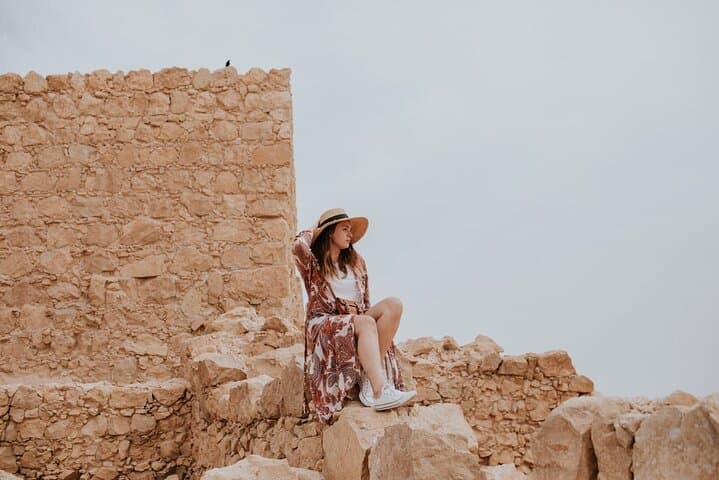
You arrive before the heat peaks, the bus cutting across the Judean Desert as the landscape flattens toward the Dead Sea. At Masada the air seems to hold its own history—stone terraces and fortress walls rising from a steep scarp. Take the cable car or, if weather permits, the Snake Path climb (roughly 1.8–2 km with ~300 m ascent) that puts you face-to-face with a panoramic sweep of the Dead Sea and Jordan beyond.
Verified experiences and guided adventures in the surrounding area.
Operated by Abraham Tlalim Tours LTD · Masada, Jerusalem District
You arrive before the heat peaks, the bus cutting across the Judean Desert as the landscape flattens toward the Dead Sea. At Masada the air seems to hold its own history—stone terraces and fortress walls rising from a steep scarp. Take the cable car or, if weather permits, the Snake Path climb (roughly 1.8–2 km with ~300 m ascent) that puts you face-to-face with a panoramic sweep of the Dead Sea and Jordan beyond.
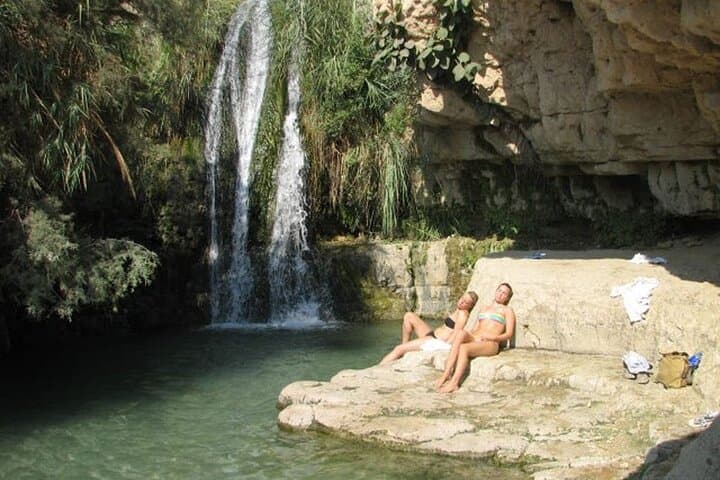
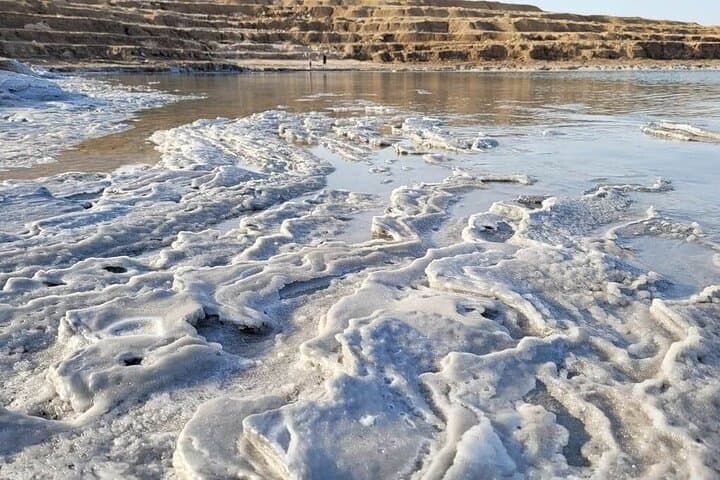
Masada’s ruins are Herodian and Roman: palaces, cisterns and the story of the Jewish rebels who preferred death to surrender in 73 CE. Geologically, you’ll notice the sedimentary cliffs and salt-streaked shorelines; the Dead Sea is the planet’s lowest exposed land surface and its mineral-saturated waters buoy your body effortlessly. Ein Gedi interrupts the arid rhythm with clear springs and narrow canyons—paths follow waterfalls and natural pools where ibex and rock hyrax are common.
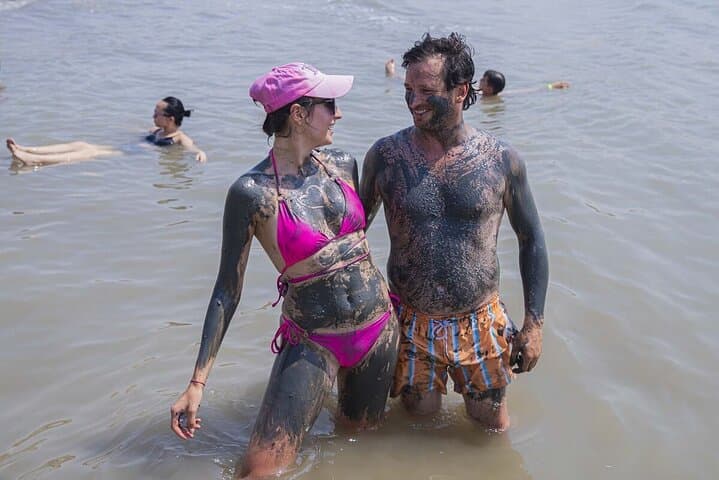
Expect a day that alternates history, short hikes and relaxed soaking. Practicalities: the tour runs as a full day (about 10 hours) with pickup in Jerusalem; an air-conditioned vehicle moves you between sites. Bring sun protection, at least 2 liters of water, sturdy shoes for rocky trails, and swimwear for a salted float. Avoid shaving before Dead Sea bathing and protect your eyes from splashes.
Timing matters: start early to beat the heat on exposed trails and mid-day crowds at the beach. Respect fragile desert vegetation and pack out litter—the region’s recovery is slow as the Dead Sea level changes. This is a compact, varied day for travelers who want archaeology, desert geology and the odd, soothing impossibility of floating on liquid salt.
moderate.
10 hours.
Moderate fitness for short steep climbs and uneven trails; comfortable walking for several hours.
Yes—if weather permits you can hike the Snake Path (steep, ~1.8–2 km with ~300 m elevation gain); the cable car is the quicker, less strenuous option.
Most people float with no issue, but it’s not recommended for those with open wounds, recent shaving, or serious heart conditions; avoid getting water in your eyes and rinse with fresh water afterward.
Ein Gedi offers short hikes of 1–3 km to pools and waterfalls; routes vary by fitness and time but are generally manageable for those with moderate fitness.
Bring passport copy, sun protection, at least 2 liters of water, comfortable shoes, swimwear, towel and a light layer for cooler mornings.
Masada was fortified by Herod the Great and is famed for the 1st-century siege; Ein Gedi has long been an oasis site referenced in biblical texts.
The Dead Sea is rapidly receding due to water diversion and mineral extraction—stay on marked paths, avoid removing salts or mud, and support local operators practicing responsible waste management.
Abraham Tlalim Tours LTD operates guided outdoor trips and adventures with an emphasis on safety, stewardship, and memorable experiences.
You arrive before the heat peaks, the bus cutting across the Judean Desert as the landscape flattens toward the Dead Sea. At Masada the air seems to hold its own history—stone terraces and fortress walls rising from a steep scarp. Take the cable car or, if weather permits, the Snake Path climb (roughly 1.8–2 km with ~300 m ascent) that puts you face-to-face with a panoramic sweep of the Dead Sea and Jordan beyond.
You arrive before the heat peaks, the bus cutting across the Judean Desert as the landscape flattens toward the Dead Sea. At Masada the air seems to hold its own history—stone terraces and fortress walls rising from a steep scarp. Take the cable car or, if weather permits, the Snake Path climb (roughly 1.8–2 km with ~300 m ascent) that puts you face-to-face with a panoramic sweep of the Dead Sea and Jordan beyond.
Masada’s ruins are Herodian and Roman: palaces, cisterns and the story of the Jewish rebels who preferred death to surrender in 73 CE. Geologically, you’ll notice the sedimentary cliffs and salt-streaked shorelines; the Dead Sea is the planet’s lowest exposed land surface and its mineral-saturated waters buoy your body effortlessly. Ein Gedi interrupts the arid rhythm with clear springs and narrow canyons—paths follow waterfalls and natural pools where ibex and rock hyrax are common.
Expect a day that alternates history, short hikes and relaxed soaking. Practicalities: the tour runs as a full day (about 10 hours) with pickup in Jerusalem; an air-conditioned vehicle moves you between sites. Bring sun protection, at least 2 liters of water, sturdy shoes for rocky trails, and swimwear for a salted float. Avoid shaving before Dead Sea bathing and protect your eyes from splashes.
Timing matters: start early to beat the heat on exposed trails and mid-day crowds at the beach. Respect fragile desert vegetation and pack out litter—the region’s recovery is slow as the Dead Sea level changes. This is a compact, varied day for travelers who want archaeology, desert geology and the odd, soothing impossibility of floating on liquid salt.