THE ADVENTURE COLLECTIVE® · Independent discovery and booking for outdoor travel

Combine an ascent of ancient Masada, a cooling hike through Ein Gedi’s springs and pools, and a surreal float in the mineral-rich Dead Sea. This full-day outing blends archaeology, desert geology and easy water-based relaxation.
Combine an ascent of ancient Masada, a cooling hike through Ein Gedi’s springs and pools, and a surreal float in the mineral-rich Dead Sea. This full-day outing blends archaeology, desert geology and easy water-based relaxation.
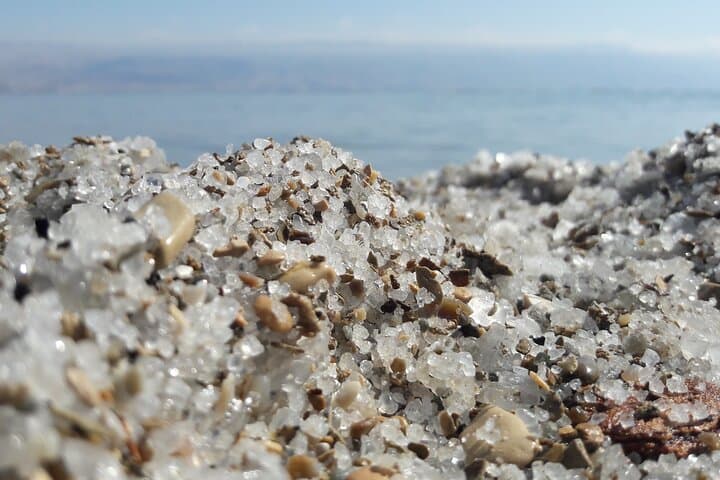
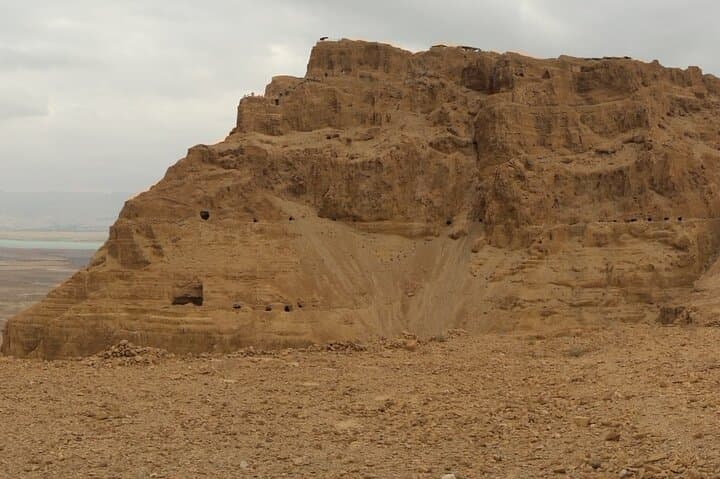
A pale sun lifts off the Judean Desert and the plateau of Masada sharpens into relief. Visitors stand at the rim and see history splayed across stone—Herod’s palace walls, Roman camps below, the Snake Path snaking like a ribbon to the valley. Later the palms and springs of Ein Gedi cool the day; water dares the desert to stay dry. The tour finishes at the Dead Sea, where the salt-heavy surface holds you like a quiet hand and the mud promises mineral relief.
Verified experiences and guided adventures in the surrounding area.
Operated by Net Travels · Masada, Southern District
A pale sun lifts off the Judean Desert and the plateau of Masada sharpens into relief. Visitors stand at the rim and see history splayed across stone—Herod’s palace walls, Roman camps below, the Snake Path snaking like a ribbon to the valley. Later the palms and springs of Ein Gedi cool the day; water dares the desert to stay dry. The tour finishes at the Dead Sea, where the salt-heavy surface holds you like a quiet hand and the mud promises mineral relief.
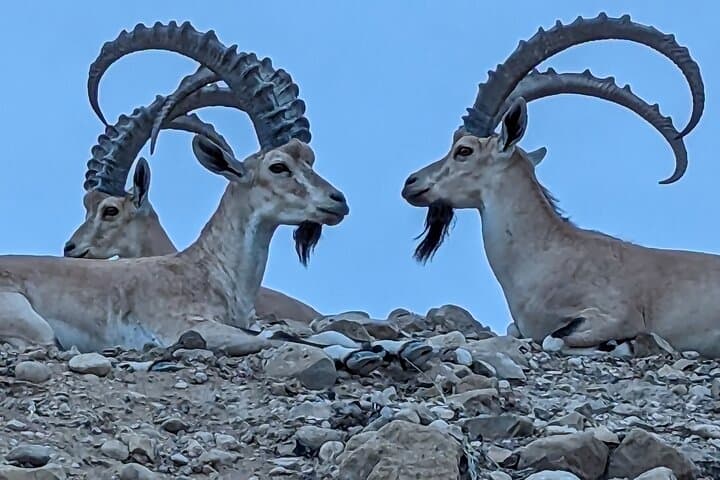
Masada is a fortified mesa with ruins from the Herodian period and a dramatic Roman siege history that culminates in a poignant story from 2,000 years ago. Geologically the area is the rift valley of the Dead Sea Transform; the Dead Sea itself sits roughly 430 meters below sea level, the planet’s lowest exposed land. Ein Gedi grew where groundwater meets steep limestone and basalt cliffs, creating perennial springs and narrow canyons that sustain ibex and hyrax.
Expect a mix of paved sections and rocky, exposed trails: the Snake Path is roughly 1.5–2 km with a steep ascent (several hundred meters of gain) while Ein Gedi hikes range from short waterfall strolls to 3–6 km canyon walks. Practical notes: start early to avoid heat, carry at least 2 liters of water, wear sturdy shoes for uneven stone, and pack swimwear for the Dead Sea—floatation needs no skill but salty water stings open cuts. Entrance fees and an air-conditioned transfer are commonly included on full-day tours; plan for an 8–10 hour day with cultural context, moderate hiking, and unique flotation time at the lowest point on Earth.
moderate.
8–10 hours.
Moderate fitness recommended: comfortable with sustained uphill walking and unpaved trails; able to manage stair sections and some scrambling.
The Snake Path is roughly 1.5–2 km with a steep ascent of several hundred meters; allow 45–90 minutes up depending on pace and fitness.
Yes—high salinity provides strong buoyancy, but avoid swallowing water and do not enter with open wounds or contact lenses.
Many full-day tours include national park entrance for Masada and access to Ein Gedi; confirm with your operator before booking.
The tour is family-friendly with options like the Masada cable car for those who can’t manage the climb; inform the operator about mobility needs so they can advise.
Masada is a Herodian fortress known for its dramatic siege at the end of the First Jewish–Roman War; Ein Gedi has been a documented oasis and agricultural site since antiquity.
The Dead Sea region faces water-level decline and ecological pressure; stay on marked trails, pack out trash, and avoid freshwater use near springs to protect fragile desert hydrology.
Net Travels operates guided outdoor trips and adventures with an emphasis on safety, stewardship, and memorable experiences.
A pale sun lifts off the Judean Desert and the plateau of Masada sharpens into relief. Visitors stand at the rim and see history splayed across stone—Herod’s palace walls, Roman camps below, the Snake Path snaking like a ribbon to the valley. Later the palms and springs of Ein Gedi cool the day; water dares the desert to stay dry. The tour finishes at the Dead Sea, where the salt-heavy surface holds you like a quiet hand and the mud promises mineral relief.
A pale sun lifts off the Judean Desert and the plateau of Masada sharpens into relief. Visitors stand at the rim and see history splayed across stone—Herod’s palace walls, Roman camps below, the Snake Path snaking like a ribbon to the valley. Later the palms and springs of Ein Gedi cool the day; water dares the desert to stay dry. The tour finishes at the Dead Sea, where the salt-heavy surface holds you like a quiet hand and the mud promises mineral relief.
Masada is a fortified mesa with ruins from the Herodian period and a dramatic Roman siege history that culminates in a poignant story from 2,000 years ago. Geologically the area is the rift valley of the Dead Sea Transform; the Dead Sea itself sits roughly 430 meters below sea level, the planet’s lowest exposed land. Ein Gedi grew where groundwater meets steep limestone and basalt cliffs, creating perennial springs and narrow canyons that sustain ibex and hyrax.
Expect a mix of paved sections and rocky, exposed trails: the Snake Path is roughly 1.5–2 km with a steep ascent (several hundred meters of gain) while Ein Gedi hikes range from short waterfall strolls to 3–6 km canyon walks. Practical notes: start early to avoid heat, carry at least 2 liters of water, wear sturdy shoes for uneven stone, and pack swimwear for the Dead Sea—floatation needs no skill but salty water stings open cuts. Entrance fees and an air-conditioned transfer are commonly included on full-day tours; plan for an 8–10 hour day with cultural context, moderate hiking, and unique flotation time at the lowest point on Earth.