THE ADVENTURE COLLECTIVE® · Independent discovery and booking for outdoor travel

Explore Masada’s cliff-top ruins and Bedouin hospitality on a small-group day trip from Tel Aviv. This 9–11 hour tour pairs archaeology, desert vistas, and cultural exchange with practical logistics like cable-car access and hotel pickup.
Explore Masada’s cliff-top ruins and Bedouin hospitality on a small-group day trip from Tel Aviv. This 9–11 hour tour pairs archaeology, desert vistas, and cultural exchange with practical logistics like cable-car access and hotel pickup.
You leave Tel Aviv behind in an air-conditioned van and the Judean Desert soon leans into the windows, heat and stone greeting you like a wide, blunt hand.
Verified experiences and guided adventures in the surrounding area.
Operated by Hallelujah Tours · Masada, Southern District
You leave Tel Aviv behind in an air-conditioned van and the Judean Desert soon leans into the windows, heat and stone greeting you like a wide, blunt hand.
The route traces ancient lines—the Good Samaritan site, a road that drops toward the sea-level marker, and a distant view of Jericho—reminders that this landscape has been a corridor of human movement for millennia. At a Bedouin tent the group dismounts into low shade; sand shifts underfoot and hospitality unfolds in simple gestures. If chosen, a short camel ride adds a slow, rocking cadence to the desert’s rhythm.
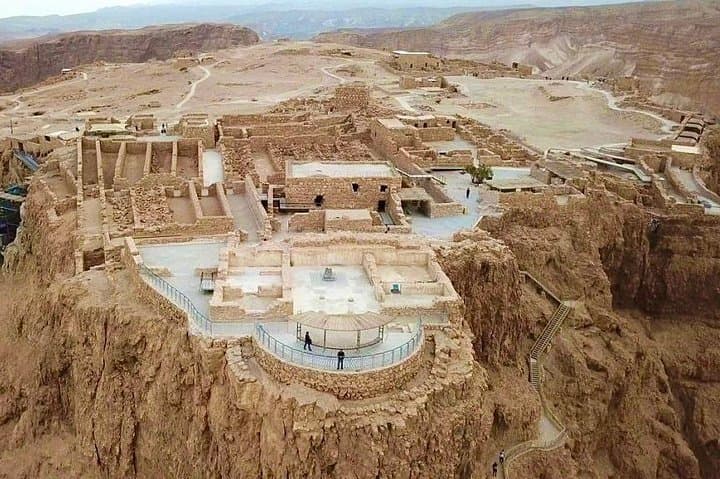
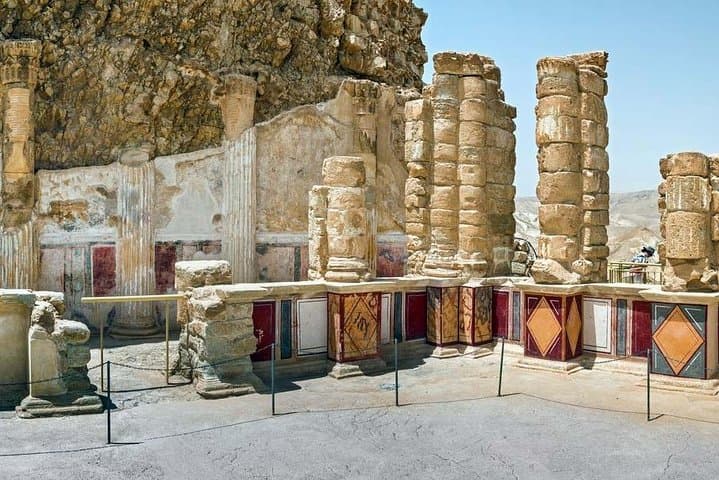
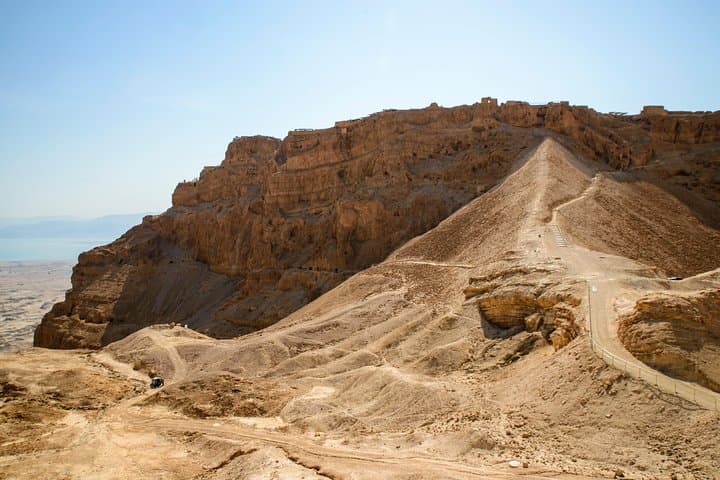
Masada itself sits on a basalt plateau above the Dead Sea, a UNESCO World Heritage Site where Herod’s palace ruins, water cisterns and Roman works tell a political and engineering story from two thousand years ago. Geologically, the escarpment is a sharp interface between the Judean highlands and the hypersaline Dead Sea basin; wind and salt have carved the region toward an uncompromising light.
Practicalities are straightforward: the tour runs 9–11 hours with hotel pickup, a licensed guide, and cable-car ascent at Masada. Wear sturdy shoes for uneven archaeology, bring a hat and high-SPF sunscreen, and carry at least 1.5 liters of water—the desert pushes quickly. Mobility needs matter; the tour recommends moderate fitness and is not ideal for those with significant walking difficulties.
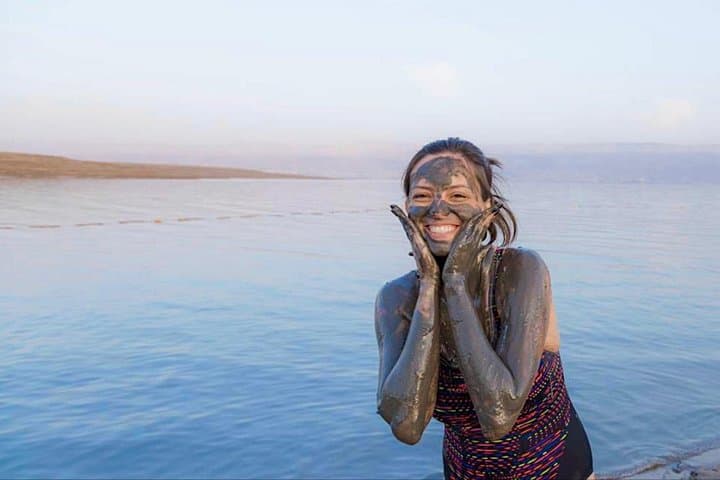
Expect cultural conversation in the Bedouin stop, a guided exploration of Masada’s main ruins, roadside views of Ein Gedi and Qumran, and a visit to a Dead Sea cosmetics shop. Timing your visit outside midday heat will improve comfort and light for photos.
moderate.
9–11 hours.
Moderate fitness—able to walk on uneven terrain and climb short sets of stairs; not recommended for those with significant walking limitations.
The tour lasts about 9–11 hours and includes hotel pickup/drop-off, an air-conditioned vehicle, a licensed guide, Masada cable-car ascent, a Bedouin hospitality stop, and a visit to a Dead Sea cosmetics shop.
This specific itinerary highlights views and a cosmetics shop visit; swimming or floating is not guaranteed—confirm with the operator if a Dead Sea swim is important to you.
The standard visit uses the cable car for ascent and descent; walking the Snake Path is possible but not part of the typical small-group schedule.
Travelers should have a moderate level of fitness; the tour is not recommended for those with walking difficulties due to uneven surfaces and steps at archaeological sites.
Masada was the site of a 1st-century CE siege and later became emblematic of Jewish resistance; Herod the Great earlier built palaces and complex water systems on the plateau.
The Dead Sea region faces severe environmental pressure from dropping water levels and mineral extraction; visitors should follow marked paths and avoid disturbing fragile desert vegetation.
Hallelujah Tours operates guided outdoor trips and adventures with an emphasis on safety, stewardship, and memorable experiences.
You leave Tel Aviv behind in an air-conditioned van and the Judean Desert soon leans into the windows, heat and stone greeting you like a wide, blunt hand.
You leave Tel Aviv behind in an air-conditioned van and the Judean Desert soon leans into the windows, heat and stone greeting you like a wide, blunt hand.
The route traces ancient lines—the Good Samaritan site, a road that drops toward the sea-level marker, and a distant view of Jericho—reminders that this landscape has been a corridor of human movement for millennia. At a Bedouin tent the group dismounts into low shade; sand shifts underfoot and hospitality unfolds in simple gestures. If chosen, a short camel ride adds a slow, rocking cadence to the desert’s rhythm.
Masada itself sits on a basalt plateau above the Dead Sea, a UNESCO World Heritage Site where Herod’s palace ruins, water cisterns and Roman works tell a political and engineering story from two thousand years ago. Geologically, the escarpment is a sharp interface between the Judean highlands and the hypersaline Dead Sea basin; wind and salt have carved the region toward an uncompromising light.
Practicalities are straightforward: the tour runs 9–11 hours with hotel pickup, a licensed guide, and cable-car ascent at Masada. Wear sturdy shoes for uneven archaeology, bring a hat and high-SPF sunscreen, and carry at least 1.5 liters of water—the desert pushes quickly. Mobility needs matter; the tour recommends moderate fitness and is not ideal for those with significant walking difficulties.
Expect cultural conversation in the Bedouin stop, a guided exploration of Masada’s main ruins, roadside views of Ein Gedi and Qumran, and a visit to a Dead Sea cosmetics shop. Timing your visit outside midday heat will improve comfort and light for photos.