THE ADVENTURE COLLECTIVE® · Independent discovery and booking for outdoor travel

A full-day loop from Tel Aviv into the Judean Desert—climb Masada’s fortress, explore Qumran’s scroll caves, then float and mud-mask at the Dead Sea. Expect long drives, desert heat and compelling history.
A full-day loop from Tel Aviv into the Judean Desert—climb Masada’s fortress, explore Qumran’s scroll caves, then float and mud-mask at the Dead Sea. Expect long drives, desert heat and compelling history.
You step out of an air-conditioned van and the Judean Desert greets you like a hot, dry drumbeat—wind lifting grit across sun-baked limestone as the broad valley opens toward the Dead Sea.
Verified experiences and guided adventures in the surrounding area.
Operated by Avi Mashiach · Tel Aviv, Tel Aviv District
You step out of an air-conditioned van and the Judean Desert greets you like a hot, dry drumbeat—wind lifting grit across sun-baked limestone as the broad valley opens toward the Dead Sea.
The day typically begins with Masada: a climb or cable-car ride up Herod’s cliff-top fortress where rock walls and ruinous columns tell a clear story of Roman sieges and the final stand of Jewish rebels two millennia ago. Geology here is blunt and revealing—layered sediment, salt-caked beds and the scars of tectonic movement that dropped the Dead Sea basin to the lowest exposed point on earth.
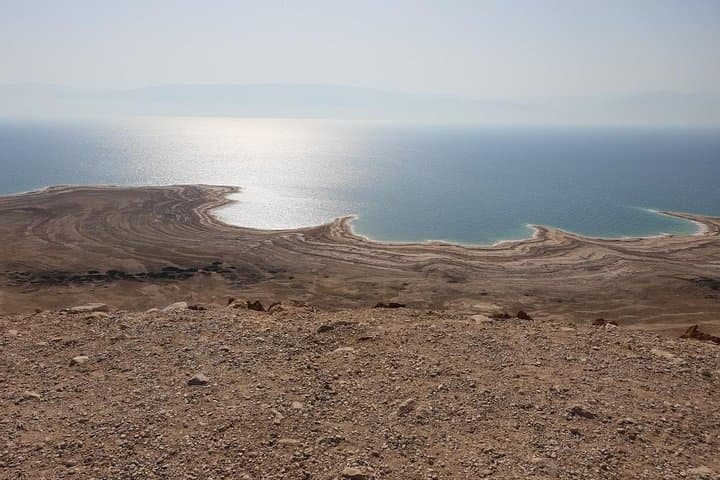
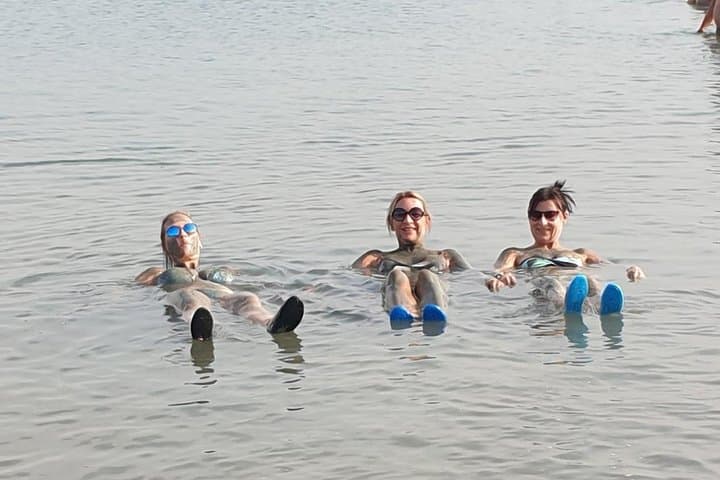
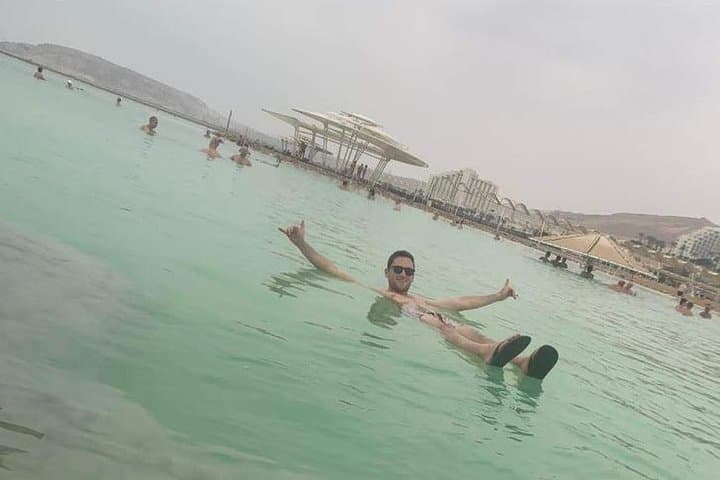
Later, Qumran’s caves and archaeological trenches trace a quieter, studious past: the Essene community and the discovery of the Dead Sea Scrolls, the oldest Hebrew scriptures found to date. The shoreline at the Dead Sea shifts between mineral flats and public beaches; its hyper-saline water refuses to let you sink, and the dense mud is rich in iron and sulfur that many visitors smear on skin for a makeshift spa.
Practicalities shape a good day here. Travel from Tel Aviv is about two hours each way; wear sturdy shoes for the rocky paths at Masada, bring 3–4 liters of water, high-SPF sun protection and a change of clothes for post-float comfort. Respect marked swimming areas—don’t shave before you float and avoid splashing in the eyes. Expect a full 10-hour day with short hikes, time at the beach, and archaeological stops; plan pick-up and drop-off points in advance. This trip balances history, geology and an unforgettable float in the world’s saltiest sea.
moderate.
10 hours.
Reasonable fitness for short hikes and stairs; able to walk uneven terrain and tolerate long vehicle transfers
Masada and Qumran each have separate entry arrangements; many day tours offer guidance but visitors often pay local site fees on arrival—confirm with your operator.
You float rather than swim—the water’s buoyancy makes traditional swimming impractical; stay in marked areas and avoid submerging your head.
Families often join these tours, but infants must sit on laps and parents should avoid exposing very young children to hyper-saline water and midday heat.
Typical travel time is about two hours each way depending on traffic; the full itinerary runs roughly 10 hours including stops.
Masada is a Roman-era fortress where Jewish rebels made a last stand in 73–74 CE; nearby Qumran is linked to the Essene community and the discovery of the Dead Sea Scrolls.
The Dead Sea is receding due to regional water diversion and mineral extraction—stick to marked paths and avoid taking salt rocks or artifacts; tour operators often emphasize low-impact visits.
Avi Mashiach operates guided outdoor trips and adventures with an emphasis on safety, stewardship, and memorable experiences.

You step out of an air-conditioned van and the Judean Desert greets you like a hot, dry drumbeat—wind lifting grit across sun-baked limestone as the broad valley opens toward the Dead Sea.
You step out of an air-conditioned van and the Judean Desert greets you like a hot, dry drumbeat—wind lifting grit across sun-baked limestone as the broad valley opens toward the Dead Sea.
The day typically begins with Masada: a climb or cable-car ride up Herod’s cliff-top fortress where rock walls and ruinous columns tell a clear story of Roman sieges and the final stand of Jewish rebels two millennia ago. Geology here is blunt and revealing—layered sediment, salt-caked beds and the scars of tectonic movement that dropped the Dead Sea basin to the lowest exposed point on earth.
Later, Qumran’s caves and archaeological trenches trace a quieter, studious past: the Essene community and the discovery of the Dead Sea Scrolls, the oldest Hebrew scriptures found to date. The shoreline at the Dead Sea shifts between mineral flats and public beaches; its hyper-saline water refuses to let you sink, and the dense mud is rich in iron and sulfur that many visitors smear on skin for a makeshift spa.
Practicalities shape a good day here. Travel from Tel Aviv is about two hours each way; wear sturdy shoes for the rocky paths at Masada, bring 3–4 liters of water, high-SPF sun protection and a change of clothes for post-float comfort. Respect marked swimming areas—don’t shave before you float and avoid splashing in the eyes. Expect a full 10-hour day with short hikes, time at the beach, and archaeological stops; plan pick-up and drop-off points in advance. This trip balances history, geology and an unforgettable float in the world’s saltiest sea.