THE ADVENTURE COLLECTIVE® · Independent discovery and booking for outdoor travel

A full-day trip from Jerusalem that pairs an ancient cliff-top fortress with floating in the Dead Sea and a visit to a desert oasis. Ideal for hikers who want history, geology and a unique saline swim in one day.
A full-day trip from Jerusalem that pairs an ancient cliff-top fortress with floating in the Dead Sea and a visit to a desert oasis. Ideal for hikers who want history, geology and a unique saline swim in one day.
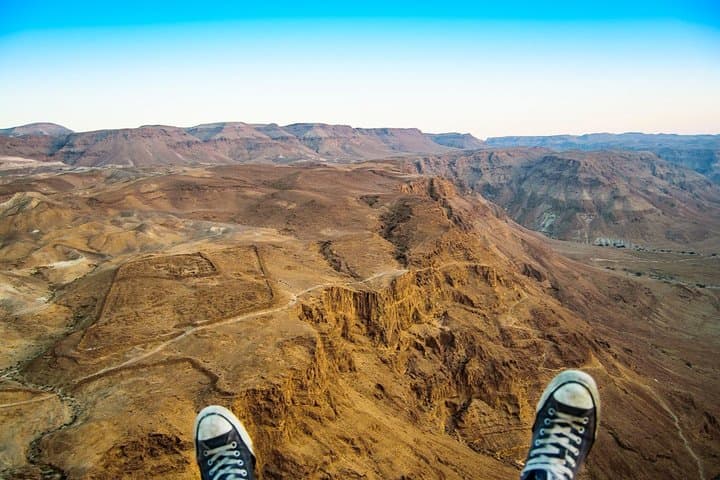
You begin before sunrise, standing at the base of Masada as the desert cools and the Dead Sea waits like a sheet of glass below. The cable car hums; the plateau rises, a flat-topped cliff that offers an immediate, wide view across salt flats and the Jordanian escarpment. Wind carves the air and the stone seems to hold the heat of millennia.
Verified experiences and guided adventures in the surrounding area.
Operated by Abraham Tlalim Tours LTD · Masada, Jerusalem District
You begin before sunrise, standing at the base of Masada as the desert cools and the Dead Sea waits like a sheet of glass below. The cable car hums; the plateau rises, a flat-topped cliff that offers an immediate, wide view across salt flats and the Jordanian escarpment. Wind carves the air and the stone seems to hold the heat of millennia.
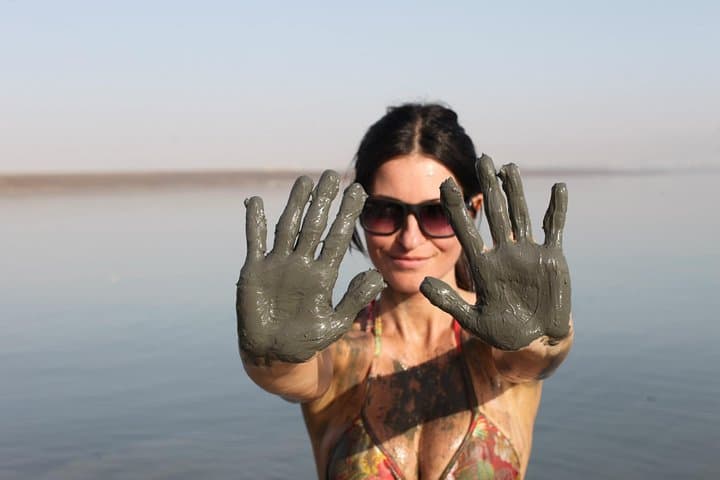
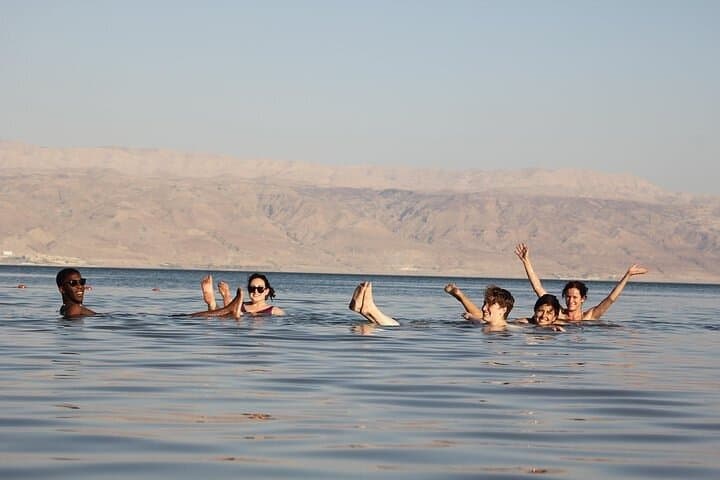
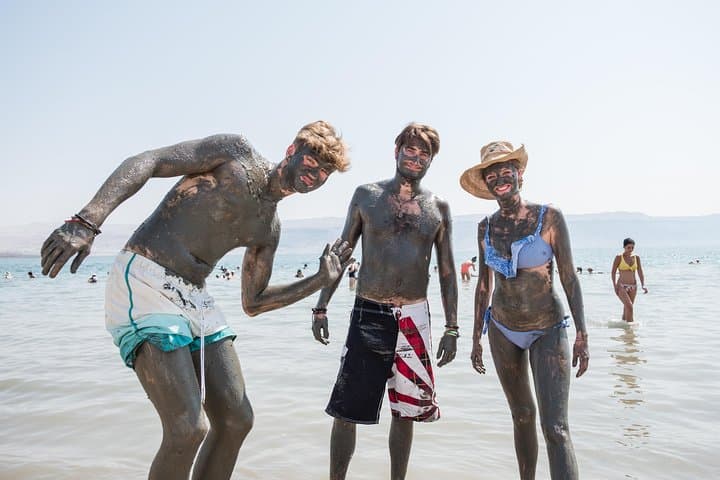
Masada is an archaeological fortress built under King Herod and is known for the 1st-century siege that ended the Jewish rebels' last stand. The cliff is a band of hard limestone and sandstone atop softer layers, creating the steep escarpments that the Snake Path winds up. The Dead Sea sits at the lowest land elevation on Earth; its hypersaline water floats you and preserves sharp mineral soils along the shore. Ein Gedi is a desert oasis of springs and waterfalls—note that parts may be closed following seasonal flooding and maintenance, and operators may substitute a nearby reserve.
Practical guidance: expect a full day (roughly 10 hours including transport). The Snake Path climb is about 2 km with roughly 450–550 m elevation gain and loose scree; the cable car is the less strenuous option. Dead Sea time is typically 30–90 minutes—use waterproof sandals, avoid shaving beforehand, and don’t submerge your face. Terrain is rocky and sun-exposed: bring 3–4 liters of water, sun protection, sturdy shoes, and plan to start early to avoid midday heat. The tour is self-guided—follow signs, respect fragile desert vegetation, and check local updates for Ein Gedi access before you go.
moderate.
10 hours.
Moderately fit: able to hike on rocky terrain, handle sustained heat and brief steep climbs.
Parts of Ein Gedi have been closed at times due to flooding or maintenance; operators may visit an alternate nearby oasis—check local updates before travel.
Yes—Dead Sea water will keep you afloat. Do not submerge your head, avoid mouth/eyes, and do not enter with open wounds; rinse off with fresh water afterwards.
The Snake Path is roughly 2 km with about 450–550 m of elevation gain; it’s strenuous in heat. The cable car is available and recommended for most visitors.
Visitor centers, restrooms and small kiosks operate at the Masada summit and Dead Sea beaches; towels are often available to rent at meeting points for a small fee.
Masada was fortified by Herod and became a stronghold during the Roman siege of 73–74 CE; its ruins include bathhouses, storerooms and Roman-style mosaics.
The Dead Sea is receding and surrounding desert habitats are fragile; stick to marked paths, avoid removing minerals, and follow local guidance to limit impact.
Abraham Tlalim Tours LTD operates guided outdoor trips and adventures with an emphasis on safety, stewardship, and memorable experiences.
You begin before sunrise, standing at the base of Masada as the desert cools and the Dead Sea waits like a sheet of glass below. The cable car hums; the plateau rises, a flat-topped cliff that offers an immediate, wide view across salt flats and the Jordanian escarpment. Wind carves the air and the stone seems to hold the heat of millennia.
You begin before sunrise, standing at the base of Masada as the desert cools and the Dead Sea waits like a sheet of glass below. The cable car hums; the plateau rises, a flat-topped cliff that offers an immediate, wide view across salt flats and the Jordanian escarpment. Wind carves the air and the stone seems to hold the heat of millennia.
Masada is an archaeological fortress built under King Herod and is known for the 1st-century siege that ended the Jewish rebels' last stand. The cliff is a band of hard limestone and sandstone atop softer layers, creating the steep escarpments that the Snake Path winds up. The Dead Sea sits at the lowest land elevation on Earth; its hypersaline water floats you and preserves sharp mineral soils along the shore. Ein Gedi is a desert oasis of springs and waterfalls—note that parts may be closed following seasonal flooding and maintenance, and operators may substitute a nearby reserve.
Practical guidance: expect a full day (roughly 10 hours including transport). The Snake Path climb is about 2 km with roughly 450–550 m elevation gain and loose scree; the cable car is the less strenuous option. Dead Sea time is typically 30–90 minutes—use waterproof sandals, avoid shaving beforehand, and don’t submerge your face. Terrain is rocky and sun-exposed: bring 3–4 liters of water, sun protection, sturdy shoes, and plan to start early to avoid midday heat. The tour is self-guided—follow signs, respect fragile desert vegetation, and check local updates for Ein Gedi access before you go.