THE ADVENTURE COLLECTIVE® · Independent discovery and booking for outdoor travel

Stand on Masada’s wind-swept ramparts, learn the site’s dramatic history, and end the day buoyed by the Dead Sea’s dense waters. This full-day private tour from Jerusalem pairs archaeology with a uniquely saline swim.
Stand on Masada’s wind-swept ramparts, learn the site’s dramatic history, and end the day buoyed by the Dead Sea’s dense waters. This full-day private tour from Jerusalem pairs archaeology with a uniquely saline swim.
You leave Jerusalem before dawn and the drive through the Harei Yehuda hills eases you out of the city. The landscape thins to ochre and salt flats; Masada’s flat-topped fortress appears like an island above the Dead Sea, windward and stubborn.
Verified experiences and guided adventures in the surrounding area.
Operated by Opatrip.com Israel · Masada, Southern District
You leave Jerusalem before dawn and the drive through the Harei Yehuda hills eases you out of the city. The landscape thins to ochre and salt flats; Masada’s flat-topped fortress appears like an island above the Dead Sea, windward and stubborn.
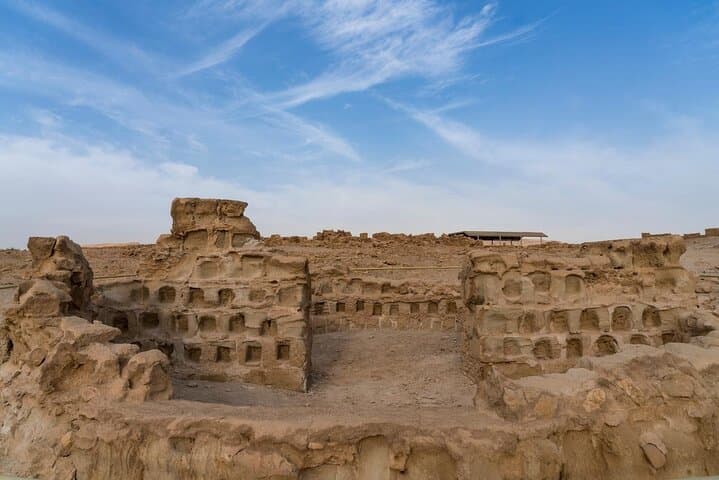
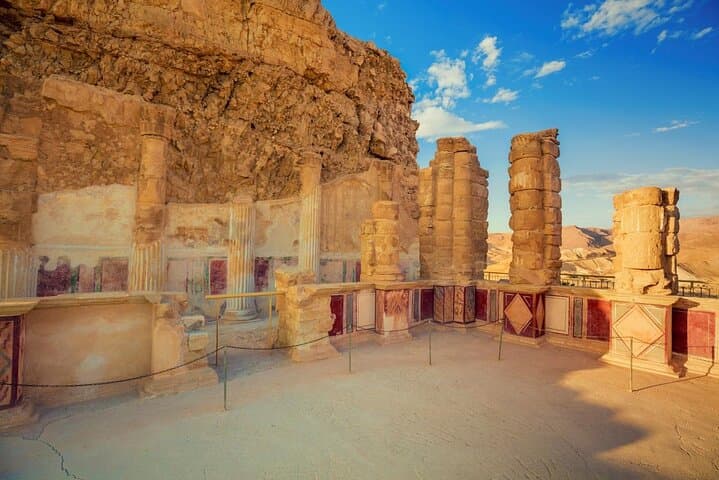
Masada is best understood as both ruin and story: King Herod’s luxury palaces and innovative water cisterns sit beside the cliff-top Roman siege ramp where, in 73–74 CE, defenders made their final stand. The geology is stark—Judaean sandstone giving way to the hypersaline Dead Sea basin, the earth dropping to the lowest exposed land on the planet.
Local culture blends modern Israeli archeology with Bedouin-led desert knowledge; guides often point out ancient waterworks and explain how masons moved stones without modern cranes. The Dead Sea itself has a tactile drama—dense water that lifts you, black mineral mud that clings, and salt crystals that etch your skin.
Practical points: tours typically use the Masada cable car for ascent, reducing strenuous climbing and saving time for panoramic views. Plan for sun and intense reflection—bring layered clothing, broad-spectrum sunscreen, and a reusable water bottle; the sun and evaporation will dehydrate you faster than you expect. Don’t shave before floating and rinse thoroughly after. Timing matters: early-morning or late-afternoon visits avoid midday heat and maximize light for photos. The tour’s transport and guide mean logistics are handled, but wear sturdy shoes for uneven ancient paths, and allot time to change and rinse after the Dead Sea swim. Respect park rules—stay on trails and pack out trash to protect this fragile desert environment.
easy.
9 hours.
Suitable for most fitness levels; minimal strenuous activity if using the cable car but requires standing and short walks on uneven surfaces.
The private tour runs roughly 9 hours door-to-door, including transport, site visits, and Dead Sea time.
Yes, the itinerary includes time at the Dead Sea; floating is safe for most people, but avoid submerging your head and consult a doctor if you have open wounds or heart conditions.
There is a well-known Snake Path for hiking up; the tour typically uses the cable car to save time and accommodate all fitness levels.
The listing includes Masada National Park cable car access and park admission as noted in the tour inclusions, but confirm with the operator at booking for any changes.
Masada was fortified by Herod and became the site of a famous Jewish holdout against Roman forces in 73–74 CE, its ruins preserving both palaces and siege works.
The Dead Sea region is environmentally sensitive—stay on designated paths, avoid removing salt or minerals, and minimize plastic waste to protect scarce desert ecosystems.
Opatrip.com Israel operates guided outdoor trips and adventures with an emphasis on safety, stewardship, and memorable experiences.

You leave Jerusalem before dawn and the drive through the Harei Yehuda hills eases you out of the city. The landscape thins to ochre and salt flats; Masada’s flat-topped fortress appears like an island above the Dead Sea, windward and stubborn.
You leave Jerusalem before dawn and the drive through the Harei Yehuda hills eases you out of the city. The landscape thins to ochre and salt flats; Masada’s flat-topped fortress appears like an island above the Dead Sea, windward and stubborn.
Masada is best understood as both ruin and story: King Herod’s luxury palaces and innovative water cisterns sit beside the cliff-top Roman siege ramp where, in 73–74 CE, defenders made their final stand. The geology is stark—Judaean sandstone giving way to the hypersaline Dead Sea basin, the earth dropping to the lowest exposed land on the planet.
Local culture blends modern Israeli archeology with Bedouin-led desert knowledge; guides often point out ancient waterworks and explain how masons moved stones without modern cranes. The Dead Sea itself has a tactile drama—dense water that lifts you, black mineral mud that clings, and salt crystals that etch your skin.
Practical points: tours typically use the Masada cable car for ascent, reducing strenuous climbing and saving time for panoramic views. Plan for sun and intense reflection—bring layered clothing, broad-spectrum sunscreen, and a reusable water bottle; the sun and evaporation will dehydrate you faster than you expect. Don’t shave before floating and rinse thoroughly after. Timing matters: early-morning or late-afternoon visits avoid midday heat and maximize light for photos. The tour’s transport and guide mean logistics are handled, but wear sturdy shoes for uneven ancient paths, and allot time to change and rinse after the Dead Sea swim. Respect park rules—stay on trails and pack out trash to protect this fragile desert environment.