THE ADVENTURE COLLECTIVE® · Independent discovery and booking for outdoor travel

Ride the Masada cable car at sunrise, trace Roman-era walls on the mountaintop fortress and end the day floating in the hyper-saline Dead Sea. This private tour blends history, simple hikes and desert geology with flexible pickup from Jerusalem or Tel Aviv.
Ride the Masada cable car at sunrise, trace Roman-era walls on the mountaintop fortress and end the day floating in the hyper-saline Dead Sea. This private tour blends history, simple hikes and desert geology with flexible pickup from Jerusalem or Tel Aviv.
Sunlight strips the Judean cliffs into clean edges as the bus climbs toward Masada; wind scours the desert below and the Dead Sea glints like a wide, still mirror daring you to come close. The cable car rises, the fortress stones reveal terraces and bath complexes carved into rock, and you stand where history met the horizon.
Verified experiences and guided adventures in the surrounding area.
Operated by Ron Lev Israel Private Customized Tours · Masada, Southern District
Sunlight strips the Judean cliffs into clean edges as the bus climbs toward Masada; wind scours the desert below and the Dead Sea glints like a wide, still mirror daring you to come close. The cable car rises, the fortress stones reveal terraces and bath complexes carved into rock, and you stand where history met the horizon.
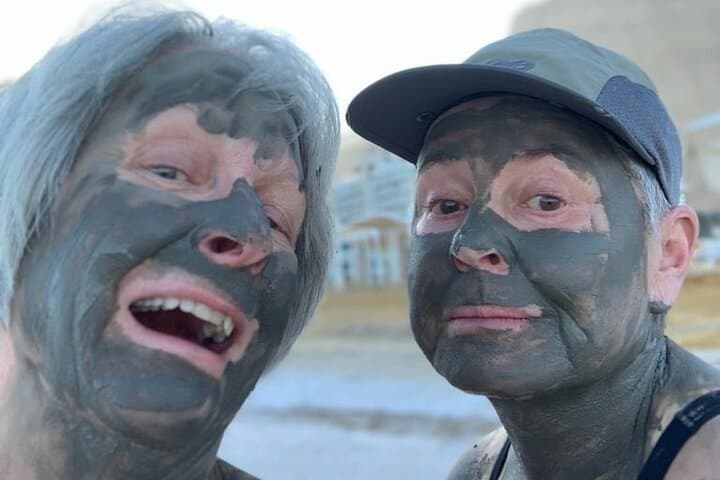
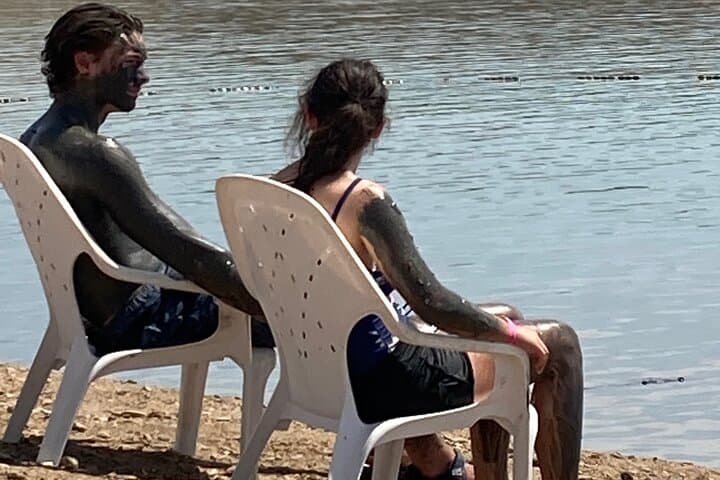
Masada is Herod’s fortified plateau and the site of the Zealots’ last hold against Rome—its walls and storerooms speak to strategic engineering while the surrounding escarpments record millions of years of tectonic movement along the Rift Valley. The Dead Sea, the Earth’s lowest exposed point, is a hypersaline basin where buoyant water and mineral-rich mud have attracted visitors since antiquity.
Local culture is sparse but resilient: small desert communities and the Ein Gedi oasis mark long-standing human adaptation to arid conditions. Time permitting, a short hike in Ein Gedi brings you to spring-fed pools and waterfalls where rock hyraxes sun themselves on ledges.
Practical guidance: plan for strong sun and heat—start early or late afternoon to avoid peak temperatures; the day can range from a short 4-hour trip to a full 9-hour private itinerary depending on stops. Masada’s cable car minimizes climbing, but trails around Ein Gedi are rough and require sturdy shoes. Bring ample water, reef-safe sunscreen, a swimsuit and towel for floating, and a light wind layer for the plateau. Expect basic facilities at Dead Sea resorts; admission to Masada and park fees are usually paid on-site. With simple preparation, the day balances living history, stark geology, and the odd, calming refusal of the Dead Sea to let you sink.
moderate.
4–9 hours.
Should have a moderate level of fitness for short hikes and stair sections; cable car reduces strenuous climbing but expect some walking on uneven terrain.
No—admission to Masada National Park and any park fees are typically paid on-site unless explicitly included by the operator.
Yes, but water temperatures and wind can vary; avoid getting water in your eyes and rinse off with fresh water after swimming to remove salt.
The cable car gives access to the Masada summit platform for some mobility needs, but many areas and nearby trails are uneven and not fully wheelchair accessible—check with the operator about vehicle and site accessibility.
Yes—private tours commonly offer flexible pickup points, with options listed such as Jaffa Gate (Jerusalem) and the Hilton Tel Aviv lobby; confirm your pickup when booking.
Masada was fortified by King Herod and later became the last holdout of Jewish rebels against Rome in 73–74 CE; the Dead Sea region has been a trade and healing destination since antiquity.
The Dead Sea is receding due to regional water diversion and mineral extraction—visit responsibly by using resort facilities, avoiding freshwater rinses into the sea, and following local guidance to protect fragile shorelines.
Ron Lev Israel Private Customized Tours operates guided outdoor trips and adventures with an emphasis on safety, stewardship, and memorable experiences.


Sunlight strips the Judean cliffs into clean edges as the bus climbs toward Masada; wind scours the desert below and the Dead Sea glints like a wide, still mirror daring you to come close. The cable car rises, the fortress stones reveal terraces and bath complexes carved into rock, and you stand where history met the horizon.
Sunlight strips the Judean cliffs into clean edges as the bus climbs toward Masada; wind scours the desert below and the Dead Sea glints like a wide, still mirror daring you to come close. The cable car rises, the fortress stones reveal terraces and bath complexes carved into rock, and you stand where history met the horizon.
Masada is Herod’s fortified plateau and the site of the Zealots’ last hold against Rome—its walls and storerooms speak to strategic engineering while the surrounding escarpments record millions of years of tectonic movement along the Rift Valley. The Dead Sea, the Earth’s lowest exposed point, is a hypersaline basin where buoyant water and mineral-rich mud have attracted visitors since antiquity.
Local culture is sparse but resilient: small desert communities and the Ein Gedi oasis mark long-standing human adaptation to arid conditions. Time permitting, a short hike in Ein Gedi brings you to spring-fed pools and waterfalls where rock hyraxes sun themselves on ledges.
Practical guidance: plan for strong sun and heat—start early or late afternoon to avoid peak temperatures; the day can range from a short 4-hour trip to a full 9-hour private itinerary depending on stops. Masada’s cable car minimizes climbing, but trails around Ein Gedi are rough and require sturdy shoes. Bring ample water, reef-safe sunscreen, a swimsuit and towel for floating, and a light wind layer for the plateau. Expect basic facilities at Dead Sea resorts; admission to Masada and park fees are usually paid on-site. With simple preparation, the day balances living history, stark geology, and the odd, calming refusal of the Dead Sea to let you sink.