THE ADVENTURE COLLECTIVE® · Independent discovery and booking for outdoor travel

Climb Masada’s storied ramparts and float in the salt‑heavy Dead Sea on a private day tour from Jerusalem or Tel Aviv. This full‑day experience combines archaeology, desert geology, and a therapeutic shoreline stop — ideal for history buffs and open‑air spa seekers.
Climb Masada’s storied ramparts and float in the salt‑heavy Dead Sea on a private day tour from Jerusalem or Tel Aviv. This full‑day experience combines archaeology, desert geology, and a therapeutic shoreline stop — ideal for history buffs and open‑air spa seekers.
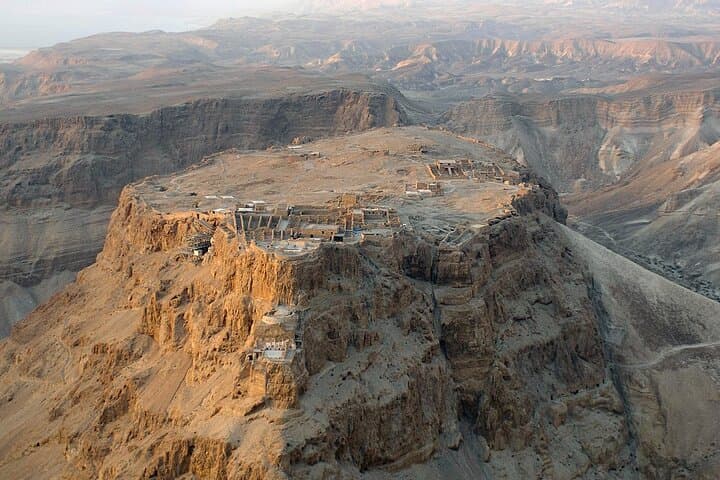
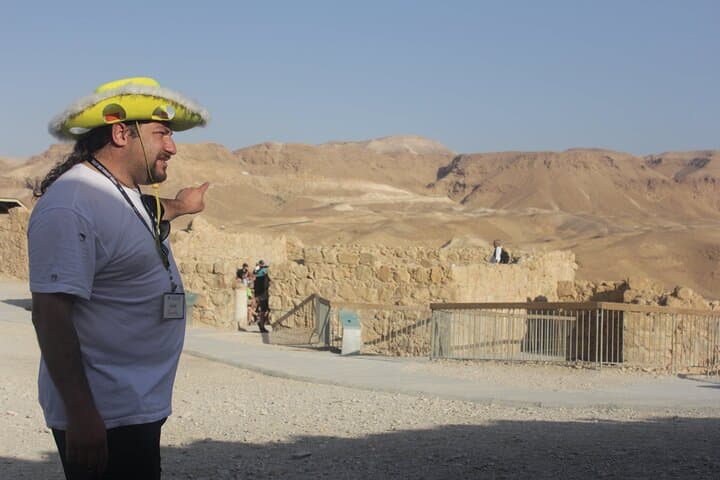
You step out of the air‑conditioned vehicle and the desert greets you with a flat, dry voice — the sun pressing down, salts glinting at the horizon. Masada rises ahead: a pale plateau of stone that seems to hold its own against time. The guide leads you through ruined colonnades, bath complexes and storehouses that still speak of engineering and desperation.
Verified experiences and guided adventures in the surrounding area.
Operated by Israel With Fun - Daniel Sigalov · Masada, Southern District
You step out of the air‑conditioned vehicle and the desert greets you with a flat, dry voice — the sun pressing down, salts glinting at the horizon. Masada rises ahead: a pale plateau of stone that seems to hold its own against time. The guide leads you through ruined colonnades, bath complexes and storehouses that still speak of engineering and desperation.
Masada’s story — the Roman siege and the defenders’ final stand — is carved into its walls and into Jewish history. Geologically, the site sits on a hard limestone spur above the Dead Sea basin; the sea itself is the lowest exposed point on Earth, an inland basin saturated with salts and minerals that alter buoyancy and skin alike.
Culture here mixes Biblical history, Bedouin livelihoods and modern Israeli tourism; expect local narratives about water politics, ancient trade routes and spa traditions that use mineral mud for therapy.
Practical guidance: this is a long day (about 9–11 hours). Bring sun protection, layered clothing for the cool morning at Masada and warmer midday at the shore, and sturdy walking shoes for uneven ruins and the short climb to vantage points. Plan for cable‑car or a morning Snake Path hike if you want sunrise light; the Dead Sea stop is shallow and calm — floating is simple but avoid shaving beforehand and don’t submerge your head.
Timings: allow ~3 hours at Masada, ~2 hours at the Dead Sea plus driving. Hydrate often; the desert doesn’t ask you politely — it just takes what it needs.
moderate.
9–11 hours.
Suitable for most travelers with basic mobility; expect some walking on uneven terrain and a long day in the sun.
Admission and the cable car fee are typically not included; plan to pay at the site (cash or card).
There’s no traditional swimming due to high salinity — visitors float; avoid submerging your head and rinse thoroughly after.
This private tour offers pickup from locations across Jerusalem, Tel Aviv, Ein Bokek, Ben Gurion Airport and Ashdod (port/hotels).
Yes — infant seats are available and the itinerary is accessible for families, but supervise children at the shoreline due to salt irritation risk.
Masada was fortified by King Herod and later became the site of a famous siege (73–74 CE) that shaped modern memory; the Dead Sea basin has been mined for minerals and used as a therapeutic destination for millennia.
Water levels at the Dead Sea are dropping due to regional water use and evaporation; stay on marked paths, avoid removing minerals, and use local services that follow sustainable practices.
Israel With Fun - Daniel Sigalov operates guided outdoor trips and adventures with an emphasis on safety, stewardship, and memorable experiences.
You step out of the air‑conditioned vehicle and the desert greets you with a flat, dry voice — the sun pressing down, salts glinting at the horizon. Masada rises ahead: a pale plateau of stone that seems to hold its own against time. The guide leads you through ruined colonnades, bath complexes and storehouses that still speak of engineering and desperation.
You step out of the air‑conditioned vehicle and the desert greets you with a flat, dry voice — the sun pressing down, salts glinting at the horizon. Masada rises ahead: a pale plateau of stone that seems to hold its own against time. The guide leads you through ruined colonnades, bath complexes and storehouses that still speak of engineering and desperation.
Masada’s story — the Roman siege and the defenders’ final stand — is carved into its walls and into Jewish history. Geologically, the site sits on a hard limestone spur above the Dead Sea basin; the sea itself is the lowest exposed point on Earth, an inland basin saturated with salts and minerals that alter buoyancy and skin alike.
Culture here mixes Biblical history, Bedouin livelihoods and modern Israeli tourism; expect local narratives about water politics, ancient trade routes and spa traditions that use mineral mud for therapy.
Practical guidance: this is a long day (about 9–11 hours). Bring sun protection, layered clothing for the cool morning at Masada and warmer midday at the shore, and sturdy walking shoes for uneven ruins and the short climb to vantage points. Plan for cable‑car or a morning Snake Path hike if you want sunrise light; the Dead Sea stop is shallow and calm — floating is simple but avoid shaving beforehand and don’t submerge your head.
Timings: allow ~3 hours at Masada, ~2 hours at the Dead Sea plus driving. Hydrate often; the desert doesn’t ask you politely — it just takes what it needs.