THE ADVENTURE COLLECTIVE® · Independent discovery and booking for outdoor travel

Ride through the Judean Desert to Masada’s plateau, explore Herod’s ruins by cable car, and end the day floating in the Dead Sea. This private day trip from Tel Aviv pairs history, geology, and a unique salt-sea experience.
Ride through the Judean Desert to Masada’s plateau, explore Herod’s ruins by cable car, and end the day floating in the Dead Sea. This private day trip from Tel Aviv pairs history, geology, and a unique salt-sea experience.
You step out of an air-conditioned van and the Judean Desert greets you with a brightness that seems to push at your eyelids. Wind-carved slopes drop away to the Dead Sea’s glittering surface; the flat-topped massif of Masada rises ahead, a stone crown against a hard blue sky.
Verified experiences and guided adventures in the surrounding area.
Operated by Bein Harim Ltd · Masada, Southern District
You step out of an air-conditioned van and the Judean Desert greets you with a brightness that seems to push at your eyelids. Wind-carved slopes drop away to the Dead Sea’s glittering surface; the flat-topped massif of Masada rises ahead, a stone crown against a hard blue sky.
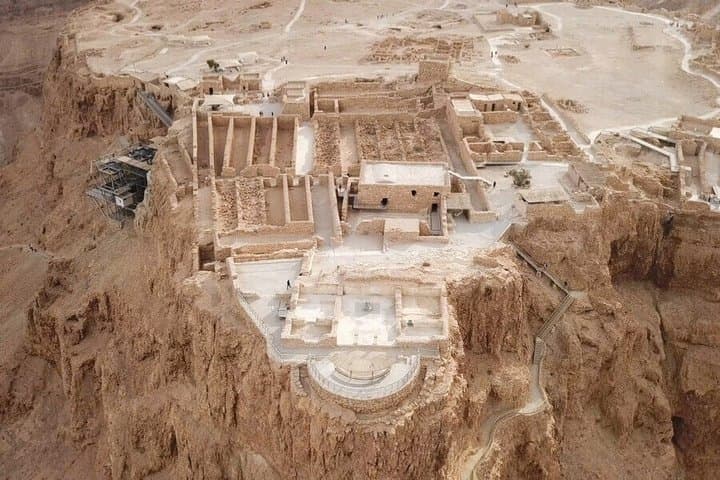
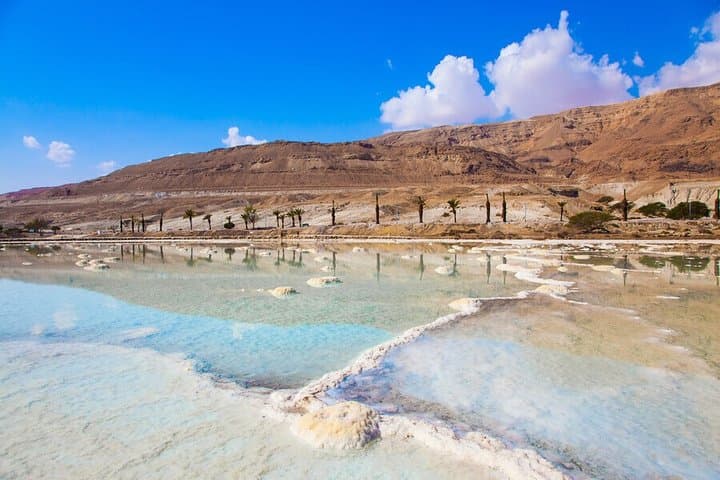
Masada holds a gripping history — Herod’s desert palace and the final stand of Jewish rebels in 73–74 CE — its terraces and casemate walls clinging to an ancient volcanic ridge. Nearby, Qumran’s caves are where the Dead Sea Scrolls emerged, altering our understanding of the region’s texts. Geology here is visceral: salt-encrusted shorelines, steep escarpments of the Great Rift, and mineral-streaked springs at Ein Gedi that support palms and waterfalls against the arid backdrop.
Local culture mixes modern Israeli tourism with Bedouin presence and longstanding conservation concerns; hospitality is direct, practical, and often flavored with strong coffee and salted clay masks.
Practical guidance: expect a full 10-hour day when departing from Tel Aviv, with hotel pickup and drop-off included. Ascend Masada via cable car to save time and energy; wear sturdy shoes for uneven ruins, and bring sun protection and ample water — shade is scarce. Plan to change at the Dead Sea for a brief float and mud application; don’t shave beforehand and protect cuts. Respect signage at archaeological sites, and leave mineral-rich mud on-site. Midweek visits reduce crowds. This private format allows pacing to match your interests — ask your guide about the synagogue remains, Herodian engineering, and a quiet Ein Gedi overlook for photos.
easy.
10 hours.
Suitable for most fitness levels; involves short walks on uneven terrain and standing at exhibits.
Entrance to Masada National Park and Dead Sea sites may require separate fees; confirm with your provider whether admissions are included when booking.
Yes — the tour is private and often customizable; contact the supplier to request alternate pickup points and times.
Floating is generally safe, but avoid swallowing water; pregnant travelers and young children should consult a physician and avoid submerging the face.
Don’t bring electronic devices into the water, avoid shaving beforehand, and keep open wounds covered — salt water can sting intensely.
Masada was a royal compound built by King Herod and later became the site of a famous Jewish resistance; Qumran’s caves nearby yielded the Dead Sea Scrolls in the mid-20th century.
The Dead Sea is receding rapidly due to regional water diversion; visitors are encouraged to minimize plastic use, stay on marked paths at archaeological sites, and support local conservation initiatives.
Bein Harim Ltd operates guided outdoor trips and adventures with an emphasis on safety, stewardship, and memorable experiences.
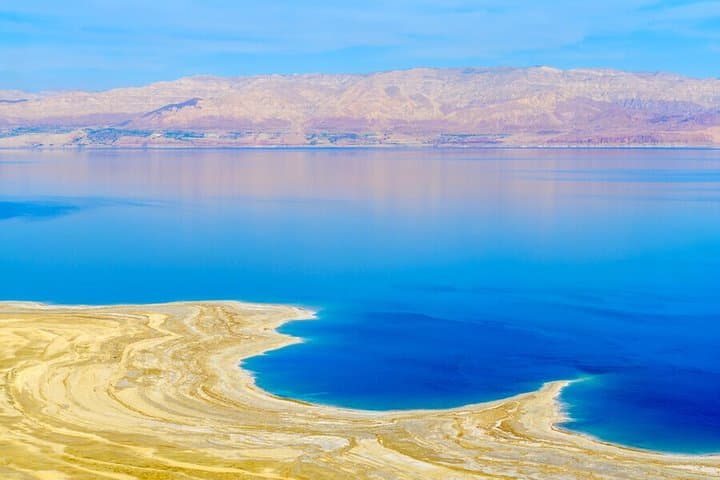
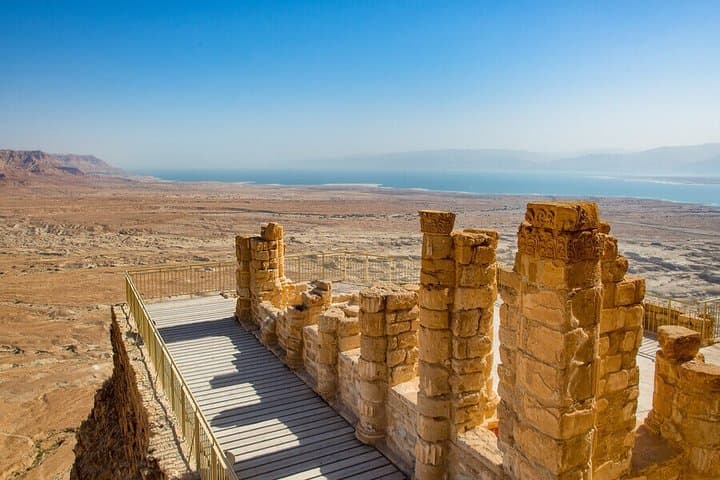
You step out of an air-conditioned van and the Judean Desert greets you with a brightness that seems to push at your eyelids. Wind-carved slopes drop away to the Dead Sea’s glittering surface; the flat-topped massif of Masada rises ahead, a stone crown against a hard blue sky.
You step out of an air-conditioned van and the Judean Desert greets you with a brightness that seems to push at your eyelids. Wind-carved slopes drop away to the Dead Sea’s glittering surface; the flat-topped massif of Masada rises ahead, a stone crown against a hard blue sky.
Masada holds a gripping history — Herod’s desert palace and the final stand of Jewish rebels in 73–74 CE — its terraces and casemate walls clinging to an ancient volcanic ridge. Nearby, Qumran’s caves are where the Dead Sea Scrolls emerged, altering our understanding of the region’s texts. Geology here is visceral: salt-encrusted shorelines, steep escarpments of the Great Rift, and mineral-streaked springs at Ein Gedi that support palms and waterfalls against the arid backdrop.
Local culture mixes modern Israeli tourism with Bedouin presence and longstanding conservation concerns; hospitality is direct, practical, and often flavored with strong coffee and salted clay masks.
Practical guidance: expect a full 10-hour day when departing from Tel Aviv, with hotel pickup and drop-off included. Ascend Masada via cable car to save time and energy; wear sturdy shoes for uneven ruins, and bring sun protection and ample water — shade is scarce. Plan to change at the Dead Sea for a brief float and mud application; don’t shave beforehand and protect cuts. Respect signage at archaeological sites, and leave mineral-rich mud on-site. Midweek visits reduce crowds. This private format allows pacing to match your interests — ask your guide about the synagogue remains, Herodian engineering, and a quiet Ein Gedi overlook for photos.