THE ADVENTURE COLLECTIVE® · Independent discovery and booking for outdoor travel

Ascend Masada’s fortress by cable car, trace the ruins of Herod’s palace, then wash the desert clean with a float in the Dead Sea. This private day trip from Jerusalem blends striking geology, deep history and easy outdoor time in about six hours.
Ascend Masada’s fortress by cable car, trace the ruins of Herod’s palace, then wash the desert clean with a float in the Dead Sea. This private day trip from Jerusalem blends striking geology, deep history and easy outdoor time in about six hours.
The cable car hums and the air thins as you rise from the Judean Desert; below, the Dead Sea catches the sun like a slow, briny mirror. At Masada the plateau stands stubborn against the wide valley, its stone walls and terraces cut into the cliff like a human argument with the landscape. The wind at the summit pushes you toward the ruins and the view that explains why Herod built a palace here and why the story of the Jewish rebels endures.
Verified experiences and guided adventures in the surrounding area.
Operated by Bein Harim Ltd · Masada, Southern District
The cable car hums and the air thins as you rise from the Judean Desert; below, the Dead Sea catches the sun like a slow, briny mirror. At Masada the plateau stands stubborn against the wide valley, its stone walls and terraces cut into the cliff like a human argument with the landscape. The wind at the summit pushes you toward the ruins and the view that explains why Herod built a palace here and why the story of the Jewish rebels endures.
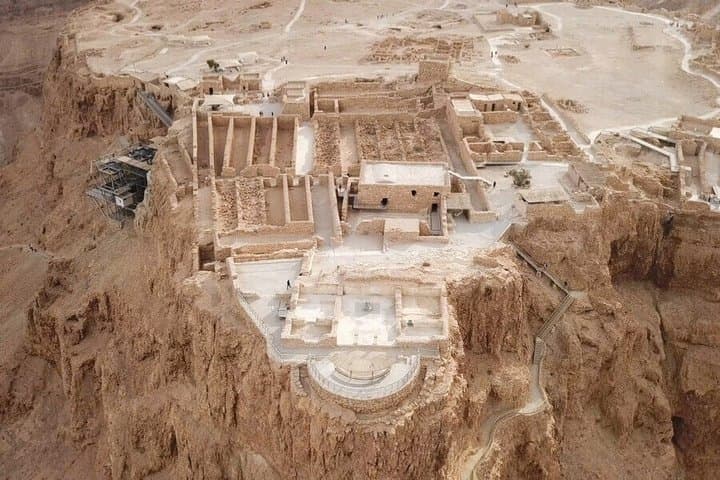
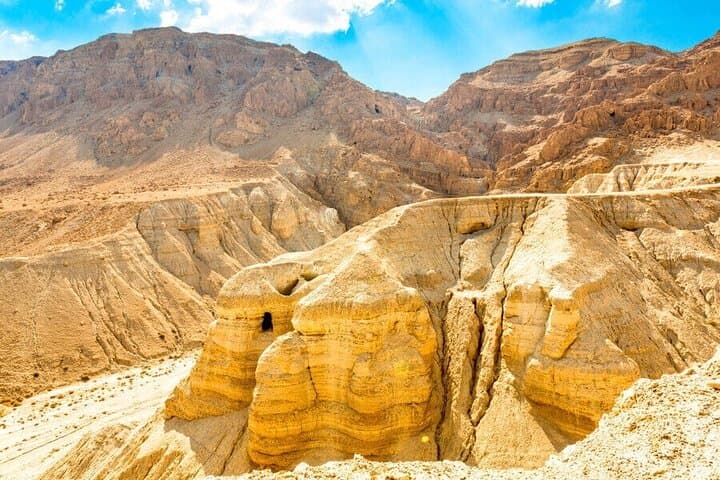
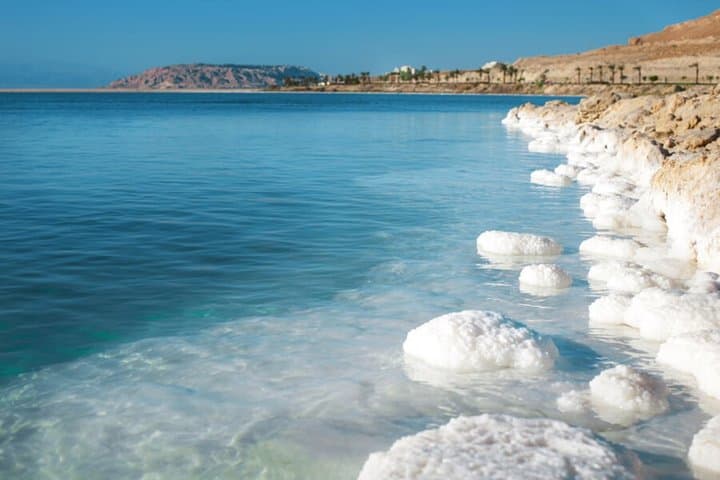
Masada is part archaeological site, part stage for first‑century history: Herodian architecture, Roman siege works and the grim legend of the zealots. Nearby Ein Gedi offers a sudden ribbon of water and palm trees where springs tumble down shaded canyons. The Qumran caves, where the Dead Sea Scrolls were found, add a layer of scholarly intrigue before you reach the mineral‑rich shores of the Dead Sea — the lowest spot on Earth, where buoyancy is a constant companion and the mud promises a deep, salty polish.
Practically: most operators run a 6‑hour private loop from Jerusalem with hotel pickup. Expect a cable‑car ascent at Masada, short walks over uneven stone, and a long, easy float in hypersaline water at the Dead Sea. Bring swimwear, towel, plenty of water, and high‑SPF sun protection; avoid shaving before immersion and take off jewelry to prevent corrosion. Weekends and holidays can affect service and pricing; if you want a different start time ask to customize the private pickup. This trip combines history, geology and simple, elemental pleasure — salt on the skin, wind at your back, and cliffs that keep their secrets stubbornly.
moderate.
6 hours.
Light to moderate fitness; able to manage short hikes on uneven terrain and stair sections at the ruins.
Admission fees are often not included; check your booking details and plan to purchase park or beach access on site if required.
The high salt concentration can irritate open cuts or recently shaved skin; rinse with fresh water afterward and avoid prolonged eye contact.
Masada has a cable car and accessible paths at the summit, but some archaeological areas have steps and uneven surfaces—check specifics with the operator for wheelchair needs.
Hot summer afternoons can be intense; plan earlier departures. Check for holiday surcharges or altered pickup times on Saturdays and public holidays.
Masada was fortified by King Herod and later became a symbol of Jewish resistance after the First Jewish–Roman War; nearby Qumran is where the Dead Sea Scrolls were discovered mid‑20th century.
The Dead Sea is receding due to upstream water diversion and mineral extraction; stick to marked trails, avoid freshwater contamination, and support local conservation initiatives when possible.
Bein Harim Ltd operates guided outdoor trips and adventures with an emphasis on safety, stewardship, and memorable experiences.
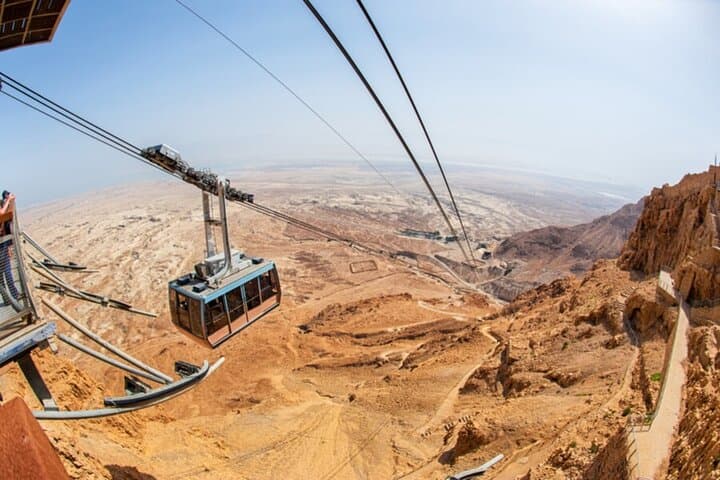
The cable car hums and the air thins as you rise from the Judean Desert; below, the Dead Sea catches the sun like a slow, briny mirror. At Masada the plateau stands stubborn against the wide valley, its stone walls and terraces cut into the cliff like a human argument with the landscape. The wind at the summit pushes you toward the ruins and the view that explains why Herod built a palace here and why the story of the Jewish rebels endures.
The cable car hums and the air thins as you rise from the Judean Desert; below, the Dead Sea catches the sun like a slow, briny mirror. At Masada the plateau stands stubborn against the wide valley, its stone walls and terraces cut into the cliff like a human argument with the landscape. The wind at the summit pushes you toward the ruins and the view that explains why Herod built a palace here and why the story of the Jewish rebels endures.
Masada is part archaeological site, part stage for first‑century history: Herodian architecture, Roman siege works and the grim legend of the zealots. Nearby Ein Gedi offers a sudden ribbon of water and palm trees where springs tumble down shaded canyons. The Qumran caves, where the Dead Sea Scrolls were found, add a layer of scholarly intrigue before you reach the mineral‑rich shores of the Dead Sea — the lowest spot on Earth, where buoyancy is a constant companion and the mud promises a deep, salty polish.
Practically: most operators run a 6‑hour private loop from Jerusalem with hotel pickup. Expect a cable‑car ascent at Masada, short walks over uneven stone, and a long, easy float in hypersaline water at the Dead Sea. Bring swimwear, towel, plenty of water, and high‑SPF sun protection; avoid shaving before immersion and take off jewelry to prevent corrosion. Weekends and holidays can affect service and pricing; if you want a different start time ask to customize the private pickup. This trip combines history, geology and simple, elemental pleasure — salt on the skin, wind at your back, and cliffs that keep their secrets stubbornly.